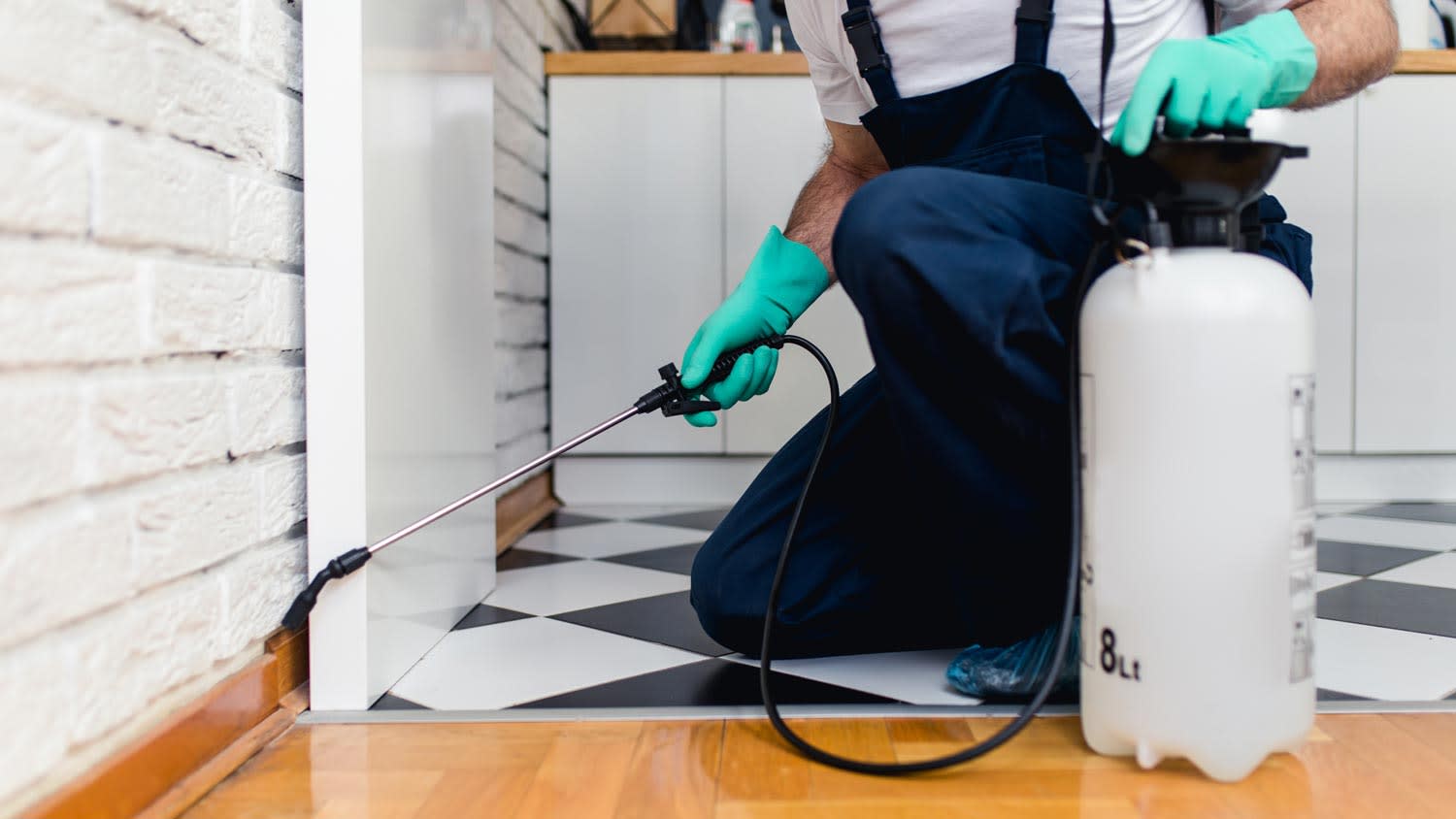
"Very punctual and professional. Got the job done in no time flat with good results. No more bugs and I couldn't believe how much stuff he got out of our dryer ducts!"
"United Air Temp was able to procure a replacement furnace controller board in a couple of days and Zachary was out within 4 days of the initial visit. The furnace now works very well."
Some believe that essential oils, like peppermint, may work the way that roach-repellent foods do: the roaches do not like the smell that the oil is producing and so they stay away. While essential oils can deter roaches from surfaces, they do not fight an infestation. Use essential oils as a prevention method, not a removal method.
Contact pest control if you have a stink bug infestation that you need to eliminate quickly. It’s difficult to kill them without crushing them and releasing their signature odor, or without using a toxic insecticide. Some homeowners have had luck with peppermint oil sprays or soapy water traps. But a professional exterminator will have the best advice and course of action.
If you’re dealing with a bee colony on your property, you might wonder if they’ll leave naturally over time. The answer depends on their circumstances. Bees often relocate if the hive becomes overcrowded, food is scarce, or they face a threat. With that said, if a hive’s location is safe, warm, and with plentiful food sources, they are unlikely to relocate on their own, and the hive may persist for many generations.
Moisture issues caused by leaky pipes, improper drainage, and poor airflow create environments that are ideal for termites to thrive in. Dampwood termites prefer water-damaged wood while subterranean termites require moist environments to survive. Climate can have an impact as well, with termites preferring to live in warm and humid climates with mild temperatures year-round. However, termites are present in every state in the United States, with the exception of Alaska.
Across most of the United States, the fall season sees rats at their prime activity levels. As temperatures drop, rats become more active, spurred by the weather shift to seek shelter as winter approaches. During this time, their curiosity and energy peak, driving them to explore what your home and its surroundings might offer.
The Towner, ND homeowners’ guide to pest control services
From average costs to expert advice, get all the answers you need to get your job done.