"AHS is ok. They cover repairs of most everything under the roof of your house. The companies that contract with them are not always the best. You call AHS with the issue, they send a fax to the repair company and give you the contact info. If they don't contact you within 24 hours, you call them. Sometimes they answer, sometimes they don't. When they arrive (usually three days or so later), they service the item. if it has issues within the 90 days, you call AHS again, they are sent out with no charge. If the serviceman decides the unit is unrepairable, AHS will allow you to choose a replacement from their listing (usually not as good as what you have) they will install and remove your old item, or give you wholesale amount to buy and install your own. Prices vary on what you want covered and what you want the copay to be, plus where you live. For me it is 49.99 per month with a 75.00 time of service order. You can have more than one item serviced at the same time under the same fee. If you have a SEAR product the repair guys are great. Not that wild about the other ones they send out. But it is a big savings compared to calling someone on your own. The cost of service is only the 75.00 copay."

Install Above Ground Pools questions, answered by experts
You should add chlorine within 48 hours of filling your pool with water. In just 24 hours, bacteria and algae will begin to grow and contaminate your water. After that point, you’ll need to shock the water with high levels of chlorine, and you’ll likely need to do additional vacuuming to get the pool clean. It’s important to check your chlorine levels two to three times a week and add more chlorine as needed to maintain a healthy level.
Generally speaking, most municipalities require you to get a permit when you build a pool. Whether or not you need a permit to install a plunge pool will depend on your local laws. It’s always better to check with your HOA and town clerk before digging for a new pool. Otherwise, violations could result in hefty fines.
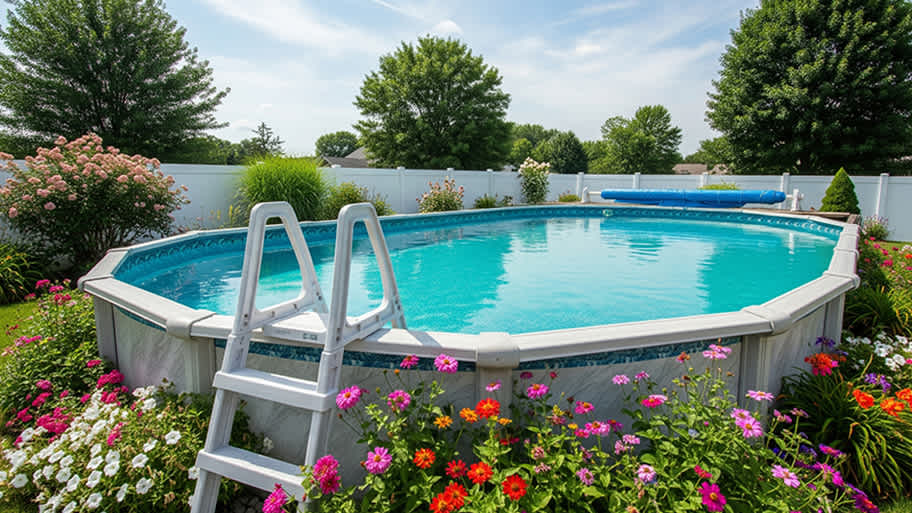
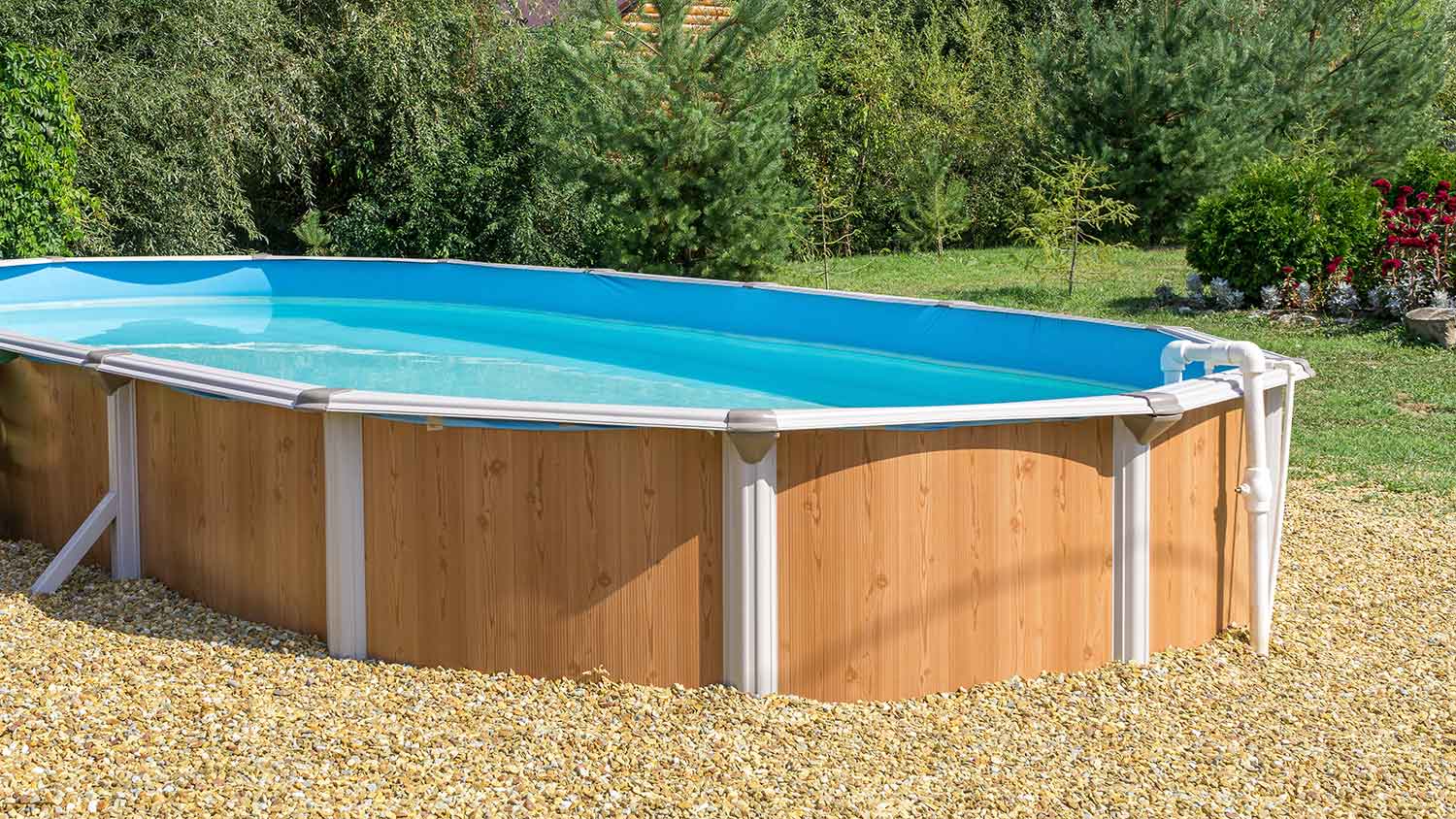
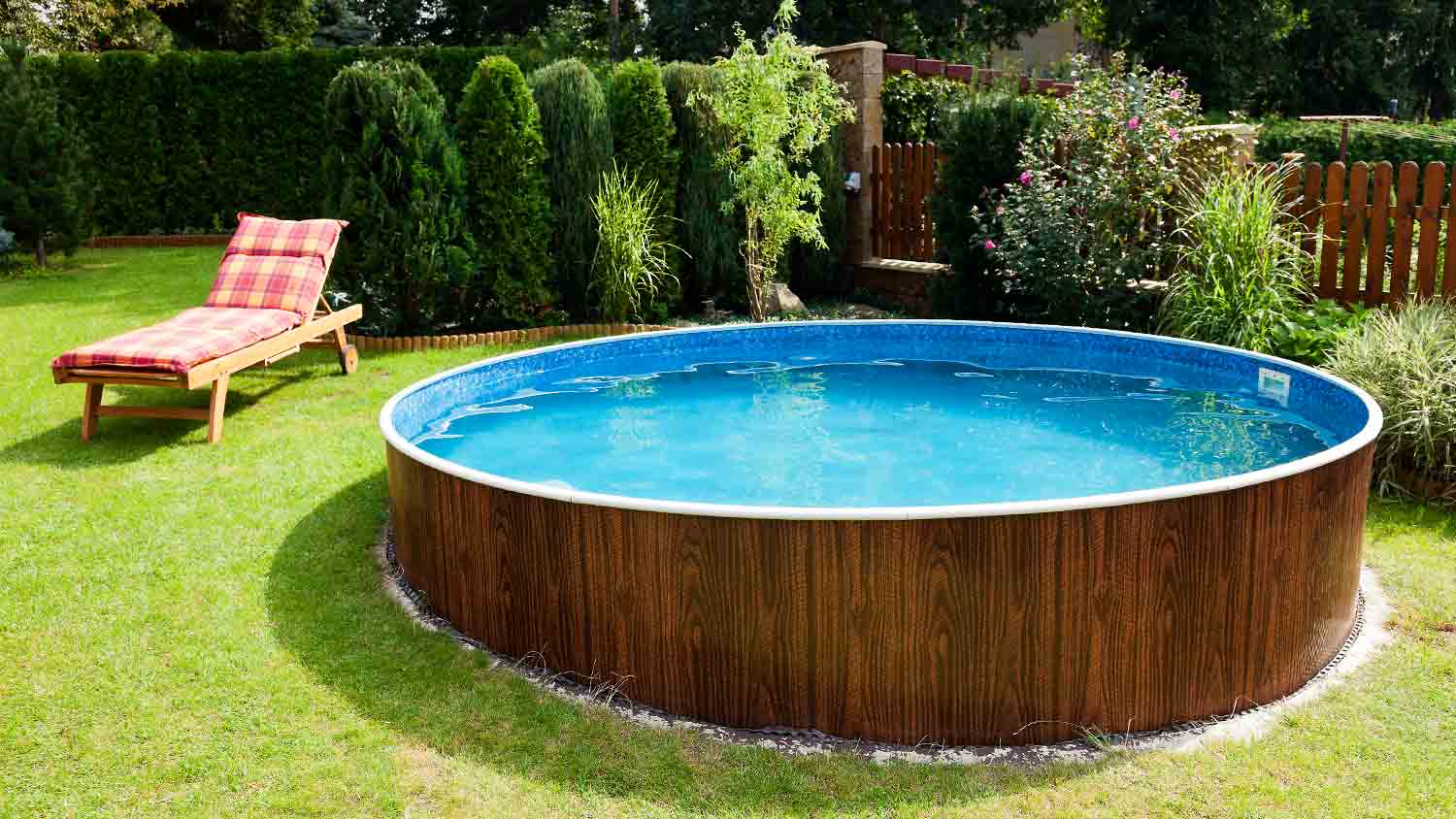
You can install an aboveground pool on various surfaces, including dirt, sand, concrete, and grass. You can’t install a pool on an uneven surface, though, so be sure to level the ground before building your pool. You also can’t install your pool on top of a rocky surface. Three or 4 inches of smooth sand or soil is the ideal surface to go under an aboveground pool.
The total time to install an inground pool typically ranges from 8 weeks to 4 months. This timeline can be influenced by several factors, including permitting, site preparation, and the construction process itself.
Key phases and their typical durations include:
Permits: Obtaining necessary permits can take anywhere from two to six weeks.
Excavation and Site Preparation: This phase takes about a week but can be extended by problematic soil, unexpected ground conditions, or the need to move underground utility lines.
Construction: The actual build, including plumbing and electrical work, often takes one to two months. The pool material is a major factor here; a concrete pool needs about 30 days to cure, while installing a fiberglass or vinyl liner is much faster.
External factors can also cause significant delays:
Contractor Availability: Spring and summer are busy seasons, and high demand can lead to long waitlists, potentially adding months to your start date. It is often recommended to start planning and getting estimates up to a year in advance.
Other Delays: Weather, material shortages, complex designs, and other unforeseen challenges can extend the project timeline.
For maximum effectiveness, you should keep your solar pool cover on whenever your pool isn’t in use. Covering the pool during the day allows the solar cover to use the sun’s rays to heat your pool, prevent evaporation and heat loss, and protect your pool from debris.
The Towner, ND homeowners’ guide to above ground pool installation services
From average costs to expert advice, get all the answers you need to get your job done.
Above ground pools are more affordable than inground pools, so can you put an above ground pool in the ground to save money? Learn when it’s safe to do so.