Using too much soap or floor cleaner can leave your laminate floors looking dirty or cloudy after mopping. Only use a teaspoon of soap or cleaning solution in a gallon of water. Additionally, always be sure to sweep or vacuum laminate floors before mopping to ensure you pick up dried grit, hair, and dust that can be harder to catch with a wet mop.
You can regularly clean your Marmoleum® flooring by sweeping, vacuuming, and damp mopping with a neutral cleaner. Avoid using highly abrasive materials or high-pH cleaners to prevent cracking, warping, or discoloration, and never wet mop, as heavy water exposure can damage the floors. Marmoleum® floors have a topcoat called TopShield preinstalled, so you do not need to polish them.
The best solution for mopping floors depends on the type of floor you have, but a good all-around or multi-purpose DIY floor cleaner is 2 cups of warm water, 5 to 10 drops of liquid dish soap, and 1 tablespoon of lemon juice. This is safe to use on tile, laminate, wood, polished concrete, vinyl, and more, as it’s relatively neutral and lacks caustic and abrasive chemicals that could be harmful to children and pets. You can also use a multi-purpose commercial cleaner, but make sure to follow the directions for safety.
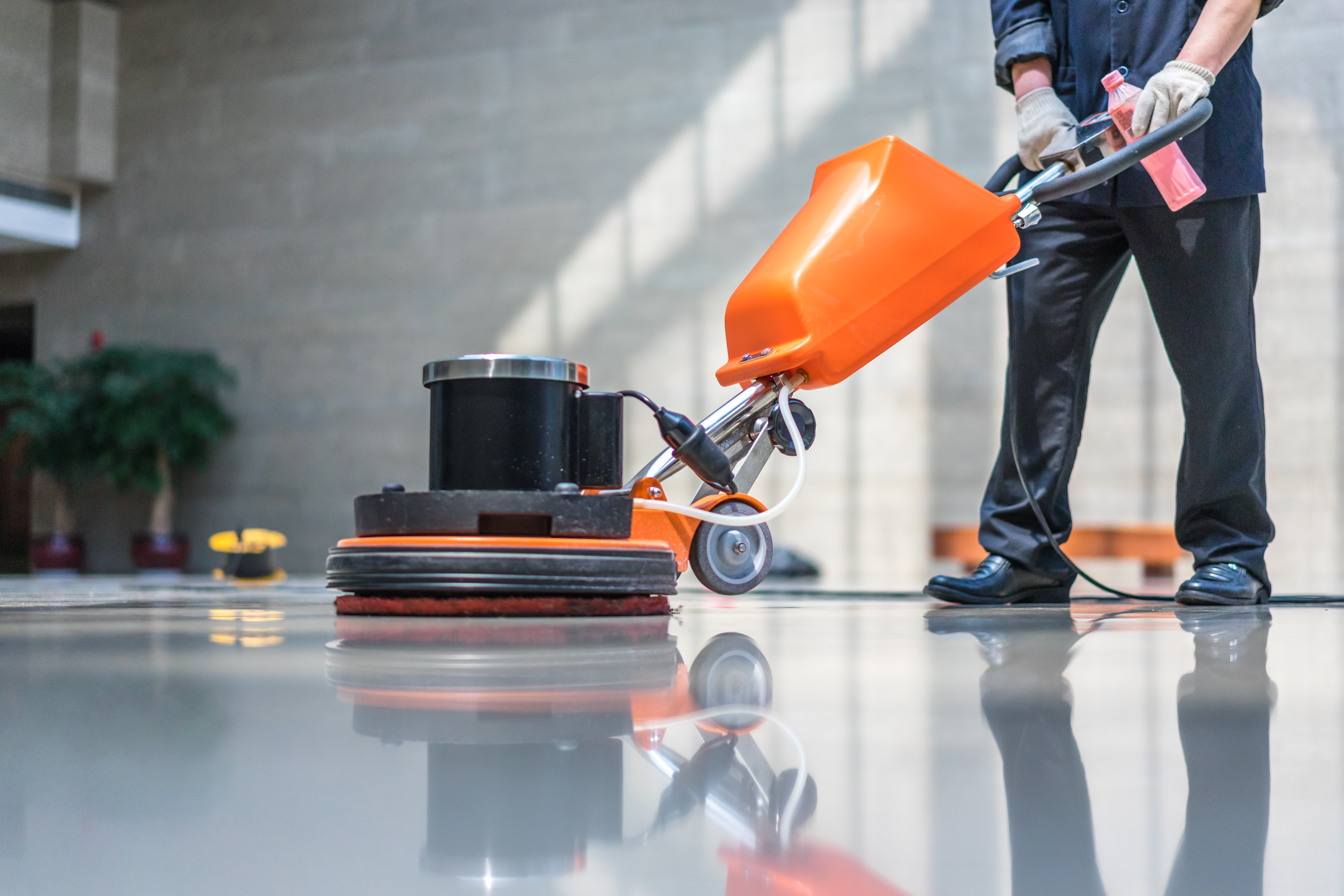
Before starting on a full refinishing project, determine if your floors need to be completely sanded down to the bare wood or if the damage is shallow and mostly cosmetic. Deep scratches and gouges will require you to rough sand using a drum sander or belt sander, but small surface scratches or floors that have only lost their luster don’t need a complete overhaul. Instead, you can skip the rough sanding step and sand-screen the old finish with a buffer, removing only the top layer of polyurethane.
You can use dish soap mixed with warm water to clean just about any type of flooring, and while vinegar is a great addition to some floor cleaners, it’s not a good idea to use it on wood flooring or engineered wood flooring. Vinegar is very acidic, and it can gradually eat away at the protective finish on wood floors. If you’re cleaning laminate, tile, concrete, or vinyl floors, feel free to use vinegar and water in a 1-to-1 ratio with a few drops of dish soap. For wood floors, substitute the vinegar for olive oil.
The Rolla, ND homeowners’ guide to floor polishing services
From average costs to expert advice, get all the answers you need to get your job done.
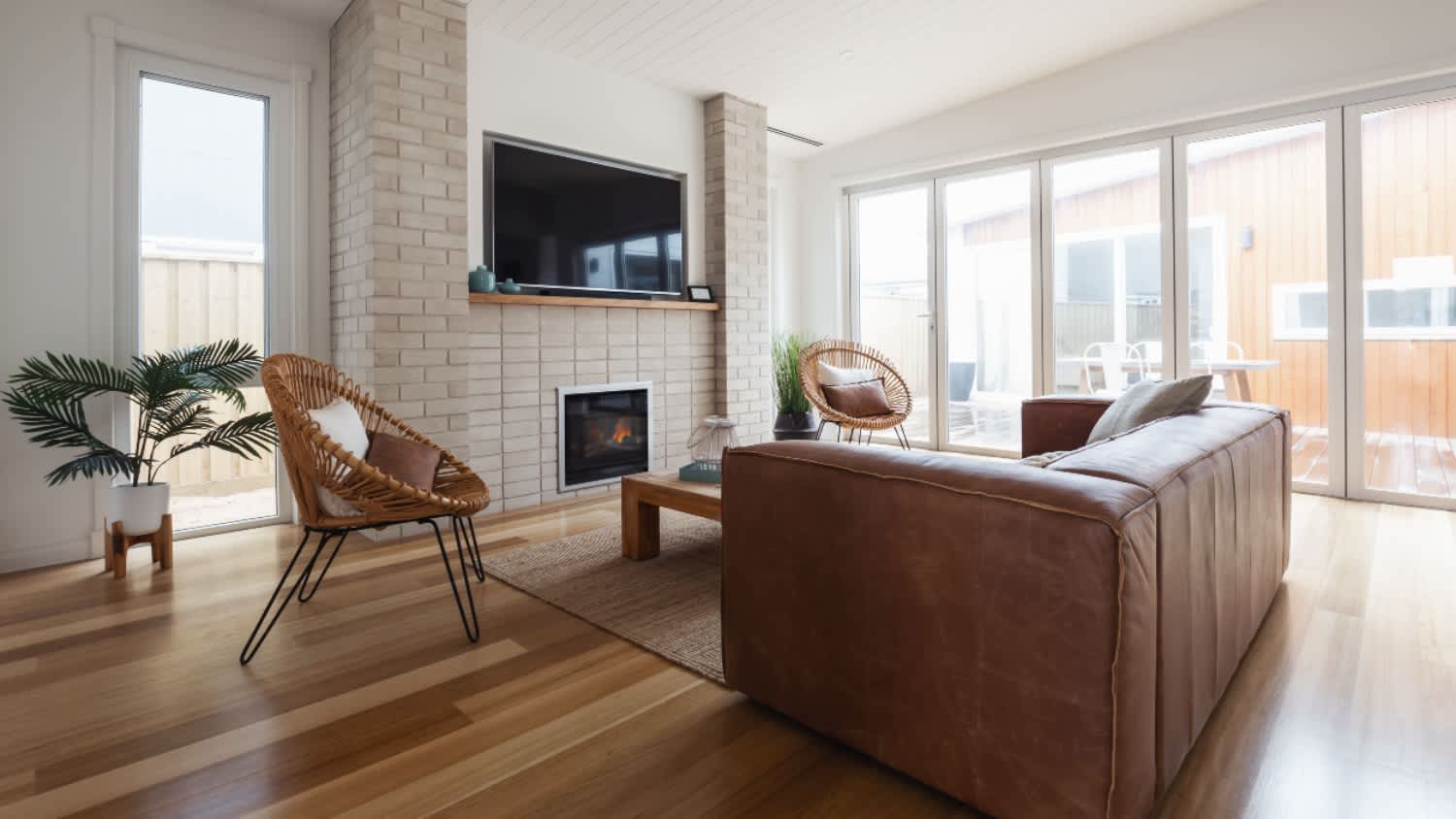
It’s impossible to keep floors damage-free over the years. Thankfully, the cost to refinish hardwood floors is far less than the price tag to replace them altogether.
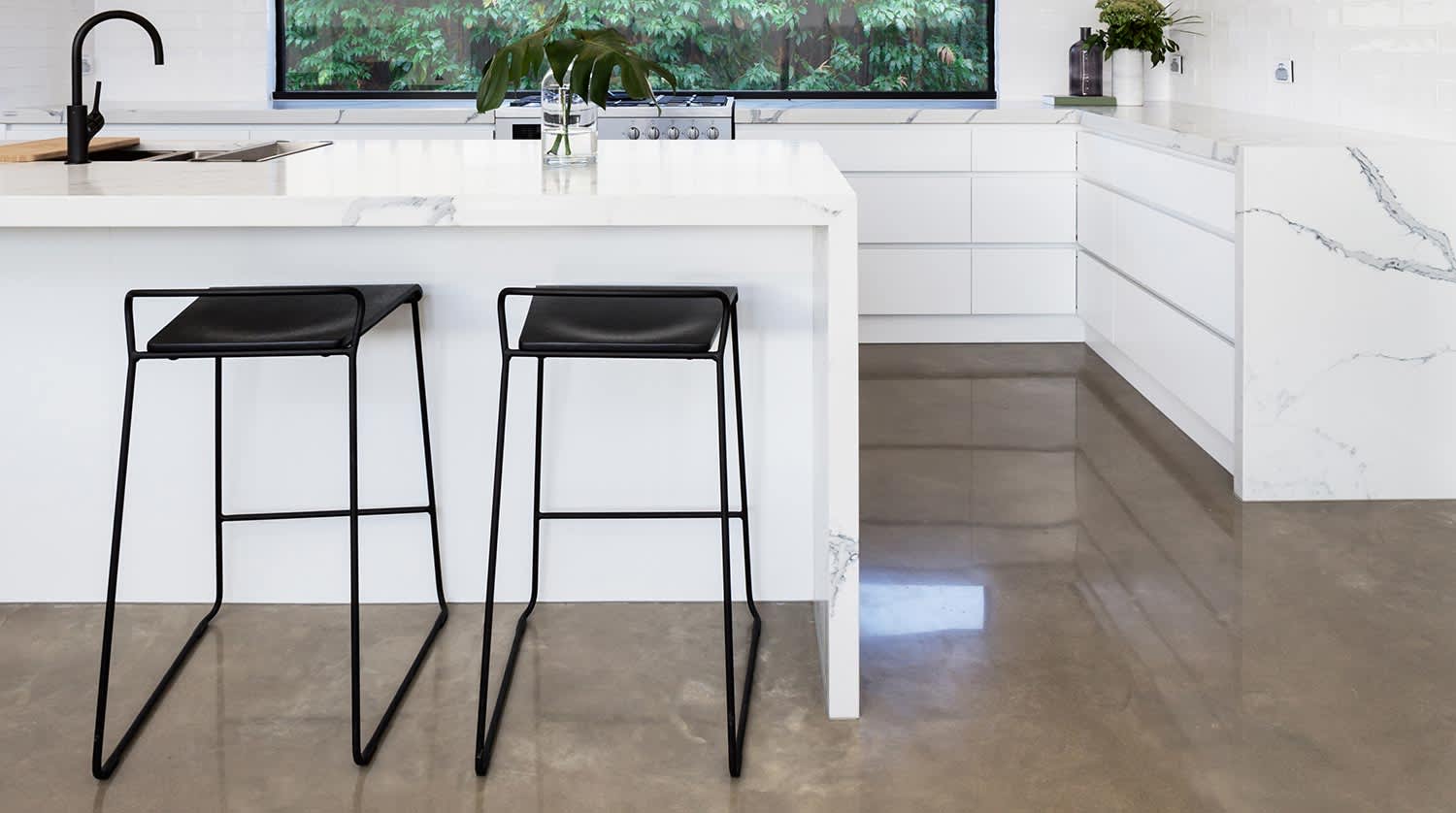
Polished concrete floor costs depend on the size of the area you’re targeting and the style of concrete floor. Our guide breaks down all the cost factors.