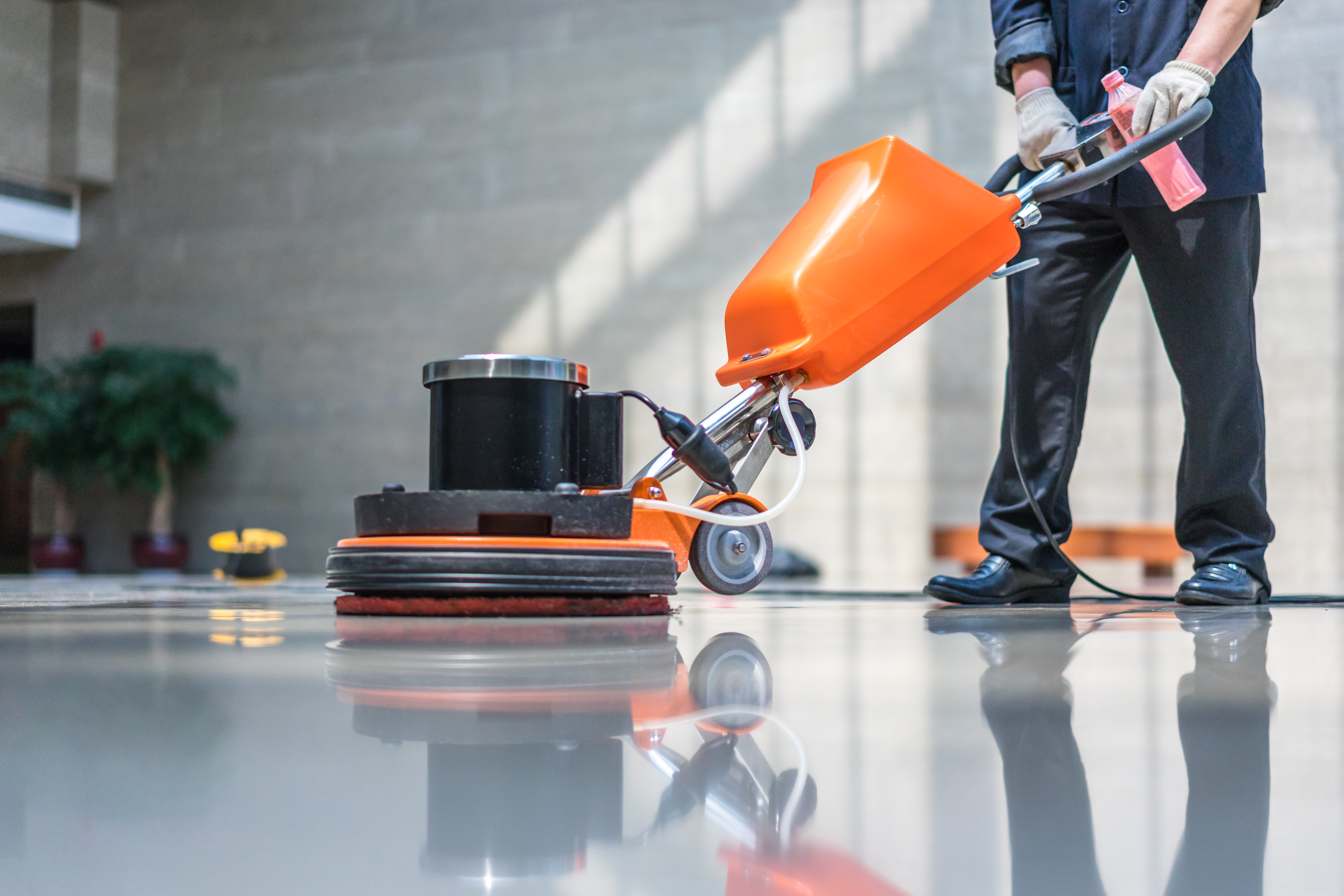




Top-rated floor polishers.

Get matched with top floor polishers in Velva, ND

Enter your zip and get matched with up to 5 pros

Need a pro for your floor polishing project in Velva, ND?

Select your specific project to find the pro for you.

Find Floor polishers in Velva

Avatar for Dust Bunnies Cleaning Service
Dust Bunnies Cleaning Service
5.0(
5
)

Serving Velva, ND and surrounding areas

Approved

In business since 2018

Free estimates

Offers commercial services

"Very personable and accommodating. Went above and beyond with their cleaning. I was very impressed. My house smells so good. Hire them, you won't be disappointed."
Response time9 hrs
Response rate95%
Recommended by100%of homeowners
Floor Polishers questions, answered by experts

Most experts agree that the best thing with which to clean epoxy floors is a diluted mixture of ammonia and warm water. You can also use mild dish soap diluted with warm water or a degreaser (such as Simple Green or Goof Off) diluted with warm water. Some soap-based cleaners can leave a haze. If you notice this, further dilute the mixture with water or use a different detergent that does not leave a film. You should never use harsh cleaning chemicals, any type of acidic compound (such as vinegar or citrus-based cleansers), or harsh scrubbers like steel wool or hard bristle brushes.

There are many benefits to hiring a professional floor cleaner. First, these flooring pros know the right chemicals for your flooring type, which is essential for its longevity. Likewise, they have the proper deep-cleaning equipment, which is often more complex than a mop or broom. Not only that, but deep cleaning your floors can be a time-consuming process, and by hiring a professional, you can spend that time on other home improvement projects.

Professionals use various tools and cleaning solutions based on the type of floor they’re cleaning. They often use industrial steam cleaners to pull debris out of the carpet. For localized stains, they may use a commercial cleaner or a mixture of water, vinegar, and dish soap. For tile, they’ll typically use dish soap and hot water, plus a mixture of baking soda and hot water for the grout. For cleaning wood floors, they might use a low-heat steamer, a mop with an oil wood floor cleaner, or a mixture of hot water, vinegar, and lemon juice.

If your floor is still sticky after mopping, chances are you used too much or too little of the cleaning solution. Using too little won’t get all of the grime off, but using too much can leave its own residue. Refer to the cleaning solution’s instructions and dilute it as directed.

Steam mops can be a better option than traditional mops because the steam can lift stubborn dirt from floors without using chemicals, and it also kills bacteria and dust mites. However, steam mops have drawbacks: they are more expensive, require an electrical outlet, and are not suitable for all flooring types, such as laminate or hardwood, which can be damaged by the steam.

Regular mopping can also sanitize floors effectively when done with the right cleaning products and techniques, though it may require more effort. The main advantage of a traditional mop is its versatility, as it can be used on any type of flooring. Ultimately, the best choice depends on your floor type, budget, and cleaning preferences.

The Velva, ND homeowners’ guide to floor polishing services

From average costs to expert advice, get all the answers you need to get your job done.