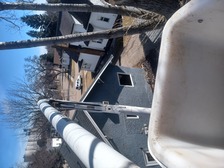









Top-rated arborists.

Get matched with top arborists in Mapleton, ND

Enter your zip and get matched with up to 5 pros

Need a pro for your arboricultural service project in Mapleton, ND?

Select your specific project to find the pro for you.

TRUSTED BY MAPLETON, ND HOMEOWNERS

  • Average homeowner rating star icon4.5
    Average homeowner rating
  • Verified reviews icon161
    Verified arboricultural services reviews

Find Arborists in Mapleton

Avatar for Lost Lake Construction
Lost Lake Construction
New to Angi
Tree RemovalTree Removal - For BusinessTree Stump - Remove+3 more

Serving Mapleton, ND and surrounding areas

Approved

Warranties offered

Small jobs welcome

Credit card accepted

Lost Lake Construction is a veteran-owned company based in northern Minnesota. I'm Dave Berry — I've spent 20+ years in the trades and run a crew of four, so we handle everything from a single afternoon's work to a full-scale build.\nBig job or small, we do it: junk removal and hauling, landscaping and yard cleanup, brush clearing, kitchen and bath remodels, basement finishing, decks, siding, roofing, concrete, painting, and general handyman work. We also specialize in custom fine finish carpentry, log construction, and standing seam metal roofing — the kind of work most crews around here won't take on.\nI'm a licensed Minnesota Residential Building Contractor (BC809295) and fully insured. You'll deal with me directly, not a call center. Free estimates, straight pricing, and a clean job site when we leave.\nGive me a call and let's talk about what you need done.

Showing 1-10 of 30
Arborists questions, answered by experts

Make sure the tree roots soak around a day before you dig the tree up for the transplant. Keep the roots wet while the tree is above ground. After the transplant is finished, provide consistent water every day for the first month or so. You don’t want to overwater the tree, but you do want to keep the roots wet so they can thrive in their new environment.

The costs vary from $250 to $5,000 per tree, depending on the size, complexity of the trimming, and labor.

There are a few general rules to follow that will help you prune your trees correctly. One of the most important rules is to prune during the correct season for the type of tree you have. Typically, pruning should be during late winter. For younger trees, you should not remove more than a ⅓ of the tree's crown when pruning. Also, remember to remove dead and diseased branches first, then proceed with pruning the rest of the tree.

The best time to trim trees is in late fall through winter when the tree has slowed its growing for the year. Cold weather stops insects and fungal growth from attacking a new tree wound. Summer and fall are considered the worst times to trim trees, but it’s permissible in certain scenarios, such as tree disease, damaged branches, or small, aesthetic cuts.

The best way is to start controlling tree height long before it grows too large, via careful pruning through the years. But that’s not always possible. If a tree has become too high or too large, use selective pruning to remove the most troublesome branches, one by one, without topping the tree. Gently shaping a tree like this can, over time, correct problems. You can also find growth inhibitors to spray on a tree to stop it from growing too rapidly, but use these sparingly if at all.

The Mapleton, ND homeowners’ guide to arboricultural services

From average costs to expert advice, get all the answers you need to get your job done.