



Top-rated energy efficiency auditors.

Get matched with top energy efficiency auditors in Mandan, ND

Enter your zip and get matched with up to 5 pros

Need a pro for your energy efficiency auditing project in Mandan, ND?

Select your specific project to find the pro for you.

Find Energy efficiency auditors in Mandan

Avatar for Lightspring LLC DBA Lightspring Solar
Lightspring LLC DBA Lightspring Solar
New to Angi

Serving Mandan, ND and surrounding areas

In business since 2018

Free estimates

Warranties offered

Lightspring Solar We pride our company on reliability, great communication, integrity, and quality work. We are experts in our trade and will do our best to keep you as educated as we can on your particular task or project. We look forward to earning your business! Book with us online or feel free to give us a call today!

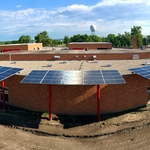
UTTC Bismarck
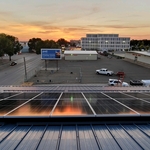
Spas Etc. Bismarck
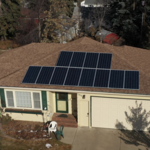
Bismarck Residential 1
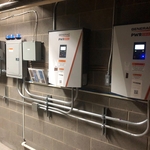
UTTC - Batteries
Spas Etc. Bismarck

+18

Response time10 hrs
Energy Efficiency Auditing questions, answered by experts

String lights require electricity, but not an excessive amount, especially when compared to other lighting fixtures. LED rope lights, for instance, consume around one watt per foot. Running six or seven light strings simultaneously should only cost you around $10 to $15 each month. You can save even more money by remembering to turn off your lights during daylight hours. 

A small sump pump running infrequently uses an average of 10 kilowatt-hours (kWh) of electricity per month. The average cost for electricity is $0.171 per kWh. The size and use frequency affect how much electricity it uses. Sump pumps average one-third to one horsepower (hp) motors. One hp is equal to 745.7 watts. Watts multiplied by the time your pump is running divided by 1,000 equals your average kWh. Multiply kWh by your average cost of electricity. In areas with high rain or a marsh basin, the average cost can be as high as $15-$25 a month.

Installing weather stripping or upgrading to insulated panels can improve efficiency.

Yes, a dirty air filter can cause a higher electric bill. That’s because clogged filters make it harder for air to flow through your HVAC system, which forces it to work harder and use more energy. According to the U.S. Department of Energy, replacing dirty filters can save you between 5% and 15% in utility costs.

Homeowners can often access federal tax credits, such as the Investment Tax Credit (ITC), which covers a percentage of installation costs. Many states and utilities offer additional rebates, grants, or performance-based incentives. These programs can significantly lower your upfront investment. Check the Database of State Incentives for Renewables and Efficiency (DSIRE) or contact your local energy office for current offers.

The Mandan, ND homeowners’ guide to energy efficiency auditing services

From average costs to expert advice, get all the answers you need to get your job done.