Skunks are nocturnal creatures, meaning they are primarily active at night, particularly around dusk and dawn. Their activity levels increase as the weather warms up, and they are generally dormant or inactive during the winter. Skunks are especially active during the spring months when they are foraging for fresh food and seeking mates. While they are typically not seen during the day, daytime activity is possible if a skunk is having trouble finding food, has babies to care for, or is severely ill.
If you’re having trouble with your traps, first examine them for flaws that would allow a squirrel to escape easily, such as loose doors or hinges. It’s also important to consider the location of your trap: Place it in areas with higher squirrel traffic, and make sure it’s on a sturdy surface so it can’t wobble or tip (squirrels aren’t likely to walk in a trap that isn’t stable). Lastly, try changing out your bait—in-shell peanuts or peanut butter often work best.
While you may be hearing squirrels running around your attic at night, these animals are usually more active during the day. If you hear scratching sounds in your attic at night, it’s mostly likely a mouse, raccoon, or bat. Investigate your roof, attic, and other entrances to your home to find signs that indicate the presence of squirrels or other pests.
Yes, filling gaps can help with pest problems in your home. Sealing baseboard gaps reduces small-insect entry points into your home. Even tiny spaces provide pathways for pests, so addressing all gaps throughout your home creates a more effective barrier than spot treatments in individual rooms.
The cost of pest control services depends on various factors, but the average homeowner pays around $175, with a typical range of $100 to $500. Your final cost will be influenced by the type of pest, the size and severity of the infestation, and the number of treatments needed.
Service costs also vary by frequency:
One-time service: $300–$550
Initial visit for ongoing service: $150–$300
Monthly visits: $40–$70
Quarterly visits: $100–$300
Annual visits: $300–$550
For specific pest examples, getting rid of spiders typically costs between $100 and $300, whereas a termite infestation can cost from $230 to $2,500 or more, depending on the extent of the damage.
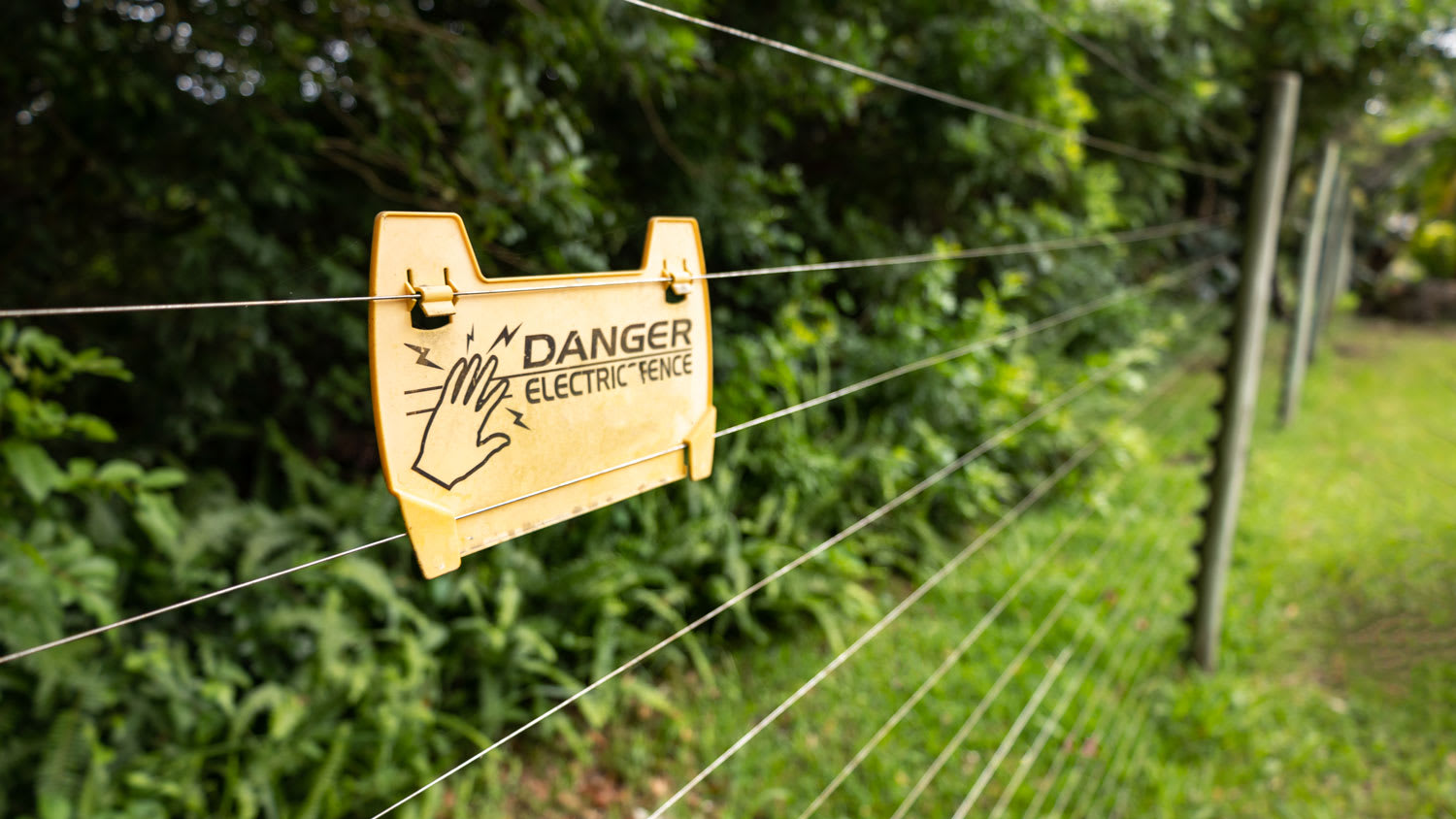
The Langdon, ND homeowners’ guide to animal fencing services
From average costs to expert advice, get all the answers you need to get your job done.
Pipe fencing is an extremely strong, durable option for containing horses and other livestock. This guide breaks down the factors that affect pipe fence cost.