



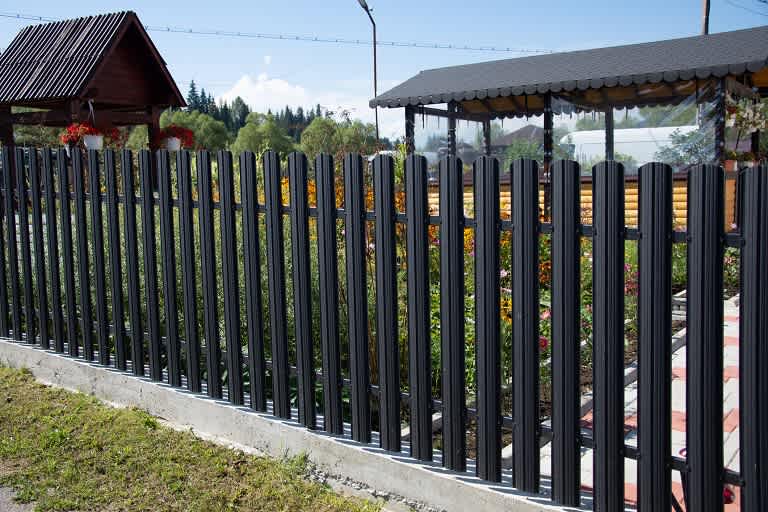
Aluminum fence costs in Minneapolis, MN depend on your fence’s height, thickness, design, and length. Explore all the cost factors in this guide.

*The Angi rating for Animal Fencing Service companies in Saint Michael, ND is a rating based on verified reviews from our community of homeowners who have used these pros to meet their Animal Fencing Service needs.
*The HomeAdvisor rating for Animal Fencing Service companies in Saint Michael, ND is a rating based on verified reviews from our community of homeowners who have used these pros to meet their Animal Fencing Service needs.
Last update on September 01, 2026
From average costs to expert advice, get all the answers you need to get your job done.
Aluminum fence costs in Minneapolis, MN depend on your fence’s height, thickness, design, and length. Explore all the cost factors in this guide.

Find out the average electric fence installation cost in Minneapolis, MN. Learn what you can expect to pay for materials and labor to keep your pets safe.
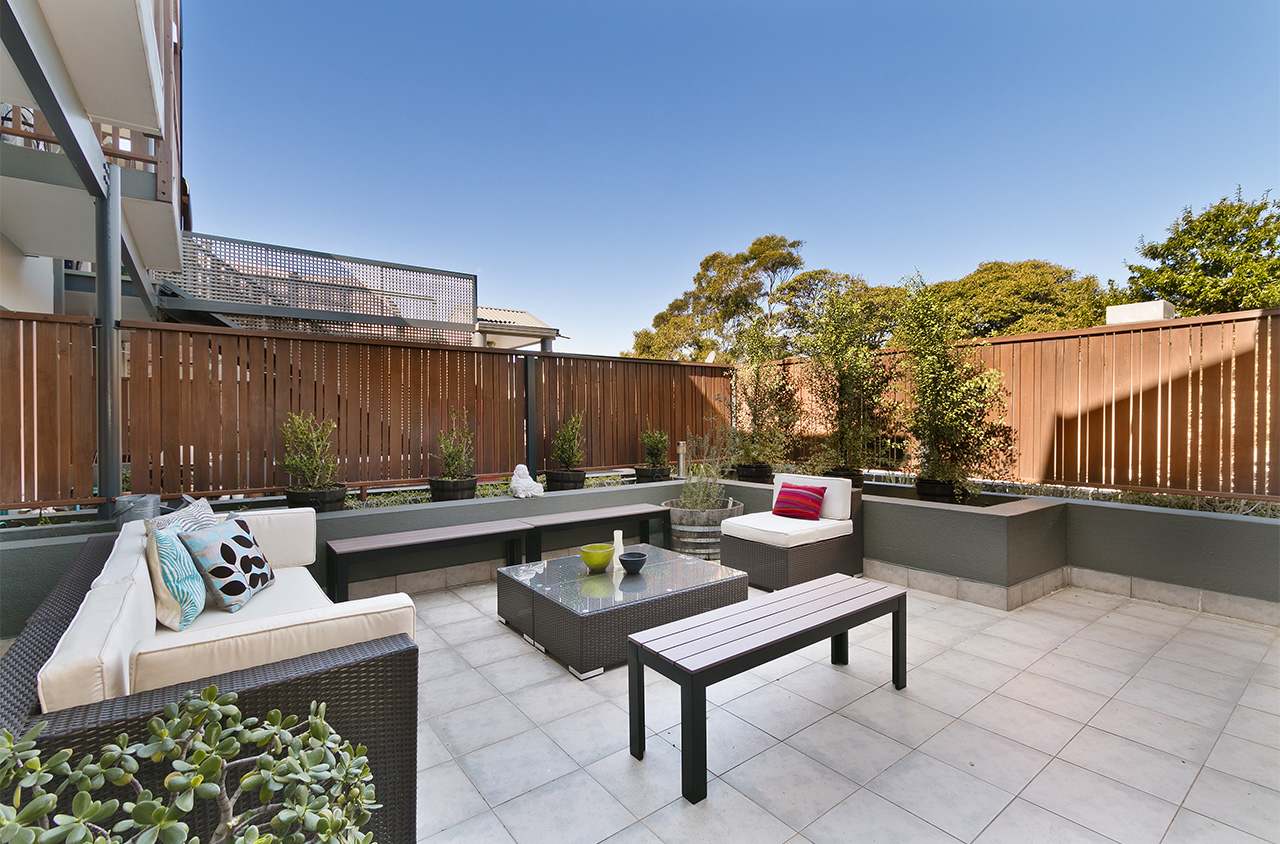
The cost to build a wood fence in Minneapolis, MN depends on the size, material, add-ons, and more. Read this guide to learn how each cost factor impacts the price of a wood fence.

There are a lot of different types of farm fencing. Find the one that’s right for your property with our handy guide.
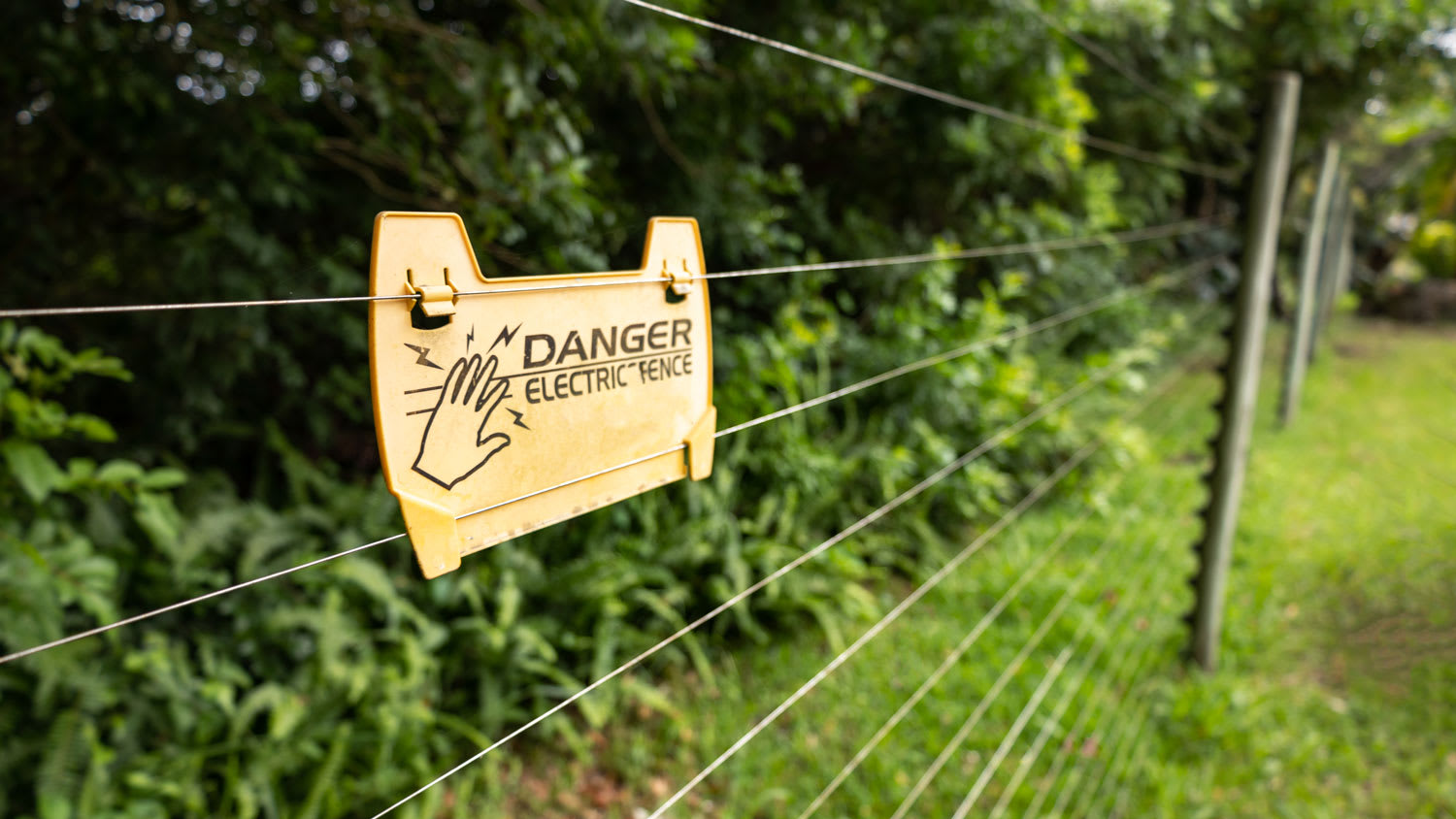
Learn how to read an electric fence wiring diagram—knowing the parts of an electric fence can give you a better understanding of how it works.

If you’re considering adding a wire fence to your property, you have choices. Keep reading for a breakdown of 10 types of wire fences.