We are taking on new projects! Here at Handyman Chumley, LLC we always offer free estimates and consultations. We provide a variety of interior and exterior home services. We offer services ranging from repairs, refinishing, light remodeling, updates and renovations, and “Honey Do’s”. We can also help with larger scale projects ranging from remodeling, kitchen and bath remodeling and renovations, kitchen and bath or whole home updates and renovations, inspection report repairs and business repairs. We can group multiple small and large tasks in single work orders in order to help you clear up that “Honey Do List” with an efficient affordable solution. \n\nWe've got you Big or small. Call, text, email: [email protected] or text pictures of needed services to 701.333.9941\n\n
Our mission at Hampton Enterprise LLC is to provide clients with superior customer service, quality work and speedy service in all aspects of their home improvement needs. Licensed, insured and trusted since 1989; come discover the Hampton difference today!\n\nWe specialize in the installation and repair of Windows, Doors, Flooring, Sinks, Bathtubs, Showers, Sprinkler Systems and much more. We also offer Interior and Exterior Home Painting, Custom Welding Fabrication and Carpentry.Localy in your area just call and i will call back with a local number thank you . from James Hampton\n\nAL.Dothan 334-648-3817,\nAL Birmingham 334-648-3817,\nAL Huntsville 334-648-3817,\nAL Mobile 334-648-3817,\nAL Tuscaloosa 334-648-3817,\nAL Montgomery 334-578-4761,\nAR Little Rock 334-648-3817,\nAZ Phoenix 334-648-3817,\nCA LosAngeles/Sacramento 334-648-3817,\nCO Denver/Colorado Springs 334-648-3817,\nCT Hartford 334-648-3817,\nDE Dover 334-648-3817,\nFL Tallahassee 334-648-3817,\nFL Cape Canaveral/ Cocoa 334-648-3817,\nFL. Destin 334-648-3817,\nFL Gainsville 334-648-3817\nFl Jacksonville 334-648-3817,\nFL Orlando 334-648-3817,\nFL Panama City 334-648-3817,\nFL Tampa 334-648-3817,\nFL Miami 334-648-3817,\nGA Atlanta 334-648-3817,\nGA Albany 334-648-3817,\nGA Augusta 334-648-3817,\nGA Columbus 334-648-3817,\nGA Macon 334-648-3817,\nGA Valdosta 334-648-3817,\nIA Des Moines 334-648-3817,\nID Boise 334-648-3817,\nIL Chicago/Springfield 334-648-3817,\nIN Indianapolis 334-648-3817,\nKS Levenworth/Topeka 334-648-3817,\nKY Frankfort 334-648-3817,\nLA New orleans/Baton Rouge 334-648-3817,\nMA Boston 334-648-3817,\nMD Annapolis 334-648-3817,\nME Augusta 334-648-3817,\nMI Detroit/Lansing 334-648-3817,\nMN Saint Paul 334-648-3817,\nMO kansas City/Jefferson City 334-648-3817,\nMS Jackson 334-648-3817,\nMS Biloxi 334-648-3817,\nMS Gulf Port 334-648-3817,\nMT helena 334-648-3817,\nNC Raleigh 334-648-3817,\nND Bismark 334-648-3817,\nNE Lincoln 334-648-3817, \nNJ Trenton 334-648-3817,\nNM Santa Fe 334-648-3817,\nNV Carson City 334-648-3817,\nNV Las Vegas 334-648-3817\nNY Albany 334-648-3817,\nOH Columbus 334-648-3817,\nOK Oklahoma Ciy 334-648-3817,\nOR Salem 334-648-3817,\nPA harrisburg 334-648-3817,\nRI Providence 334-648-3817,\nSC Columbia 334-648-3817,\nSD Pierre 334-648-3817,\nTN nashville 334-648-3817,\nTX Austin 334-648-3817,\nUT Salt Lake City 334-648-3817,\nVA Richmond 334-648-3817,\nVT montpelier 334-648-3817,\nWI Madison 334-648-3817,\nWV Charleston 334-648-3817,\nWY Cheyenne 334-648-3817
Options include bricks, natural stone, and concrete blocks. Choose based on durability, aesthetics, and budget.
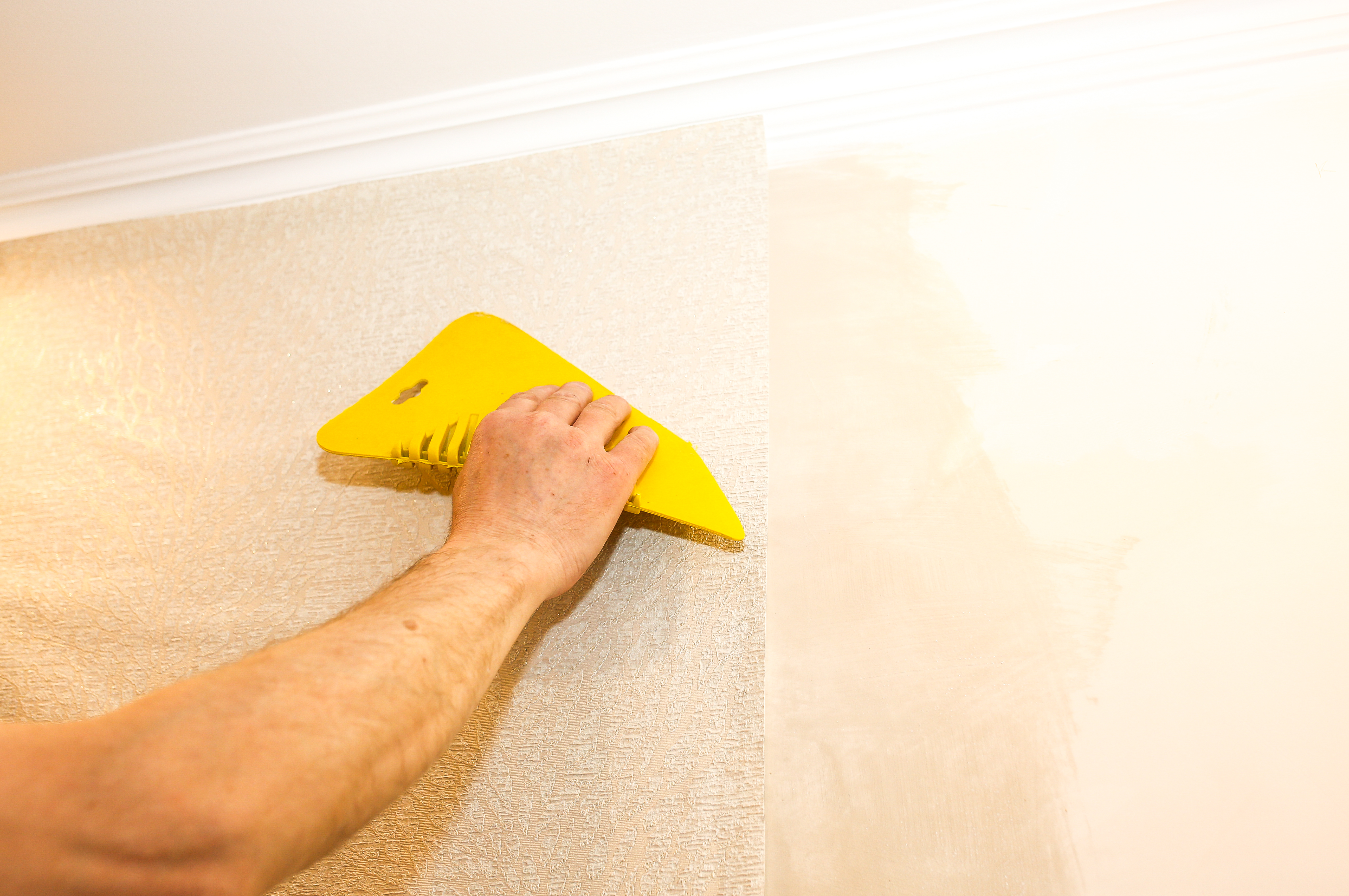
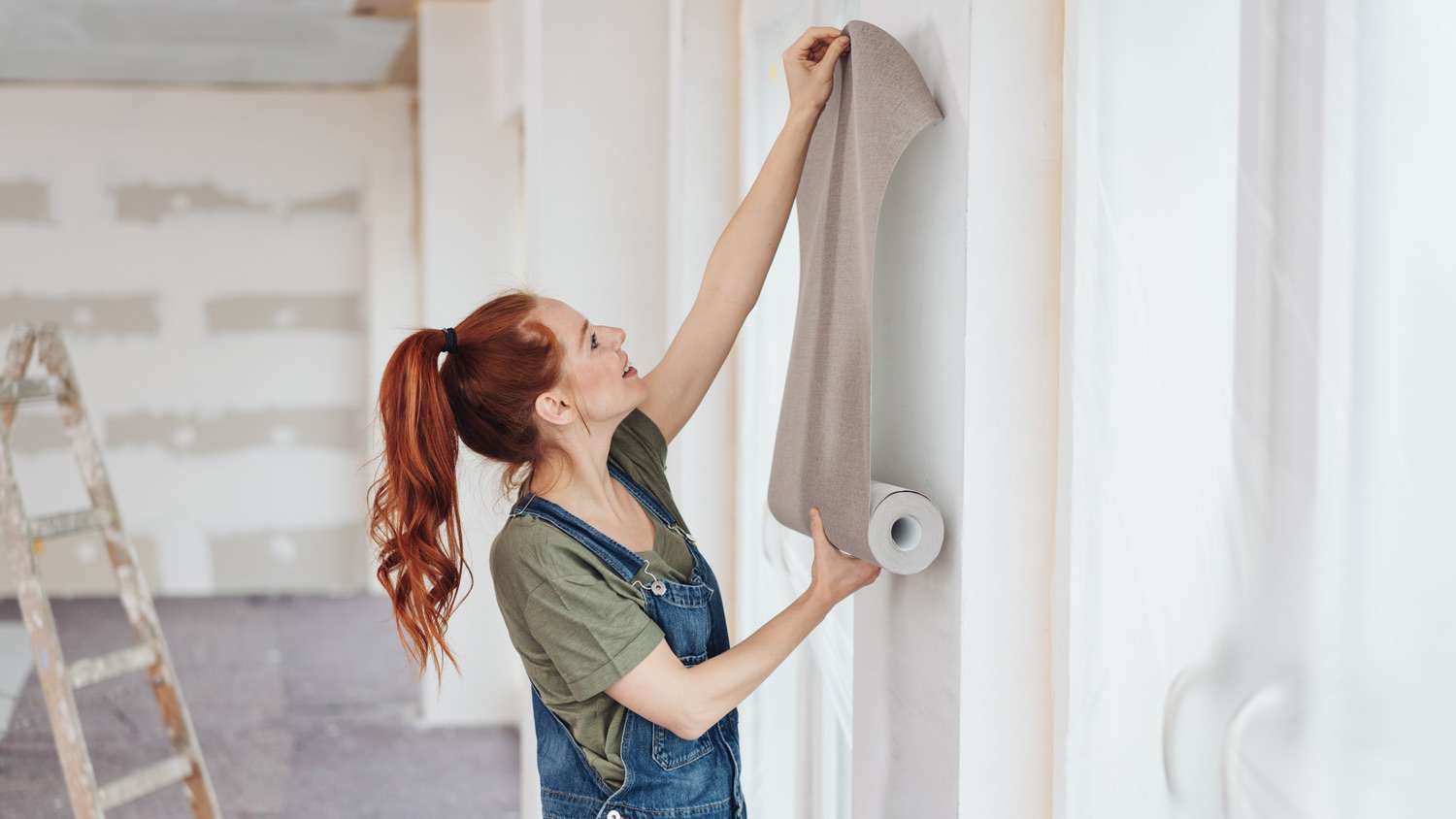
Putting up new wallpaper tends to take one to two days, depending on the size of the area, whether old paper needs to be removed, and if there is any damage to walls that needs to be smoothed over or fixed.
Walls should be as smooth as possible before applying peel-and-stick wallpaper. Although you technically can apply wallpaper on textured walls, the peel-and-stick variety won’t last long without a clean, smooth surface for the adhesive to stick to. If you have textured walls, consult a pro about removing the textured finish before moving forward with wallpaper.
Ideally, you want to ask the wallpaper installers you’re considering for examples of past work, and references you can call. These will prove that the installer can handle your job, make your room look professional, and will also give you some insight into the kind of customer service you can expect. Before you start calling companies, you might want to narrow down your options by finding installers with mostly positive reviews online.
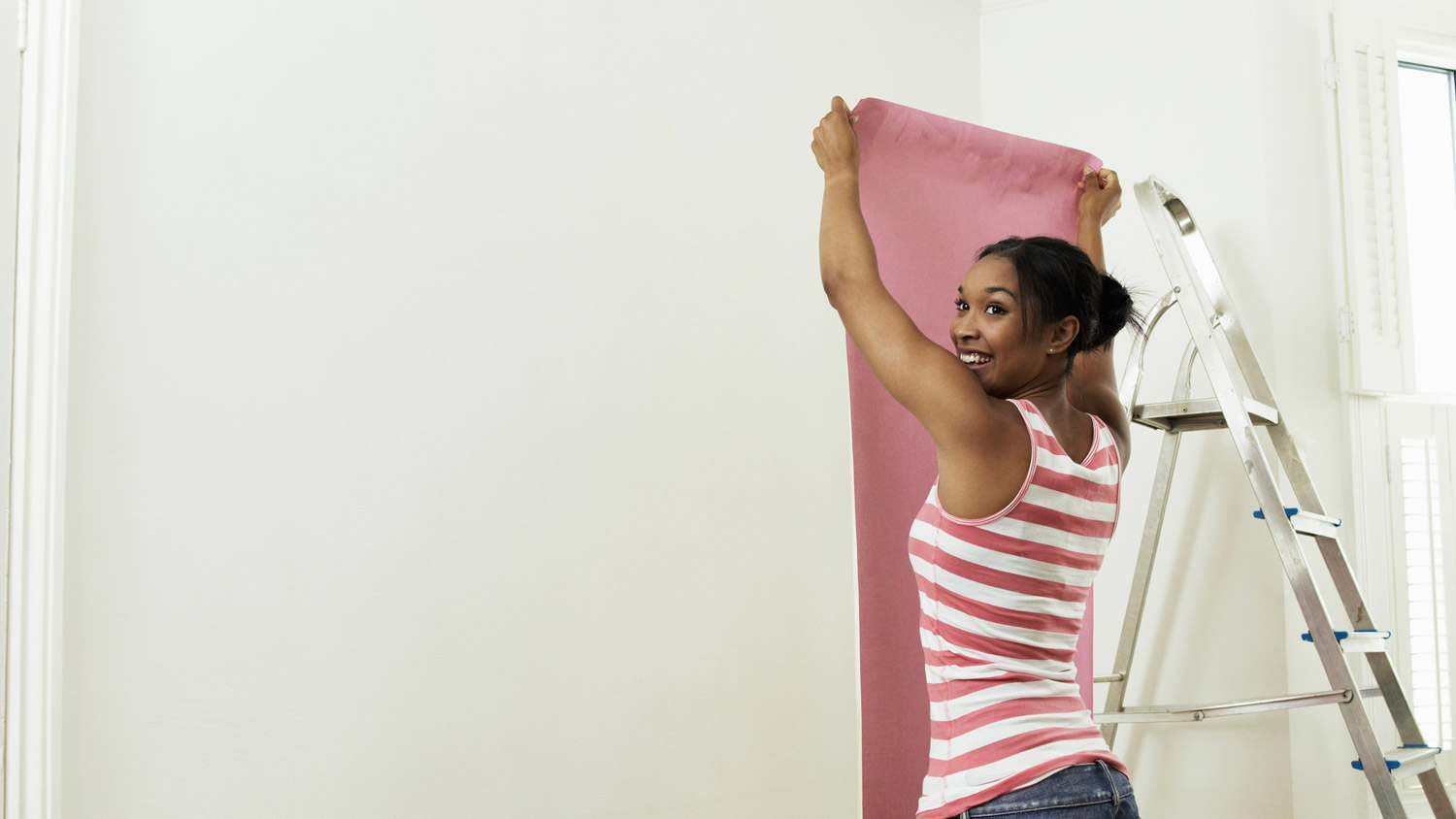
It’s possible to hang your own wallpaper, but the process is tedious and potentially frustrating, and it can be challenging to get seams to line up and look clean and professional. Plus, depending on the type of wallpaper you’re installing, using too much or too little adhesive could cause damage to your drywall or plaster, peeling, and bubbling in the final product. It’s usually a better idea to hire a professional wallpaper installer to do the work for you, as the relatively low cost is justifiable, if only to avoid damage to your walls.
The Hebron, ND homeowners’ guide to wallpaper services
From average costs to expert advice, get all the answers you need to get your job done.
Discover wallpaper installation cost. Learn about material, labor, and project factors to estimate your budget and make informed choices for your home.
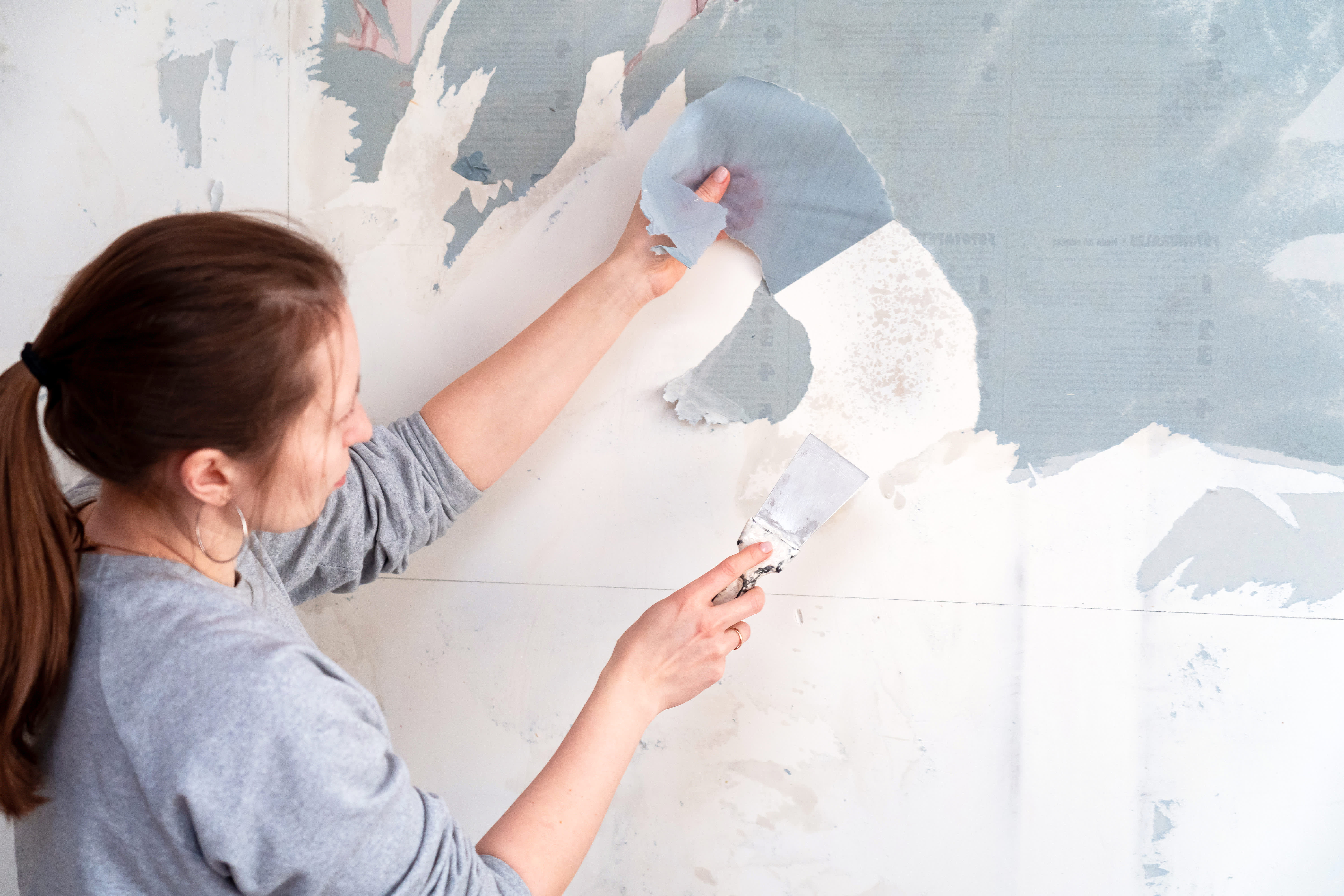
Wallpaper removal requires physical labor and can be a sticky mess. Consider these tips on the best ways to remove wallpaper to make the process as smooth as possible.
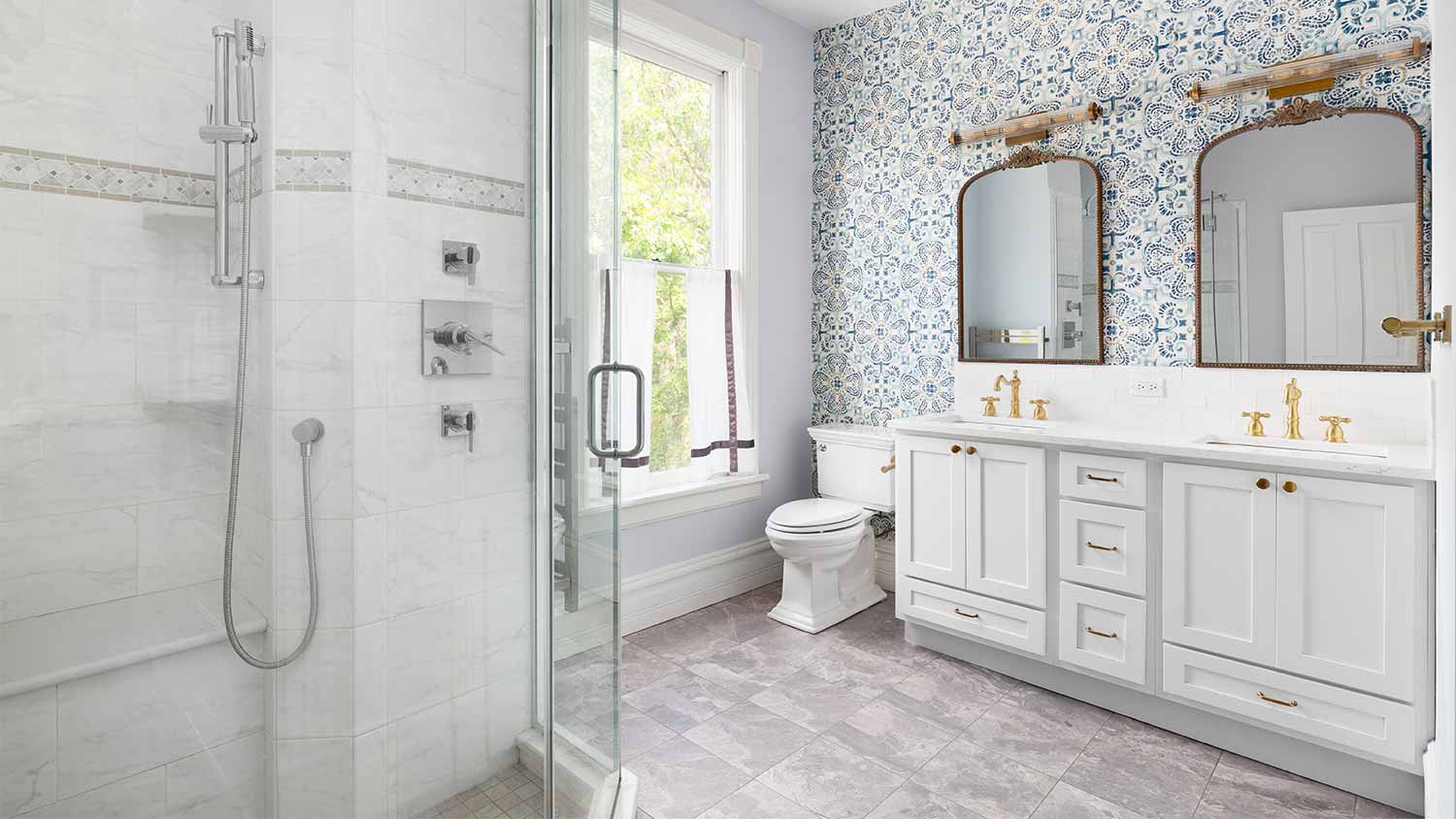
Is washable wallpaper suitable for bathrooms? Yes, but this only applies to certain types of wallpaper in specific situations. Here’s what you need to know.