"He is willing to truly fix anything and if he does not know how he will be honest and let you know but will try to find someone that will be able to do it"
"I have been trying to get a bid for some home repairs, but no one would respond to my requests. Ben showed up when he said he would. He stayed until the job was finished. He communicated honestly and was very fair. I will be calling Ben again for other projects!"
We are a locally owned and operated company that values honesty and integrity in all aspects of our business. Our major focus is on the quality our work and producing outstanding results. We are committed to creating a level of value unmatched by any of our competitors. We look forward to building lasting relationships with our clients and guarantee your satisfaction!\n
Welcome to Arnerson Remodeling, proudly serving North Dakota. With over 30 years of experience, owner and operator, Dean Arnerson takes great pride in his professionalism and customer satisfaction. For fast, reliable and efficient service, give us a call today. You will not be disappointed.
Bravo Builders, LLC, is proud to be a locally owned and operated business that serves the Williston and surrounding areas. We provide any and all of your home improvement needs, specializing in remodels, additions and renovations. When it comes to major home improvements, you want someone that you can trust. We will make sure that we have a full understanding of your dream and will bring our unmatched expertise to your project to make that dream a reality. We have built our business on customer satisfaction. Communication from your initial consultation and bid through the completion of the project is a cornerstone of our business. We are timely, tidy and make sure that every customer is 100% satisfied upon the completion of the project. Get in touch to discuss your home improvement needs today!
Cook's Contracting is a locally owned and operated company that values honesty and integrity in all aspects of our business. Our dedicated team of professionals have over 15 years of hands on experience, to provide innovative ideas and suggestions tailored to your projects. Our services are customized to your individual needs, paying close attention to the details of each project that we are involved with. Please feel free to contact us today!
Appliances typically connected to a gas line include gas stoves, water heaters, furnaces, and gas fireplaces. Essentially, any appliance in your home that uses gas needs to be connected to a gas line, which connects your home with the main gas line owned and operated by your gas company.
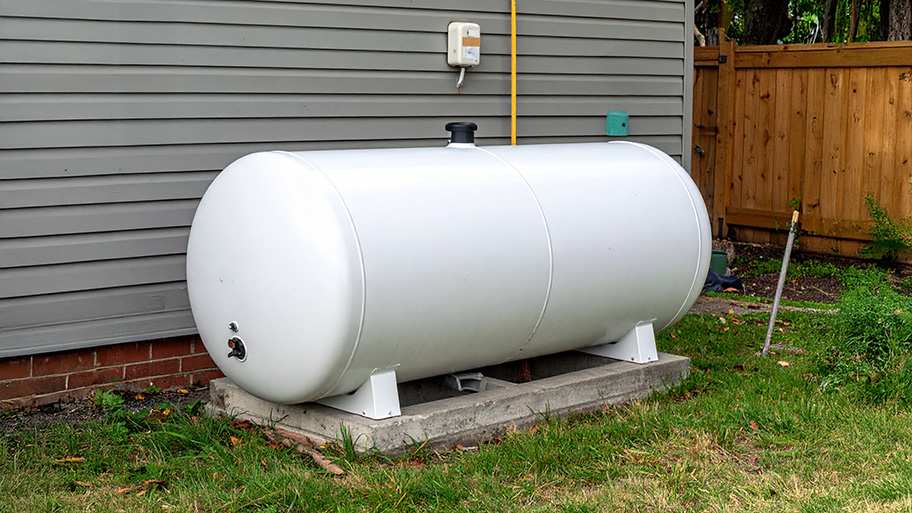
Safety precautions include proper ventilation, regular inspections for leaks, and ensuring tanks and fittings are in good condition to prevent accidental release or fire hazards.
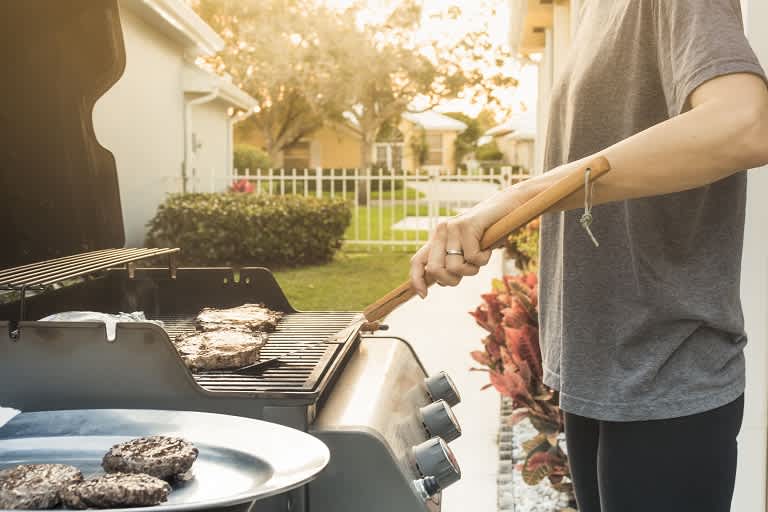
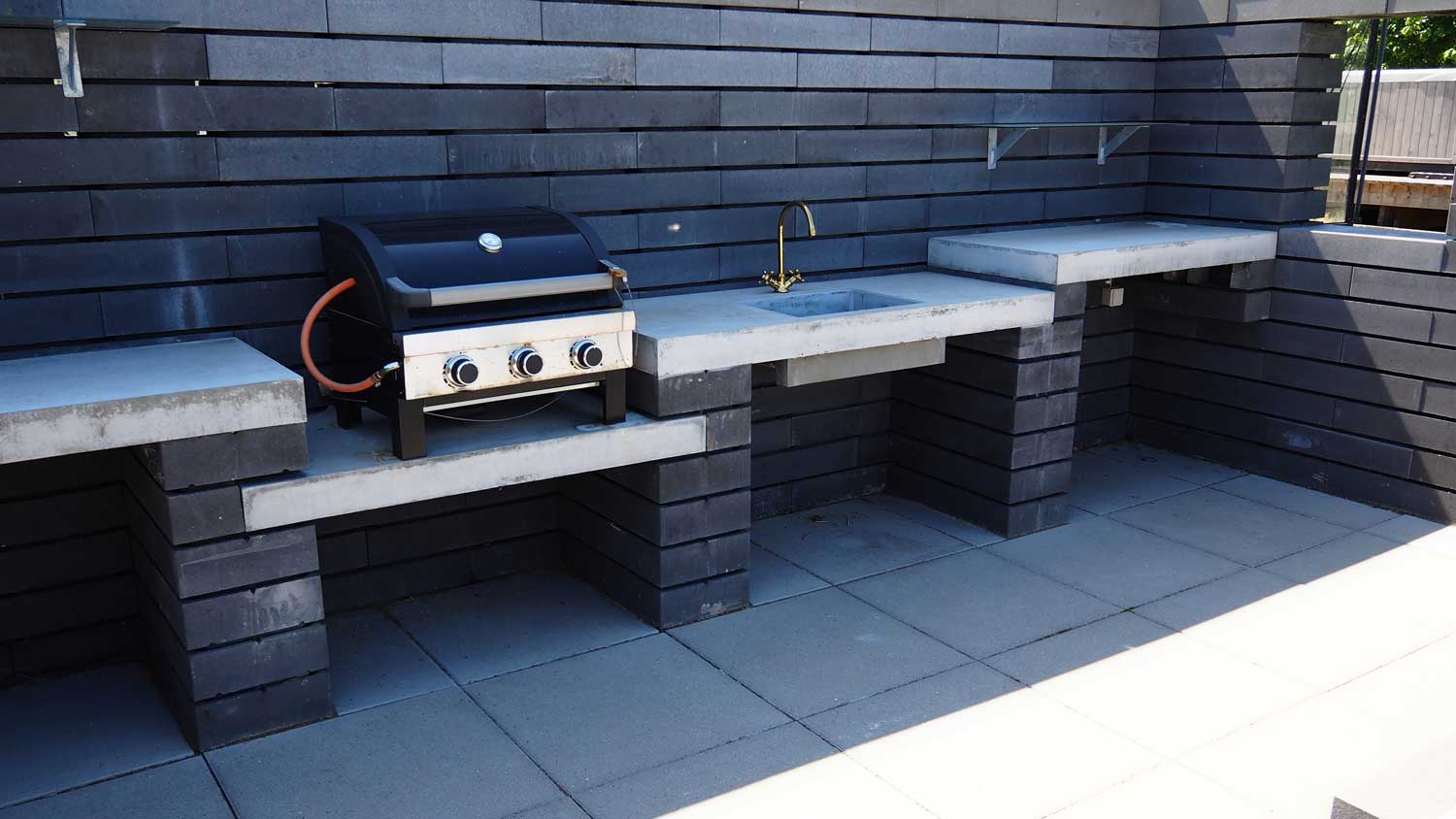
Gas grill installation costs around $540 on average, not including the price of the actual grill, and most homeowners pay between $120 and $1,400. This total will go toward laying down a new gas line, connecting it to your existing gas system, pressure testing the line, and connecting it to your grill. Your total project price will depend on the length of the gas line, whether or not the line needs to be installed underground, and the cost of the permits in your area.
Depending on the appliance and labor requirements, costs range from $150 to $500.
All U.S. states require permits for gas grill installation, so you’ll have to get one before you move forward with your project. Permits help ensure that the gas line runs safely to avoid gas leaks and explosions. Gas line permits can usually also only be pulled by certified plumbers, which means you’ll have to hire a professional from the start. The permit for a gas line installation for a gas grill usually costs between $100 and $300. You can contact your installation company or building department for more accurate pricing.
The Hebron, ND homeowners’ guide to grill assembly services
From average costs to expert advice, get all the answers you need to get your job done.
Planning a new outdoor cooking space? Learn everything you need to know about gas grill installation costs, setup options, and how to hire a local pro.
Don’t leave your grill behind when moving house. Learn how to move a grill safely so you can enjoy a home-cooked meal on your first night in your new place.