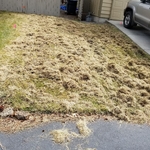
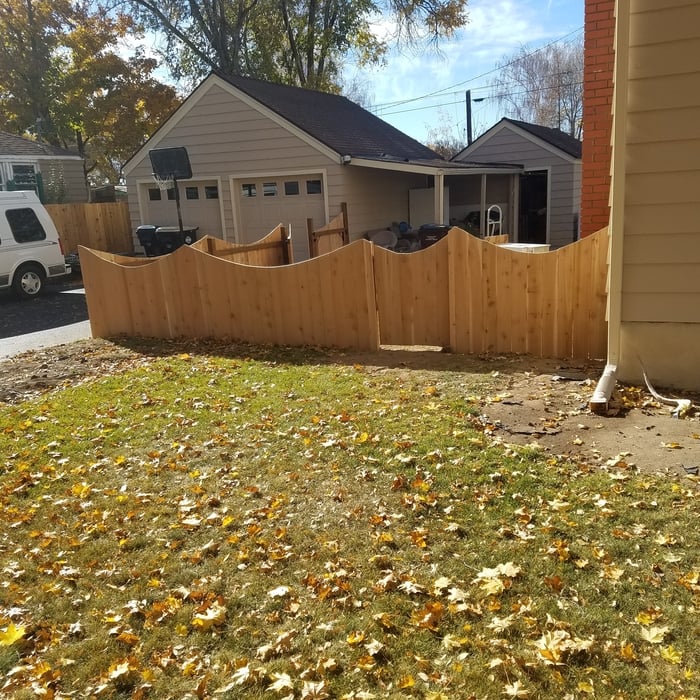
"Very responsive to text or call. Gave clear timelines of expected project. I asked for a more detailed billing and was given one pretty quickly. Pleased with the work and the clean up afterward."
Sonyx Solutions is committed to excellence in every aspect of our business. We uphold a standard of integrity bound by fairness, honesty, and personal responsibility. Our distinction is the quality of service we bring to our customers. Accurate knowledge of our trade combined with ability is what makes us true professionals. Above all, we are watchful of our customers' interests, and make their concerns the basis of our business.\n
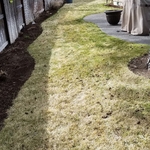
"Very cordial and professional. As mentioned above I intended to use this service once for cleanup. After I saw the results I felt it was worth it to have them come weekly to maintain my now beautiful yard. I highly recommend this company for anyone's landscaping needs."
We are a locally owned and operated company that values honesty and integrity in all aspects of our business. Our major focus is on the quality our work and producing outstanding results. We are committed to creating a level of value unmatched by any of our competitors. We look forward to building lasting relationships with our clients and guarantee your satisfaction!\n
Fire Pit Installation questions, answered by experts
DIY cleaning is possible, but professionals ensure thorough soot removal and check for hazardous creosote buildup.
If your oven is new, then it’s likely that the oven smoking is due to it being a new unit. In this case, you don’t need to worry about the oven smoking. However, if your oven is old, you can’t identify any burnt food or grease that could be behind the smoking, or you have concerns about the heating element, then you should hire an oven technician to inspect your unit.
While a hot fire can help heat up and loosen tar within your chimney, making it a recommended step before using a creosote log, it will not burn off significant existing buildup on its own. Attempting to remove built-up creosote with a hot fire is dangerous and can cause a chimney fire. For safe and effective removal of caked-on creosote, the best approach is to hire a professional chimney sweep.
While adding fire sprinklers to your home, you may want to consider other fire prevention and protective measures. Get your smoke alarms and CO alarms inspected and replaced, if needed. Add fire doors to vulnerable areas of your home. Inspect or purchase fire extinguishers. For exterior protection, consider fire-smart landscaping practices .
Certified fire door inspectors should inspect fire doors. These professionals receive training to specifically assess the condition, functionality, and compliance of fire doors. They often hold credentials from groups like the Door and Hardware Institute (DHI) or the International Fire Door Inspector Association (IFDIA). While fire marshals won’t usually do hands-on inspections, they’ll check that doors are being maintained properly during routine safety audits. If a building relies on fire doors for code compliance, it needs someone who understands the details—the difference between a cosmetic issue and a safety failure—and standards to sign off with confidence.
The Cooperstown, ND homeowners’ guide to fire pit installation services
From average costs to expert advice, get all the answers you need to get your job done.
A fire pit installation costs $850 on average but can vary by size, fuel type, materials, and more. See how much you need to budget for a new fire pit.
Discover fire door cost data, including installation, materials, and tips to save. Learn what impacts fire door pricing and how to budget for your project.
Discover home fire sprinkler system costs, including installation, maintenance, and key cost factors. Learn how to budget and save on your home fire protection.
A fire pit adds attractive entertainment space to your backyard. Learn about standard fire pit dimensions and what factors contribute to fire pit size.