"Outstanding customer service and quality of work! The business owners are great to work with and do an impeccable job cleaning carpets. I gladly recommend Carpets Done Right and More to everyone I know."
Pristine Carpet Care LLC is a locally owned and operated company that values honesty and integrity in all aspects of our business. With over 15 years of experience, we pride ourselves on our innovative ideas and suggestions tailored to your projects. Our services are customized to your individual needs, paying close attention to the details of each project that we are involved with. Please feel free to contact us today!
\n
We are a locally owned and operated company that values honesty and integrity and treats your home as if it were our own. We offer a variety of general contractor services that are customizable to each individual project. You will find us to be competitively priced, paying close attention to the details of each and every project that we are involved with. We look forward to building lasting relationships and guarantee your satisfaction!
You can clean your carpet with products you probably already have underneath your sink. You can use baking soda the same as a powdered carpet cleaner. Club soda can lift new stains, while white vinegar and dish soap can pull out old stains.
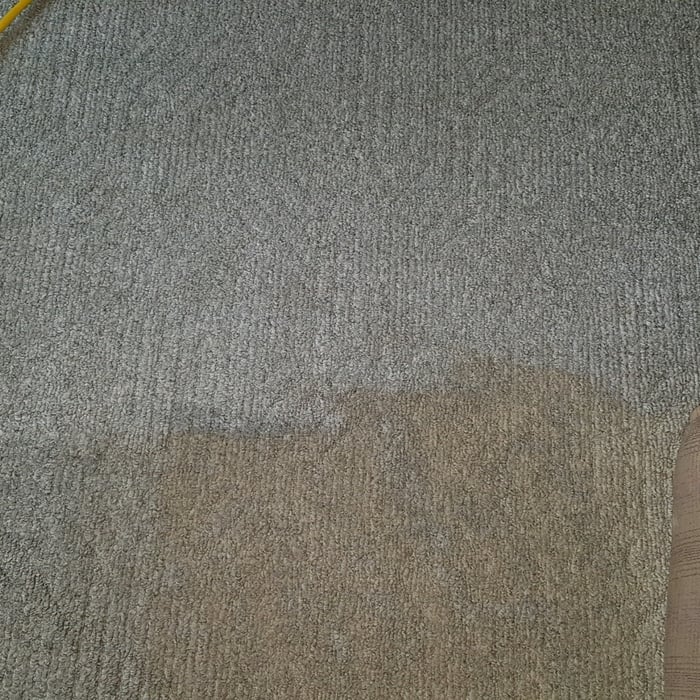
Use baking soda and vinegar or shaving cream to fix your carpet stains. But if you prefer a quicker solution, rent a carpet shampooer and use an enzyme-based cleaner to treat and resolve your discolored carpet issue.
Baking soda is an easy and effective way to deodorize an area rug. For minor odors, sprinkle some baking soda over the rug, brush it in gently with your hand or a microfiber cloth, and let it sit for an hour before vacuuming it out. For persistent odors, mix 1 cup of baking soda with 4 cups of water and spray it evenly over your rug. Let the mixture dry, and then vacuum the rug thoroughly. You can also use a commercial rug deodorizer, but make sure you match the product to your rug material to avoid damage.
With a thorough cleaning, the smell of pet pee may dissipate within about 15 minutes, although in many cases, it may take several days to stop smelling after cleaning up the stain. If you leave a urine spot untreated, it may take up to five years to stop smelling on its own.
One way to sanitize and deodorize a carpet is to use a cleaning solution made from one part vinegar and two parts warm water. After you vacuum, spray the solution on parts of the carpet that smell, being careful not to oversaturate it. Let the solution sit for 15 to 20 minutes before you perform your normal carpet sanitation routine.
The Cooperstown, ND homeowners’ guide to carpet cleaning services
From average costs to expert advice, get all the answers you need to get your job done.

Sometimes, you need to give your carpet a deep clean. This guide breaks down the best way to clean carpet to make your floor sparkle and remove hidden dirt.
Some homeowners wonder if professional carpet cleaning is worth the cost. We break down the pros and cons so you can decide what works best for your home.