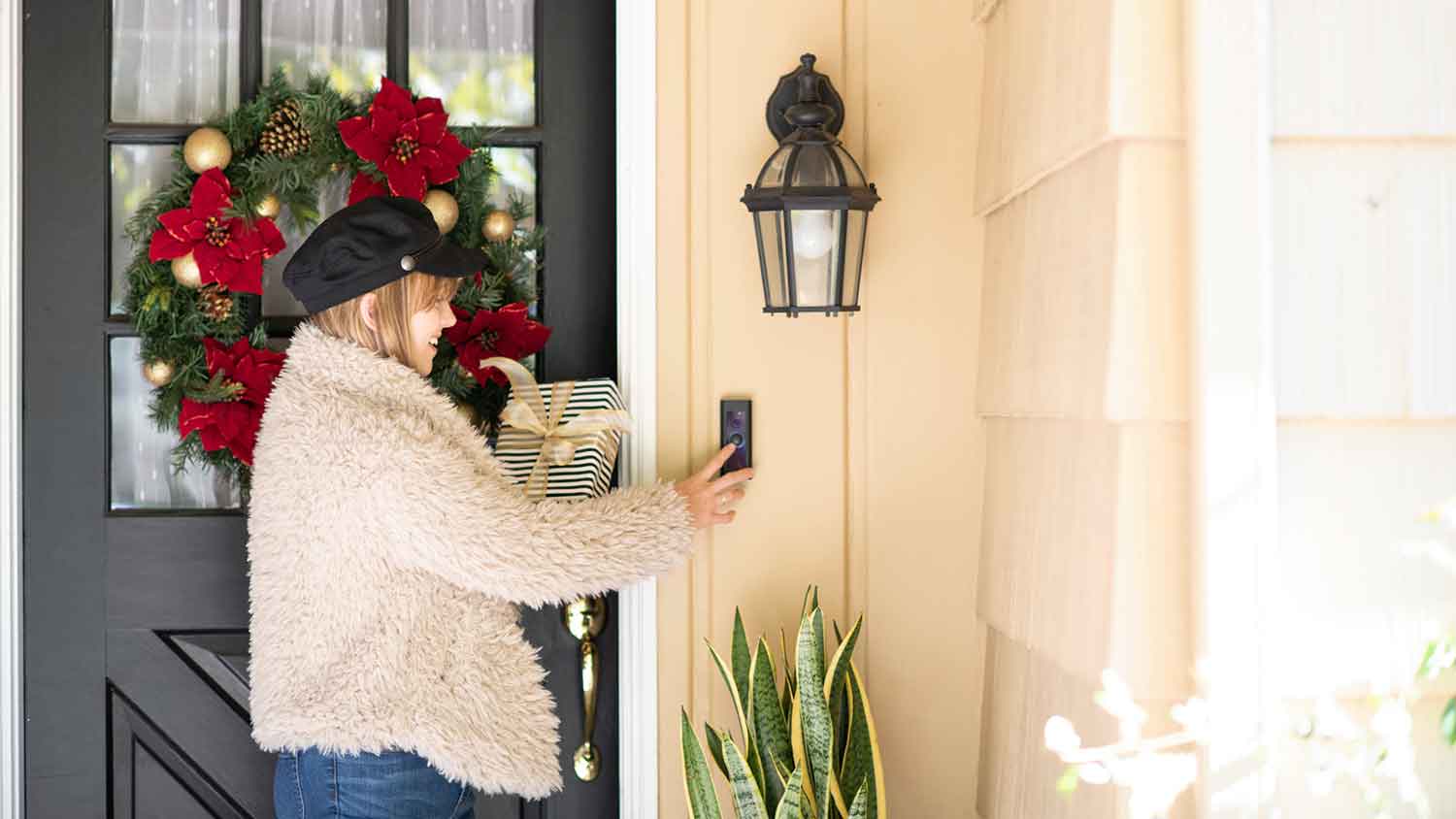
Doorbell Installation questions, answered by experts
A moisture or vapor barrier helps separate the warm air inside your home from the cold air outside of it. Without it, your walls could collect condensation, mold, or other damage. Check your local building codes to see if including an interior vapor barrier is necessary for your building project or renovation, especially for rooms that are likely to be humid, like bathrooms.
Structural insulated panels and rigid foam boards have the highest R-value of any insulation that contractors commonly use, with R-values reaching up to around 8.0. These types of insulation are best in extremely cold climates, but they’re generally preferred for new construction, as they can be challenging to retrofit. Blown-in and loose fill insulation provide the next best insulative value, provided the installation is done properly. It’s important to choose an insulation type that meets your needs based on climate, as maximizing R-value may not always be financially worthwhile if you live in a moderate climate.
The lifespan of crawl space insulation depends on how well you maintain your insulation and the type of insulation. Fiberglass will need replacing every 15 to 20 years on average if you don't have a vapor barrier in place. If you do have vapor barriers in place, then your insulation could last much longer. Spray foam insulation can last anywhere from 80 to 100 years.
For your safety, you should always wear a mask when cutting batts of fiberglass insulation. We also recommend wearing eye protection, safety gloves, and long sleeves to protect your skin. Properly suiting up helps you avoid several fiberglass issues, such as cuts from the tiny shards of glass and inhaling small bits of fiberglass.
R-30 insulation is better for higher thermal resistance, but whether it’s "better" depends on the application. R-30 is much thicker and suited for areas like attics or floors in cold climates, where more insulation is required. R-13, on the other hand, is thinner and works well for 2x4 walls or milder climates where less insulation is sufficient. Choosing between R-13 and R-30 depends on the area being insulated and the climate. For example, R-30 provides more insulation but may not fit everywhere in your home.
The Cooperstown, ND homeowners’ guide to doorbell installation services
From average costs to expert advice, get all the answers you need to get your job done.
Ring a bell? From replacing a wired doorbell to setting up a smart home system, learn about typical doorbell installation costs, including materials and labor.
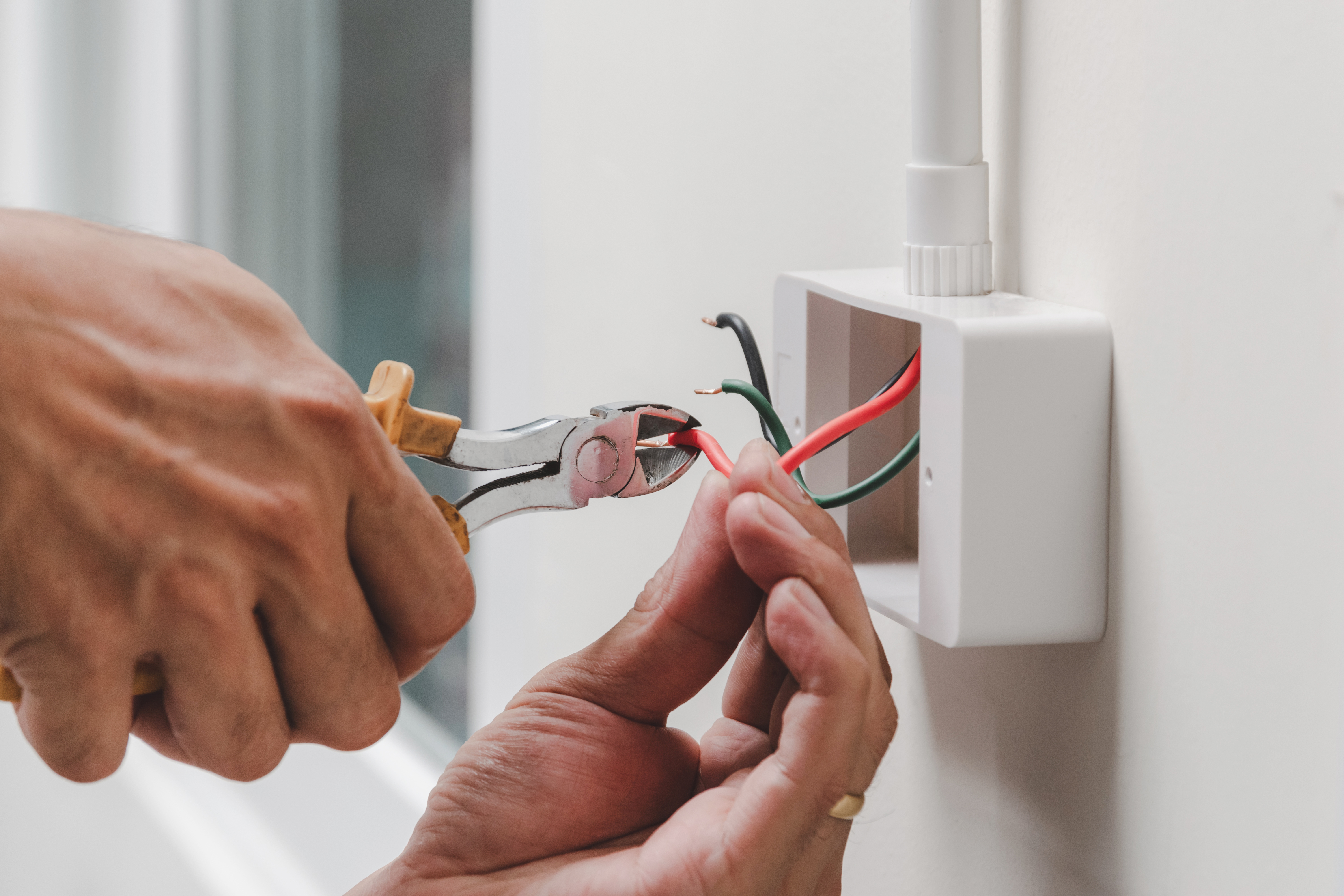
How much does it cost to install a doorbell camera? It depends on whether you plan to DIY or hire a pro. Learn about different models and their power sources, too.
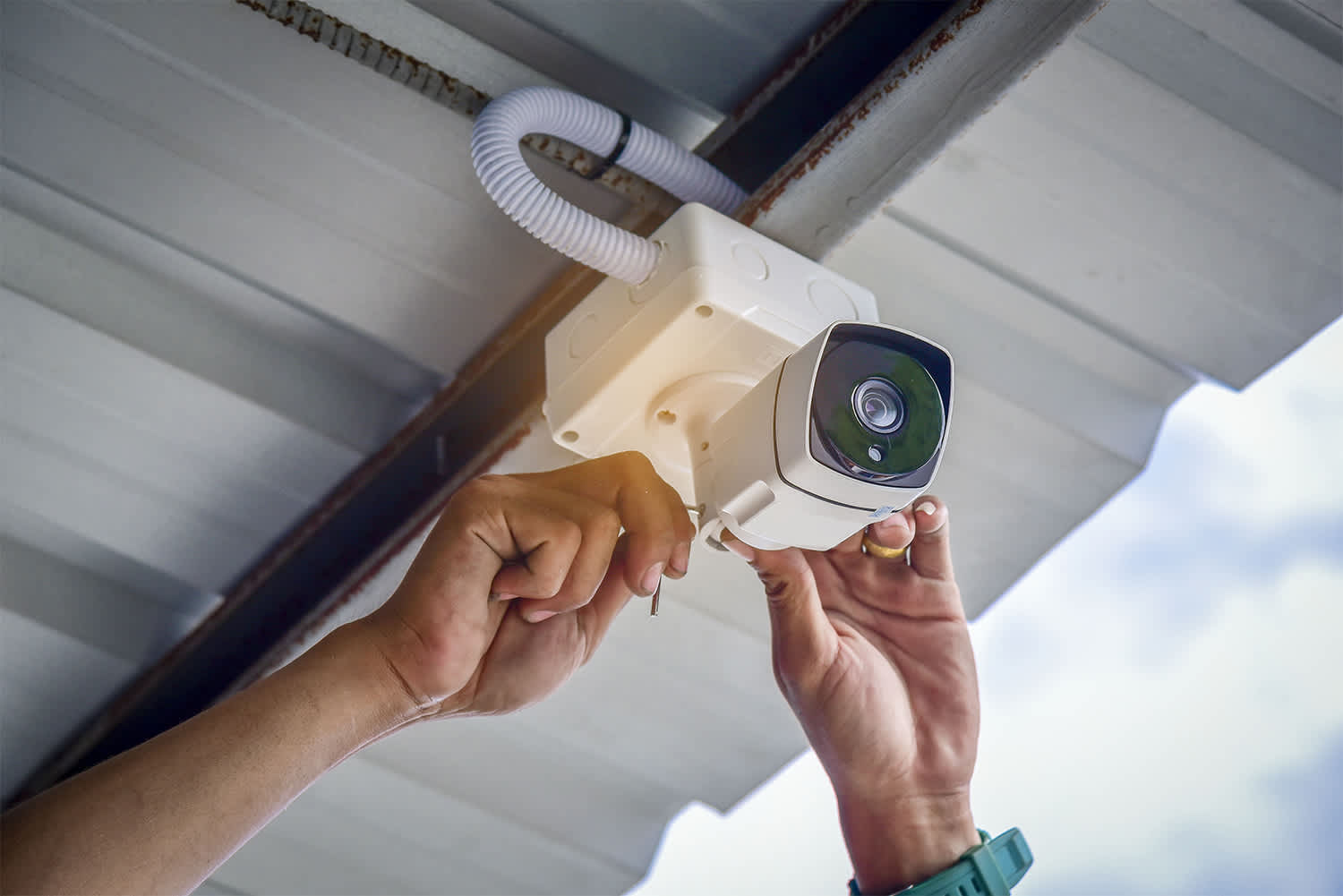
Doorbell wiring is a project you can DIY. This guide covers everything you need to know, from different types of doorbells to wiring, and how to remove an old doorbell.

Ready to upgrade your front door and learn how to wire a doorbell? You may be able to handle this relatively simple DIY installation without an electrician.