Doorbell Installation questions, answered by experts
Costs depend on area size, material thickness, and site preparation needs.
On average, insulating an attic costs about $2,500, with a typical range of $1,500 to $3,500. The final price often depends on the attic's size, with costs generally falling between $1 to $3 per square foot. For example, insulating a 1,800-square-foot attic would likely cost between $1,800 and $5,400.
If the project involves removing old insulation, this can add an average of $900 to the total cost, bringing a full removal and reinsulation project to around $3,000.
Several factors influence the overall cost:
Insulation Type: Prices per square foot vary significantly by material.
Reflective: $0.50–$1.50
Blown-in: $1–$4
Batt: $2–$4
Loose-fill: $2–$5
Spray foam: $2–$5
Structural insulated panels (SIPs): $4–$7
Project Complexity: Factors like sealing air leaks, poor attic accessibility, and required inspections can add to the cost.
Removal Issues: The discovery of mold, asbestos, or pests during the removal of old insulation can substantially increase the price.
Each of the three types of wool insulation has particular disadvantages. While their R-value is higher, they all cost more than fiberglass versions. Installing mineral wool and sheep wool requires protective gear. Because of its vulnerability to insects, chemicals are used in its production. Hemp wool is more costly to install than other types because additional tools and labor are involved.
The most affordable way to insulate a garage involves choosing cost-effective materials like fiberglass, which comes in batts or rolls and is relatively easy to install. You can often install this type of insulation without needing to add drywall, which helps reduce costs. While a DIY approach might seem cheapest, hiring a professional installer can be highly cost-effective. Experts can accurately determine your garage's specific insulation needs and ensure the best results for your investment, often using batt insulation for the bulk of the project.
Yes. Proper, complete insulation will ensure that you trap the most cool or warm air inside your home, preventing high energy bills. In addition, insulation tends to settle and compress, leaving gaps over time; the more you insulate completely during the initial installation, the less you’ll need to do down the line.
The Larimore, ND homeowners’ guide to doorbell installation services
From average costs to expert advice, get all the answers you need to get your job done.
Ring a bell? From replacing a wired doorbell to setting up a smart home system, learn about typical doorbell installation costs, including materials and labor.

How much does it cost to install a doorbell camera? It depends on whether you plan to DIY or hire a pro. Learn about different models and their power sources, too.
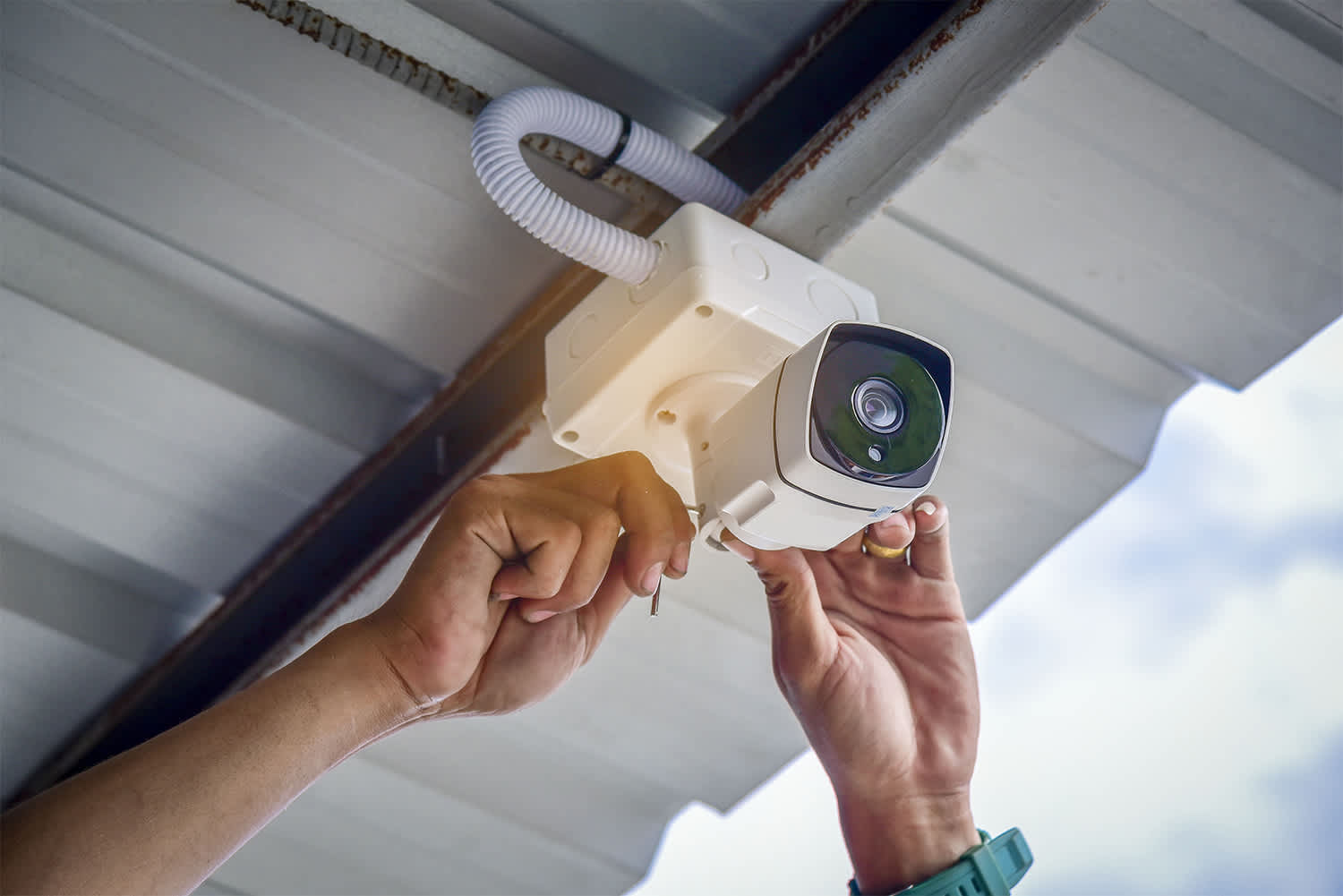
Doorbell wiring is a project you can DIY. This guide covers everything you need to know, from different types of doorbells to wiring, and how to remove an old doorbell.
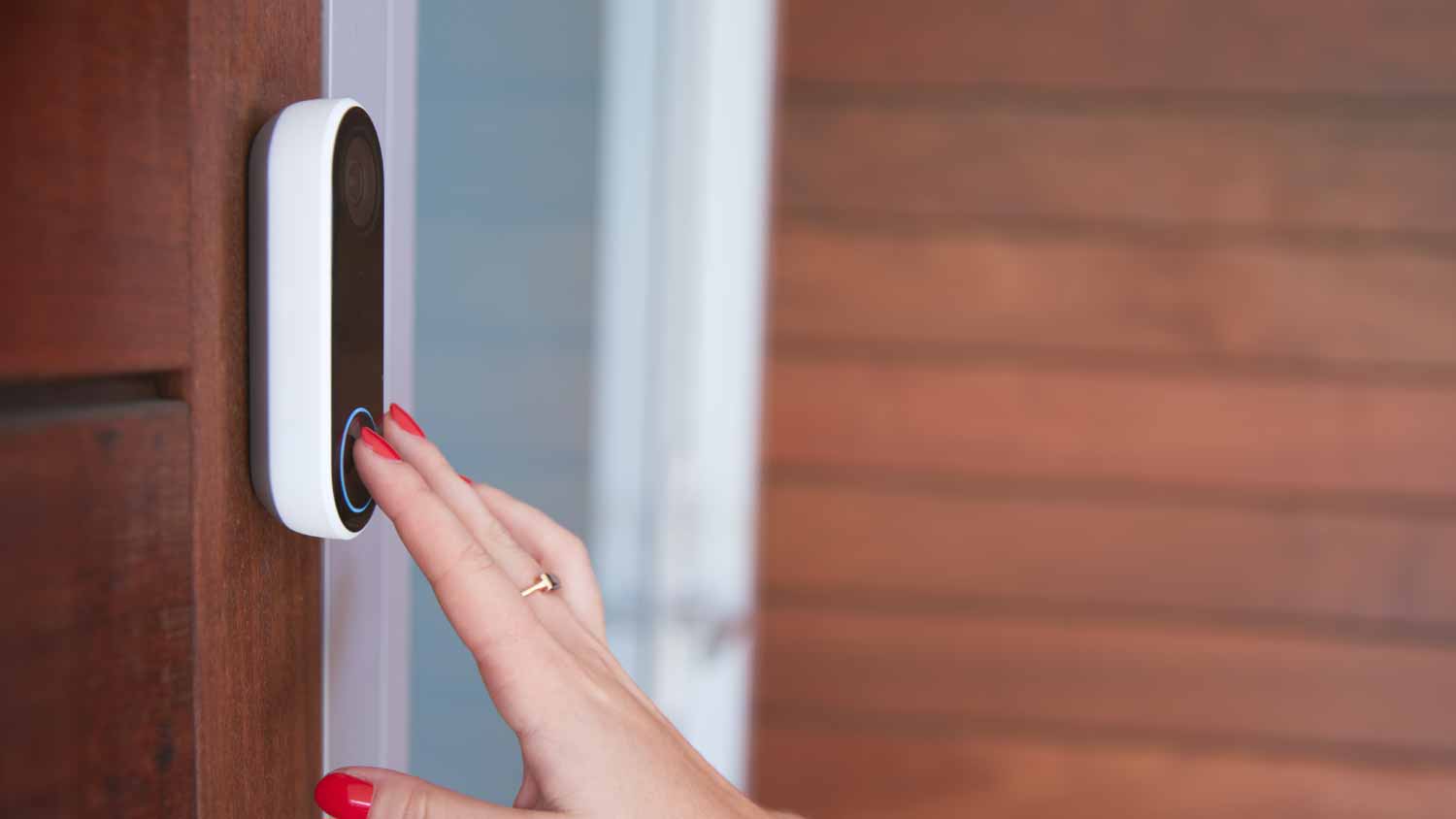
Ready to upgrade your front door and learn how to wire a doorbell? You may be able to handle this relatively simple DIY installation without an electrician.