"We pay yearly but we have this is included with our rental property. They are pretty good on most things. We had a hot water heater replaced and they did an excellent job on that. They are very quick on their response. They dont come out here. It is all done on the internet. I just like the idea that one time service charge is so much better than trying to hiring someone to come in. It is more about convenience. It pays for itself."
The average cost to replace a water heater is around $1,325, with a typical range of $900 to $1,800 for a standard replacement. The final price depends on the type of heater (tank vs. tankless), its size, fuel source (gas or electric), and the complexity of the installation. A simple one-to-one replacement will be on the lower end of the cost spectrum. However, if you are switching from one type of heater or energy source to another, you can expect labor costs to be significantly higher due to the extra work involved. It's also worth considering that while gas and electric heaters may have similar upfront costs, their long-term operating costs can differ based on local utility prices.
The amount of time it takes to replace an electric water heater will depend on the skill level of the individual who is replacing it. For example, if you replace it yourself–and you don’t have much experience–you can expect the project to take a full day.
However, if you have a certified plumber or water heater contractor install your new water heater, it can take as little as 2 to 3 hours.
Yes, a heat pump water heater can work in colder climates but it’s much more effective where it’s warm. The reason is that the heat pump needs ambient warmth in the air to compress. The less warmth, the more compression required, thus using more electricity and offsetting the energy-efficient benefits.
Newer models are packed with newer technologies that decrease energy consumption and increase output, giving you more bang for your buck in more bills than one.
If you’re trying to decide whether you want to repair or replace your new heater, consider factors like your utility bills, repair costs, and even your carbon footprint to help you decide whether it makes sense to buy a new one instead.
We recommend you turn off the unit, the power, and the water supply as soon as you notice a leak. Your water heater tank should have a dedicated shut-off valve located on the cold inlet pipes. If the valve is broken or inoperable, use the shut-off valve to your home's main water supply to stop the flow to the entire house.
Avoid touching valves or pipes directly without confirming if they are hot. Wear gloves and other safety gear to keep from coming into contact with hot levers or components when turning off your leaking water heater.
The Cando, ND homeowners’ guide to water heater services
From average costs to expert advice, get all the answers you need to get your job done.
A water heater flush costs $160 on average but can vary based on the unit size, type, labor, location, and more. Keep reading to learn how much you could pay.
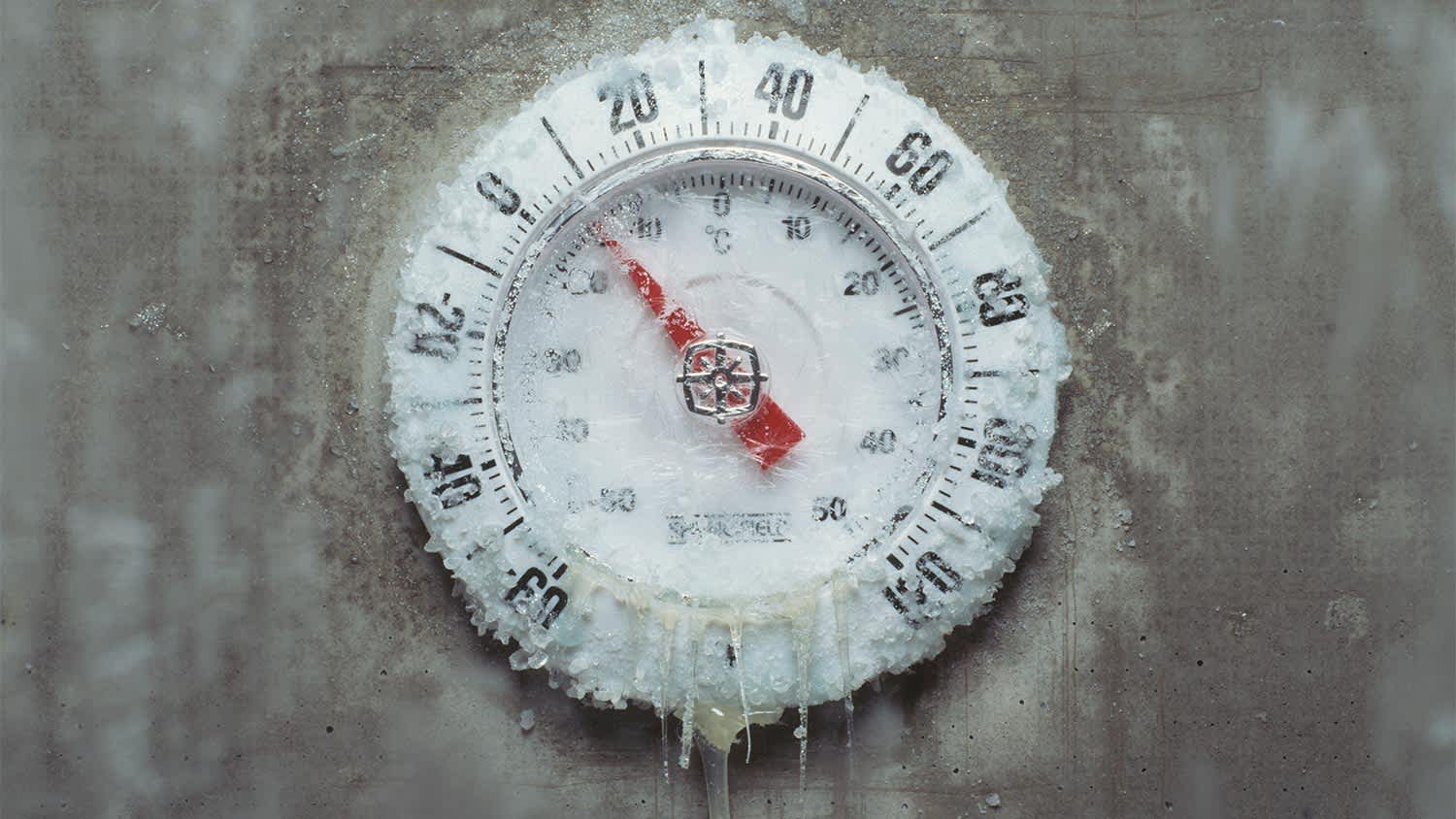
Worried your water heater might freeze this winter? Learn to spot the warning signs and how to safely thaw your tank or tankless system out if necessary.
Hybrid water heaters will have you weighing high initial costs versus long-term savings. Is it the right option for you? Explore the pros and cons of hybrid water heaters.
The average lifespan of water heaters is 6 to 15 years for conventional models and up to 20 for tankless ones, but it can be less if they are not properly maintained.