

Top-rated biohazard remediation specialists.

Best biohazard remediation specialists near Winfall, NC

Enter your zip and get matched with up to 5 pros

Need a pro for your biohazard remediation project in Winfall, NC?

Select your specific project to find the pro for you.

Top-Rated Biohazard remediation specialists in Winfall - Updated Nov 2026

Avatar for 7 Sounds Restoration
7 Sounds Restoration
5.0(
13
)
Mold & Toxic Material TestToxicity and Mold - RemovalIndoor Air Quality Testing+1 more

Serving Winfall, NC and surrounding areas

Approved

In business since 2023

Emergency services offered

Credit card accepted

"Roy and his team were a pleasure to work with. After purchasing a beach house in Kill Devil Hills we discovered that squirrels were living in the attic which seemed like it was going to severely hurt my renovation budget. Roy and his team went above and beyond what other restoration companies would do. They cleaned, disinfected, reinforced the entry point, and replaced the insulation. They even reconnected duct work and additional repairs while they were up there. Not only did they complete the work within budget and scope but the insight, transparency, and assistance were invaluable. Roy treats his customers like long time friends and is happy to do whatever it takes to get the desired result. So thankful I found 7 sounds restoration. 11/10 stars and will definitely hire again for future projects."
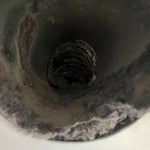
vent #1
vent #1
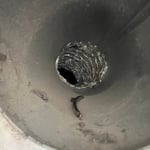
Vent #2
Vent #2
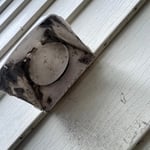
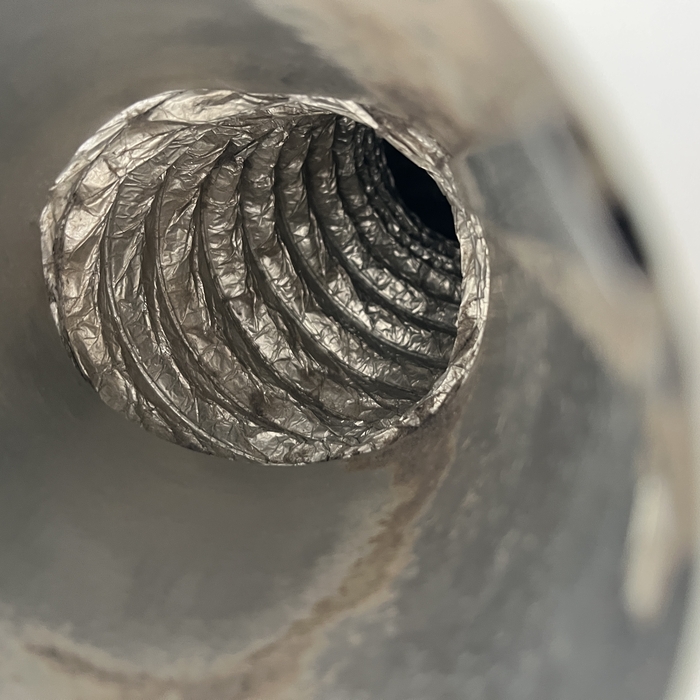
Vent #1

+23

Response time9 hrs
Response rate93%
22 neighbors recently requested a quote
Avatar for ZeroMold
ZeroMold
4.9(
43
)
Toxicity and Mold - Removal

Serving Winfall, NC and surrounding areas

In business since 2005

Free estimates

Warranties offered

"I received high quotes up to $10,000 to remedy my crawlspace from mold. Though each quote did say my crawlspace was not bad and rated it between a 2 and 3 with 10 being bad. So I went with Zero Mold to fog my crawlspace. It was quick, easy and financially affordable. I can now work out a plan to change my insulation and change my vapor barrier as I go instead of laying out a huge chunk of money."
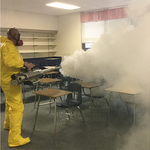
Fogging Process
Fogging Process
Commercial Fogging
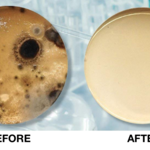
Molded Petri Dish Before and After
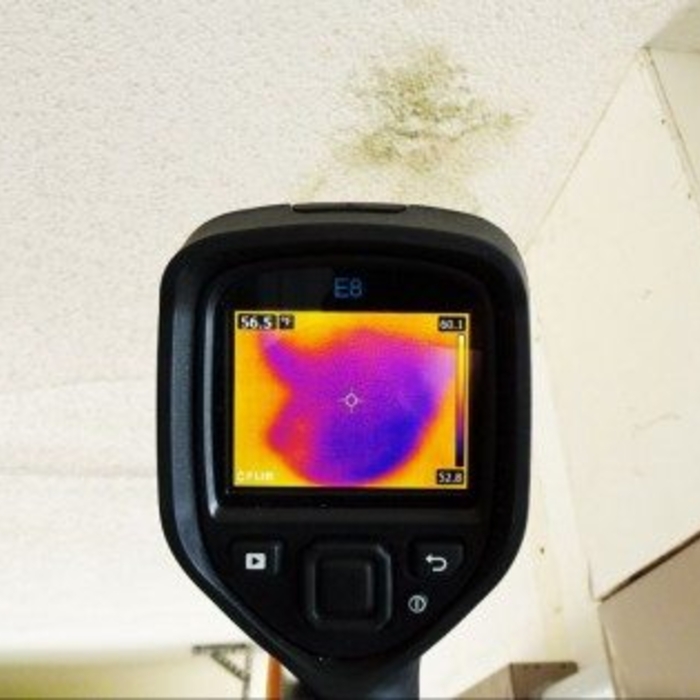
Inspection

+4

Response time4 hrs
Recommended by100%of homeowners
Showing 1-10 of 30
Biohazard Remediation FAQs, answered by experts

If you’re worried mold might still be lingering after you’ve cleaned your items, here are signs to watch for:

  • Musty smell

  • Visible spots or stains

  • Allergy symptoms when you’re around the item

  • Damp or sticky feel.

If you notice these signs, it might be time to let go of the item or get professional treatment.

Water damage doesn’t always cause mold and wood rot, but it can. Both mold and wood rot require moisture in the wood to form, so water damage that continues to leave water or moisture behind can lead to both issues. Water damage and mold often go hand-in-hand, but you can prevent mold growth after water damage by addressing the source of moisture and drying out the area quickly. The same goes for wood rot. The longer you let water damage go, the higher the risk of mold and rot.

Most grass mold isn’t harmful to humans. Slime molds in particular aren’t toxic and may even possess some benefits. Other molds, like powdery mildew and snow mold, generally aren’t a concern, but can still cause allergic reactions and respiratory distress in those with high allergy risk and compromised immune systems.  

Embarking on a kitchen demolition comes with its share of risks to keep in mind. Think of potential encounters with asbestos, sharp objects, and power tools—not to mention the peril of structures wobbling or unexpected plumbing surprises. And, of course, you will be surrounded by dust and debris throughout the process. All of the above makes safety gear necessary, or you can consider hiring a qualified professional.

Black mold and wood rot are both types of fungi that thrive in damp areas, but they are distinct issues with different consequences. Wood rot specifically refers to the decay of wood caused by fungi, which compromises the wood's structural integrity. Black mold, on the other hand, is a fungus that grows on the surface of materials, including both rotting and non-rotting wood. The primary difference is their impact: wood rot affects the wood's structure, while toxic black mold is a health hazard. Inhaling black mold spores can cause severe respiratory issues, whereas wood rot spores are generally not harmful to people. Because mold can grow on rotting wood, the two issues can be interconnected, but they are not the same.

The Winfall, NC homeowners’ guide to biohazard remediation services

From average costs to expert advice, get all the answers you need to get your job done.