


Top-rated generator install pros.

Best generator install pros near Whiteville, NC

Enter your zip and get matched with up to 5 pros

Need a pro for your generator install project in Whiteville, NC?

Select your specific project to find the pro for you.

Top-Rated Generator install pros in Whiteville - Updated Nov 2026

Avatar for Bagley Electric Company
Bagley Electric Company
5.0(
1
)
Fixed Generator - InstallPortable Generator - Install

Serving Whiteville, NC and surrounding areas

Approved

In business since 1967

Free estimates

Offers commercial services

"I have hired Tim for several projects both residential and commercial. He has performed jobs such as: Commercial: 1. Power and lighting for a 32 test bay facility for medical equipment. From 480v 3 phase to power the machines to 120v for auxiliary equipment. 2. A 12 slot power grid for medical equipment trailers. 3. Running 220v power for the packing machines in the logistics area. Residential: 1. The power and lighting requirements for a master bathroom remodel. 2. Set up the main breaker panel to allow for a portable generator to run key appliances during a power outage. In every case Tim and his crew have been on time, thorough, clean, quick. He charges fair rates that beat the competition. I will use Tim for all my electrical needs."
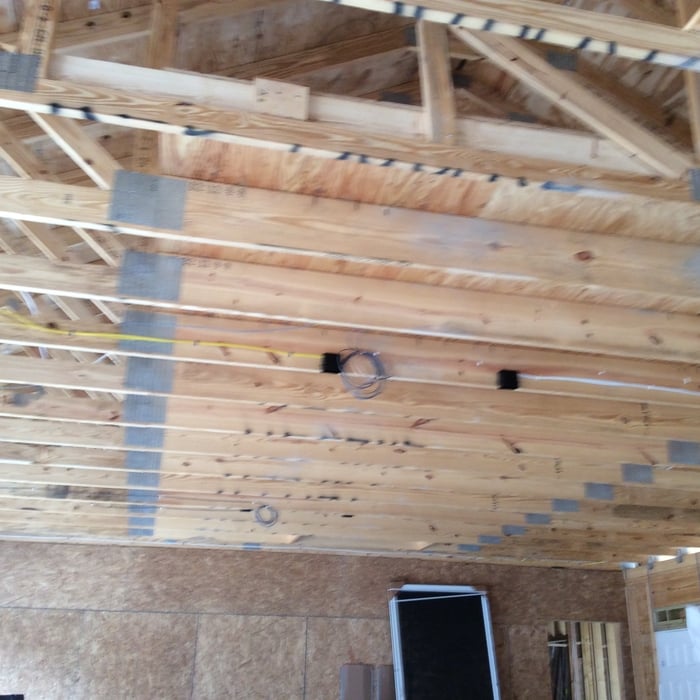
Electrical Projects
Electrical Projects
Electrical Projects
Electrical Projects
Electrical Projects

+7

Avatar for Shield Electric, LLC
Shield Electric, LLC
5.0(
3
)
Fixed Generator - InstallFixed Generator - RepairGenerator - Repair - For Business+1 more

Serving Whiteville, NC and surrounding areas

In business since 2024

Free estimates

Warranties offered

"Review: I recently had an EV charger installed at my home, and I couldn’t be more pleased with the service. Shield electric was professional, knowledgeable, and efficient throughout the entire process. The installation was completed flawlessly, and everything was left clean and organized. Our electrician took the time to explain the setup and ensured everything was working perfectly before leaving. I highly recommend him for anyone in need of electrical work, especially EV charger installations!"
Response time3 hrs
Response rate86%
Avatar for Phillip Keith Davis
Phillip Keith Davis
5.0(
4
)
Fixed Generator - InstallFixed Generator - Repair

Serving Whiteville, NC and surrounding areas

In business since 2000

Credit card accepted

Offers commercial services

"He received the notice early on Saturday morning and called within an hour. He was at my house to get the estimate done an hour after that. We agreed to have the install done the following Friday to give him time to get the permits done. He and his son we exactly on time and the price was actually lower than I anticipated. A totally professional job. This guy is on my list for my next electrical job."
Wright Electrican
New to Angi
Fixed Generator - RepairGenerator - Repair - For BusinessPortable Generator - Repair

Serving Whiteville, NC and surrounding areas

In business since 2017

Free estimates

Credit card accepted

We have the experience and we are committed to providing quality workmanship and superior customer service on all our applications. We at Wright Electrian strive to maintain our reputation as a high quality, very service oriented company with our main focus being customer satisfaction. \n

Showing 1-10 of 17
Generator Install FAQs, answered by experts

To determine the right size generator for your house, you should calculate the total wattage of the appliances and devices you want to power during an outage. List all essential items, note their start-up wattages, and add them together.

Here are some typical wattage requirements for common appliances:

  • Refrigerator: 600 watts

  • Large dehumidifier: 700 watts

  • Large window air conditioner: 1,400 watts

  • Water heater: 3,000 to 4,500 watts

  • Electric furnace: 5,000 to 25,000 watts

A 7,500-watt generator might be sufficient for essentials like a refrigerator, freezer, well pump, and lighting circuits. However, for high-demand items like a water heater or furnace, a whole-home generator is a better choice. A portable generator may be enough if you only need to power a few critical items.

While home square footage can offer a rough estimate, it is not always a reliable indicator. For reference, here are some typical generator sizes based on square footage:

  • 1,000 sq ft: 6–9 kW

  • 1,500 sq ft: 7–10 kW

  • 2,000 sq ft: 10–14 kW

  • 2,500 sq ft: 12–16 kW

  • 3,000 sq ft: 16–20 kW+

For the most accurate sizing, consult a professional who can calculate your home's peak and average power consumption and recommend the optimal generator.

In some situations, yes. Never try to put biofuel into any home generator without checking the specifics first. If a generator has the ability to run on diesel, it can also run pure biofuel (the clear kind made from seed oils, for example). But if you are using biofuel made from animal fats or vegetable oils, the generator will need significant modifications before it can handle a sludgier type of biofuel.

While standby generators provide essential backup power, they can fail when you need them most due to lack of maintenance, fuel supply issues, dead batteries, electrical problems, or improper installation. To avoid costly failures, professional installation and regular maintenance are crucial. Licensed technicians ensure safety, uphold warranty requirements, comply with regulations, and provide expert servicing.

A 10,000-watt generator can run a small to mid-sized central AC unit (typically up to 3 tons or 36,000 BTU) along with a few other appliances. However, larger AC units or additional loads will require a bigger generator. Consult a local generator installer to ensure you add the correct size generator to your home.

Generators are safe to use as long as they are installed and operated correctly according to the manufacturer's recommendations. The most critical safety tips are to never use a portable or fuel-powered generator inside an enclosed space due to the risk of lethal carbon monoxide poisoning; always operate it outdoors where fumes can dissipate away from your home. Additionally, never attempt to connect a generator to your home’s electrical panel yourself—hire a professional to ensure the setup meets safety standards. Finally, avoid overloading the generator by not connecting more appliances than it is rated for, as this can damage your equipment or cause a fire.

The Whiteville, NC homeowners’ guide to generator installs

From average costs to expert advice, get all the answers you need to get your job done.