




Top-rated bird control service pros.

Get matched with top bird control service pros in Tar Heel, NC

Enter your zip and get matched with up to 5 pros

Need a pro for your bird control service project in Tar Heel, NC?

Select your specific project to find the pro for you.

TRUSTED BY TAR HEEL, NC HOMEOWNERS

  • Average homeowner rating star icon4.8
    Average homeowner rating
  • Verified reviews icon40
    Verified bird control services reviews

Find Bird control service pros in Tar Heel

Bird Control questions, answered by experts

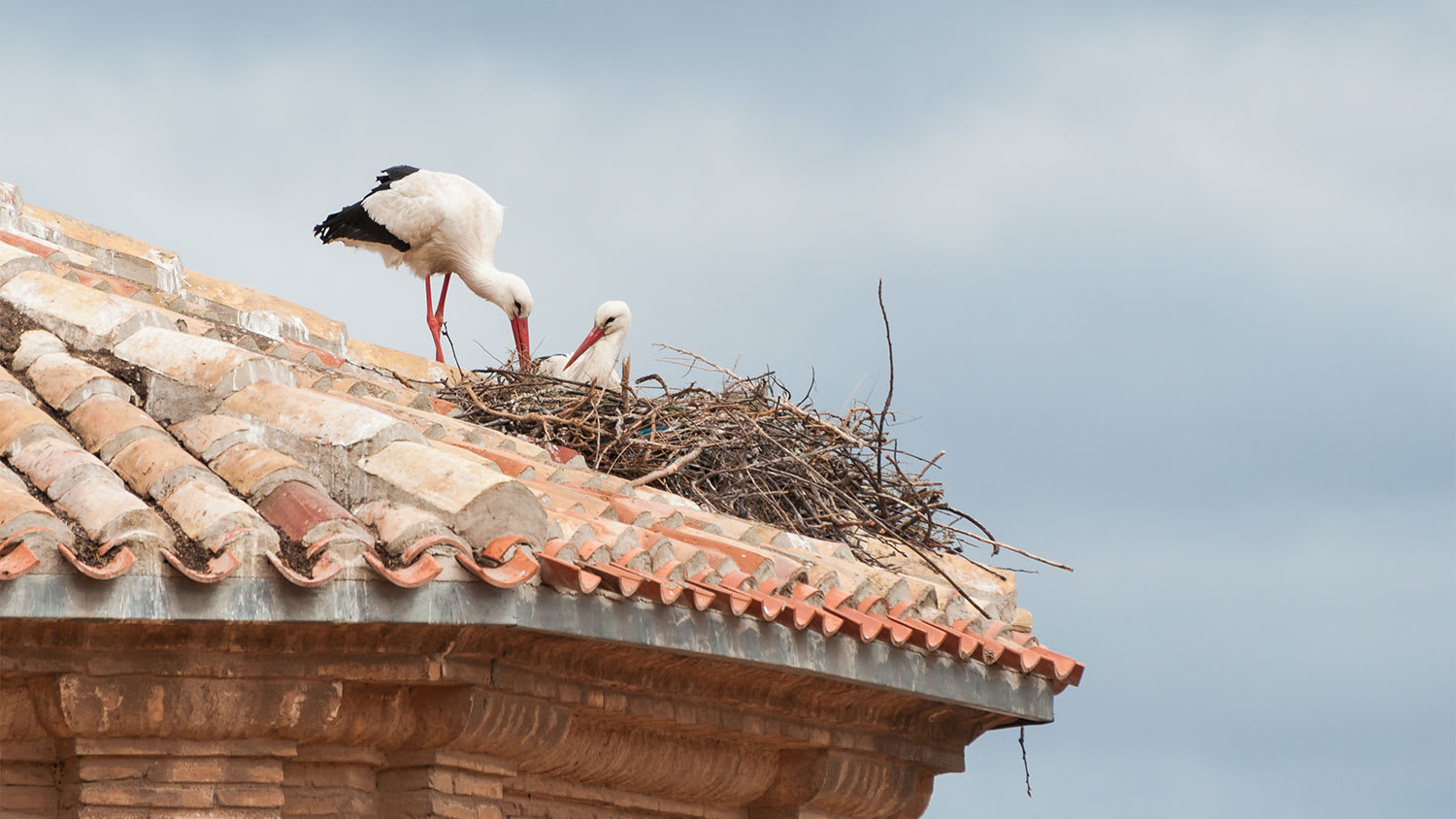
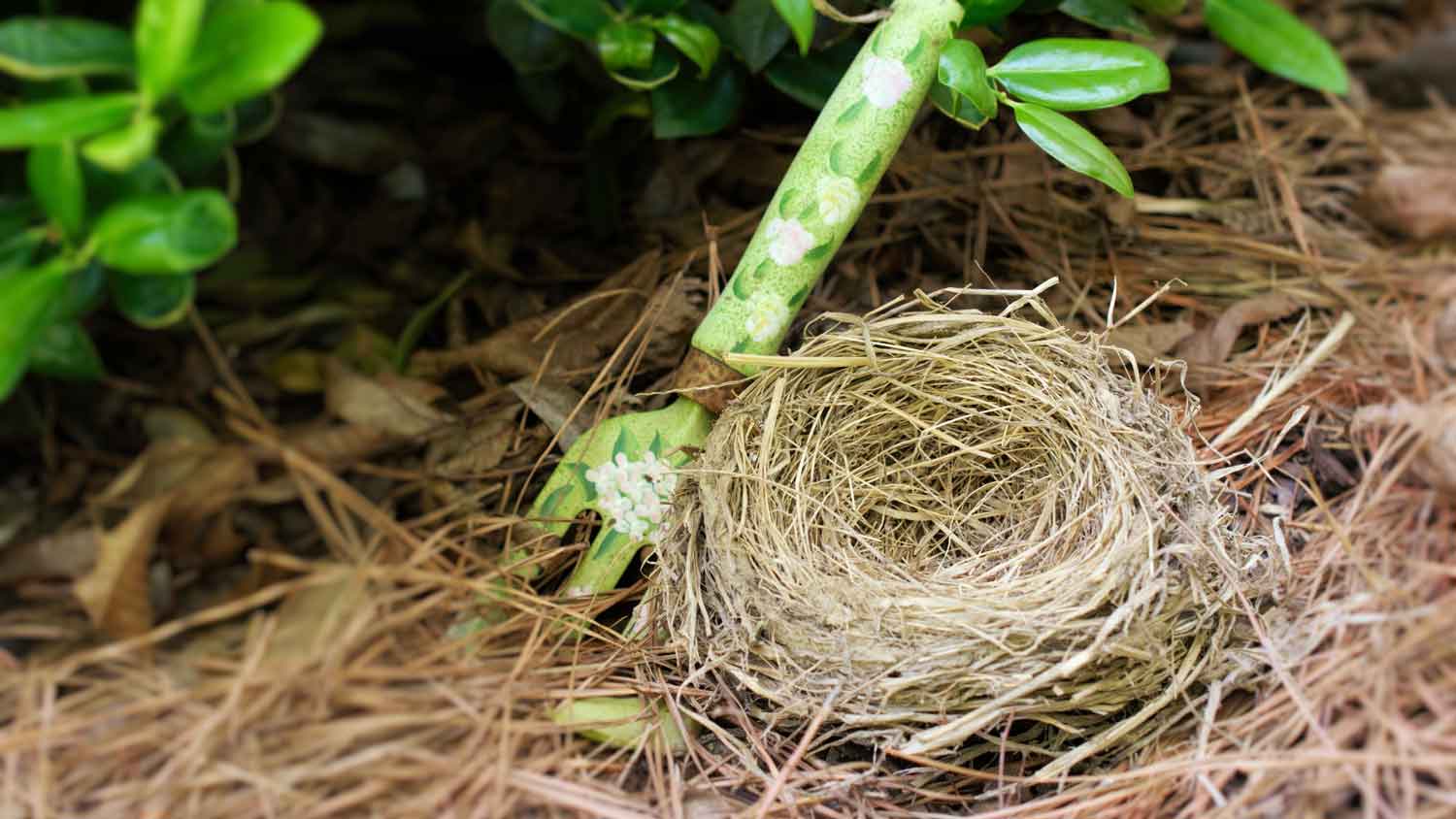
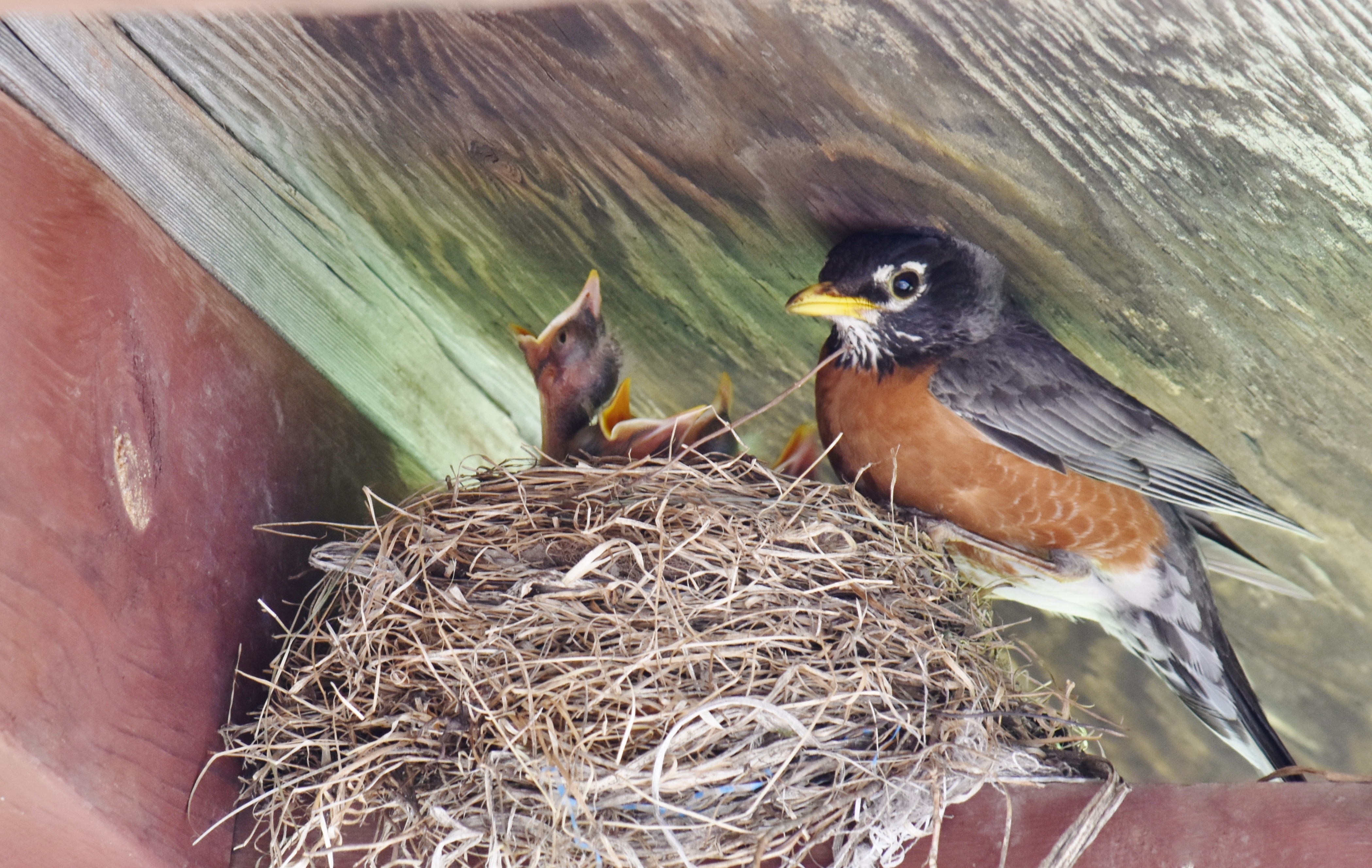
The lifespan of a bird's nest depends on the species. The building process can take from two days to three weeks. Once built, the nesting period for baby birds can last from two to ten weeks before they leave the nest. While most young birds are ready in two to six weeks, some predatory species may need up to two and a half months. Some species nest four to five times per year, so a nest could remain in use for several months. For specific information about a particular nest's longevity, it is best to consult a wildlife professional.

Hawks might seem like fearless predators, but these smart birds do know what other animals to be cautious around. Hawks are naturally wary of humans and predators that see them or their eggs as a potential meal or threat. This list includes owls, crows, eagles, and even snakes or raccoons.

Costs depend on infestation severity, business size, treatment type, and frequency of service.

It's advisable to avoid using harmful methods to eliminate birds. Poisoning birds is inhumane and can have unintended ecological consequences, affecting other wildlife and pets. Similarly, using firearms or other lethal means poses safety risks and could be illegal in many areas. Sticky substances like adhesives can cause birds to become trapped and injured. Lastly, playing excessively loud or distressing noises can stress birds and humans. Focusing on humane and environmentally responsible strategies is essential when dealing with bird issues.

It can be difficult to know what type of animal is in your attic until you see it. But several clues can help you narrow down the suspects:

  • Sounds: Smaller animals like rats and mice make scurrying and tapping/gnawing sounds. Larger animals like raccoons and opossums make louder clambering noises. Also, note when animals are noisy: Squirrels are active during the day, while rats are busiest at night.

  • Droppings: Rats and mice leave small, rice-shaped droppings (the rat’s version is significantly larger). Bigger droppings belong to larger critters like raccoons. As long as you’re not squeamish, an image search can help you identify what you’re seeing in your attic.

When in doubt, take photos of damage or other evidence and show them to an experienced pest control pro.

The Tar Heel, NC homeowners’ guide to bird control services

From average costs to expert advice, get all the answers you need to get your job done.