


Top-rated bird control service pros.

Get matched with top bird control service pros in Raeford, NC

Enter your zip and get matched with up to 5 pros

Need a pro for your bird control service project in Raeford, NC?

Select your specific project to find the pro for you.

TRUSTED BY RAEFORD, NC HOMEOWNERS

  • Average homeowner rating star icon4.7
    Average homeowner rating
  • Verified reviews icon163
    Verified bird control services reviews

Find Bird control service pros in Raeford

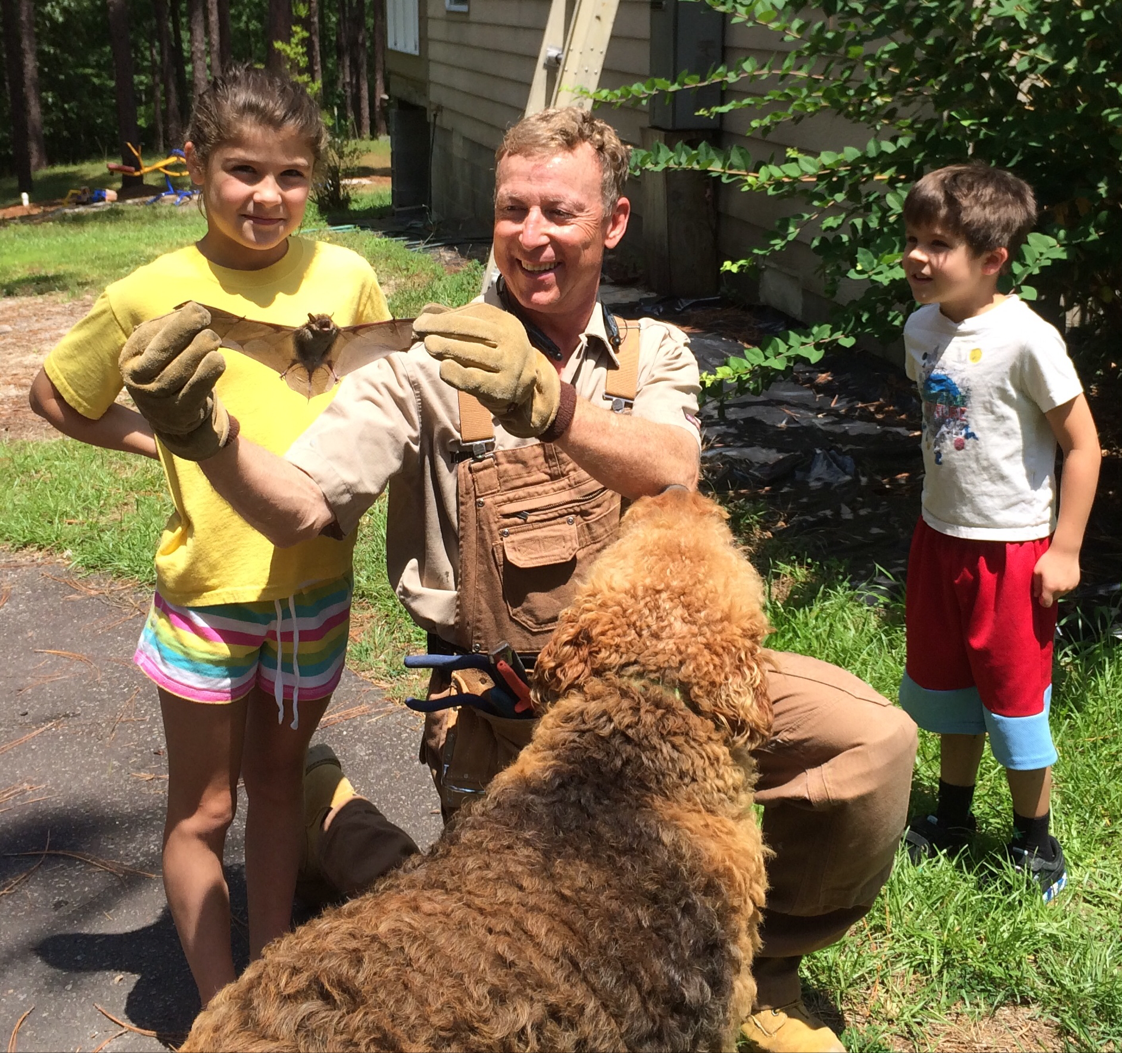
Avatar for Cape Fear Wildlife Control
Cape Fear Wildlife Control
5.0(
18
)
Pest Control - Birds and BatsPest Control - Birds and Bats - For Business

Serving Raeford, NC and surrounding areas

In business since 1998

Free estimates

Emergency services offered

"we called becouse we had something raising heck in our attic. The young man came out and did an outstanding getting the problem fixed If we ever need someone to get rid of an animal out of our attic. We will call CAPE FEAR WILDLIFE CONTROL. The young man was always on time and worked real fast."
Response time8 hrs
Recommended by84%of homeowners
Wild Science Solutions, LLC.
New to Angi
Pest Control - Birds and BatsPest Control - Birds and Bats - For Business

Serving Raeford, NC and surrounding areas

In business since 2015

Credit card accepted

Welcome to Wild Science Solutions, LLC! We take pride in the quality of work and customer satisfaction that we give each and every customer! We are known to pay exquisite attention to detail while making customer satisfaction our top priority. Call us today to learn more about how we can help you!

Bird Control questions, answered by experts

Identifying the specific animal running on your roof at night can be challenging without direct observation. Common nocturnal roof visitors include raccoons, squirrels, opossums, and rats. Raccoons are bigger and can create heavy thumping sounds. Squirrels are agile and may produce rapid scurrying noises. Opossums tend to move stealthily with less noise. Rats can make scratching or gnawing sounds. To determine the culprit, look for signs like footprints, droppings, or damaged areas near the roof. For accurate identification, consult a pest control professional or set up wildlife cameras near potential entry points.

There are DIY methods and store-bought pesticides available for the public to use. However, these pesticides also come with a risk, and you need to follow the directions correctly and take precautionary measures to prevent exposure to these chemicals. These methods may be an option for small pest problems, but you should call in a pest control specialist for persistent pests and infestations.

The cost of pest control services depends on various factors, but the average homeowner pays around $175, with a typical range of $100 to $500. Your final cost will be influenced by the type of pest, the size and severity of the infestation, and the number of treatments needed.

Service costs also vary by frequency:

  • One-time service: $300–$550

  • Initial visit for ongoing service: $150–$300

  • Monthly visits: $40–$70

  • Quarterly visits: $100–$300

  • Annual visits: $300–$550

For specific pest examples, getting rid of spiders typically costs between $100 and $300, whereas a termite infestation can cost from $230 to $2,500 or more, depending on the extent of the damage.

When woodpeckers start banging on your walls or roof, they are probably looking for insects to eat, storing nuts for winter, drilling a hole to make a nest, or communicating with other birds to establish territory or find a mate.

The size of the hole can help determine the reason for the pecking. Small irregular holes are a result of insect hunts. Acorn holes are more consistently sized and often fitted with a nut in the middle. Nest holes are large and have rounded edges. If the bird is pecking to mark its territory or attract a mate, it may leave dents rather than holes, and the noise will stop when the mating season starts in spring.

Trees that provide a habitat to bats and an abundance of bugs—their main food source—will attract bats to your yard. Because the North American landscape has changed so much in recent years, bats have a harder time finding trees with cavities to shelter in. If your yard has a dead or dying tree with a lot of sun exposure, bats will likely be drawn to it because trees with those features are less common.

The Raeford, NC homeowners’ guide to bird control services

From average costs to expert advice, get all the answers you need to get your job done.