
Top-rated biohazard remediation specialists.

Get matched with top biohazard remediation specialists in Simpson, NC

Enter your zip and get matched with up to 5 pros

Need a pro for your biohazard remediation project in Simpson, NC?

Select your specific project to find the pro for you.

TRUSTED BY SIMPSON, NC HOMEOWNERS

  • Average homeowner rating star icon4.4
    Average homeowner rating
  • Verified reviews icon18
    Verified biohazard remediation services reviews

Find Biohazard remediation specialists in Simpson

M&D Property Solutions
4.5(
23
)
Radon Gas - Abatement

Serving Simpson, NC and surrounding areas

Approved

In business since 2017

Emergency services offered

Warranties offered

"It has worked out so well for me and my family. And yeah, please do it all day. Please let me know if I can help. Please let me know when I get home, and I will be home in the next few days. Please let me know when I can get you. Please let me know when I get back. Please let me know if I need anything else. Please let me know if I can get you a text or text me or text or call me when I can."
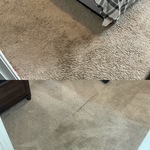
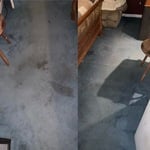
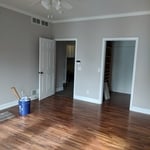
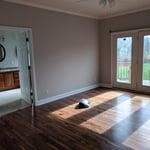
Master bedroom
Master bedroom
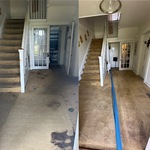
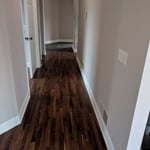
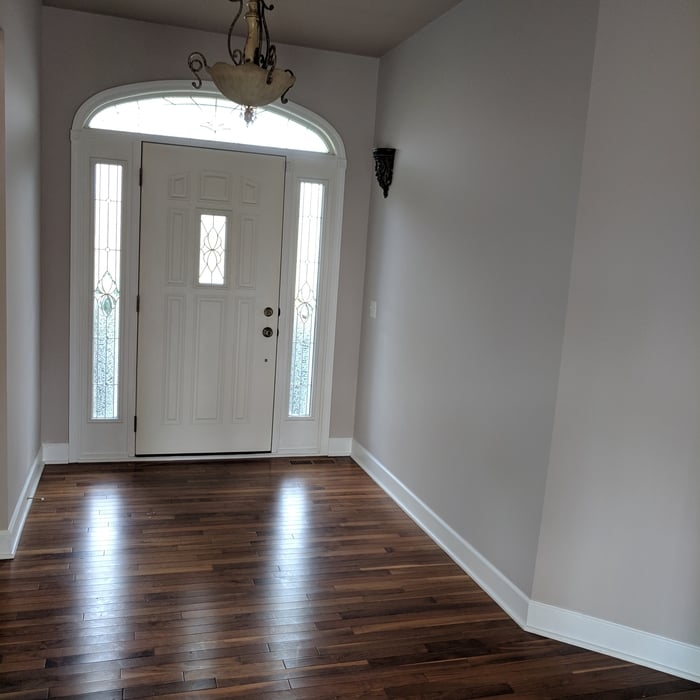
Front hall
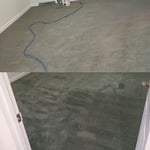
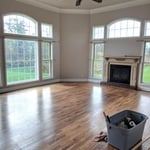
Living area
Entry

+10

Response time1 day
Recommended by100%of homeowners
...
Showing 1-10 of 51
Biohazard Remediation questions, answered by experts

It is generally safe to stay in a house that smells like sewage for a short time, but you should get the problem fixed as soon as possible. While the level of sewer gas is usually low enough to only cause minor symptoms, prolonged inhalation can lead to headaches, nausea, or respiratory irritation. High levels of gas exposure can be more dangerous, and high concentrations of methane—a component of sewer gas—can pose an explosion risk in enclosed spaces. If you smell sewer gas in your home, ventilate the area and call a professional to locate, assess, and fix the problem, as it will not go away on its own.

Fumigation performed by licensed exterminators is safer and more effective than store-bought foggers. That’s because there are a lot of harmful substances and risky techniques used during such a service, and using or doing them without sufficient knowledge can put both you and your home in harm’s way. When in doubt, let a pro take care of tasks like this. 

Although both bleach and vinegar are effective in killing mold on wood, vinegar is generally considered the better option. Bleach is a potent disinfectant that can swiftly and effectively eradicate most types of mold on wooden surfaces. However, diluting it with water and using it in a well-ventilated space while wearing protective gear is crucial as it can be harsh and potentially harm the wood's finish or discolor it.

On the other hand, vinegar is a gentler and more natural alternative that can successfully kill mold, but it may take longer and require multiple applications for persistent infestations. Vinegar is a safer option that is less likely to cause damage to wooden surfaces, making it an excellent choice for delicate areas or when a milder approach is preferred.

While bleach can be effective in killing mold, it may not fully remove mold stains from siding. Additionally, bleach can be harsh and may damage certain types of siding. It's recommended to use specialized mold cleaners or natural alternatives that are safe for your specific siding material as a part of your regular siding maintenance. 

Yes, mold can grow on virtually any porous material, including plaster, and can be a pain to get rid of. If you see any signs of mold or mildew growth, call a local mold inspection company to take a look—mold is a health hazard and can spread quickly to other parts of your home.

The Simpson, NC homeowners’ guide to biohazard remediation services

From average costs to expert advice, get all the answers you need to get your job done.