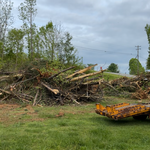
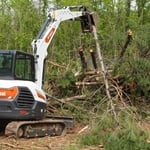
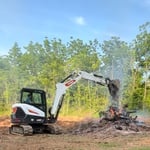
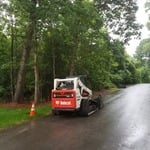
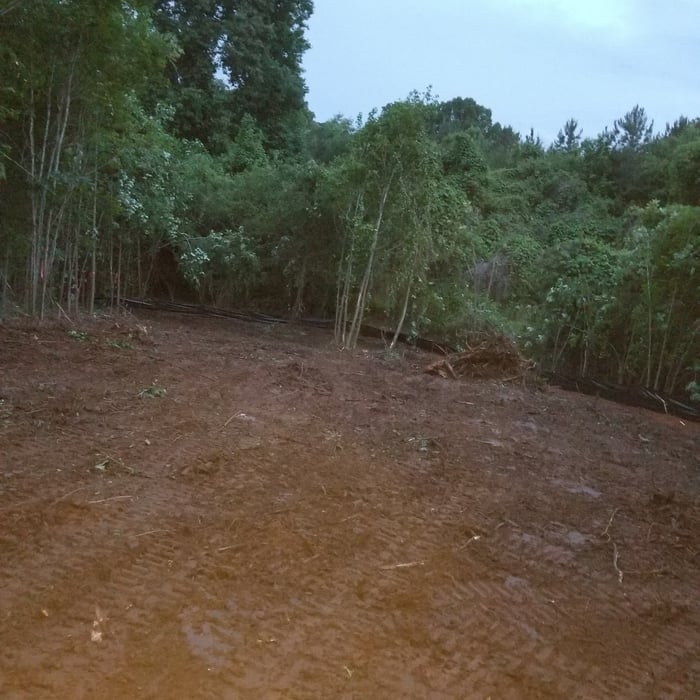
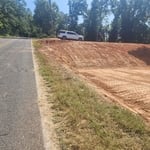
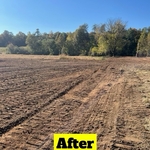
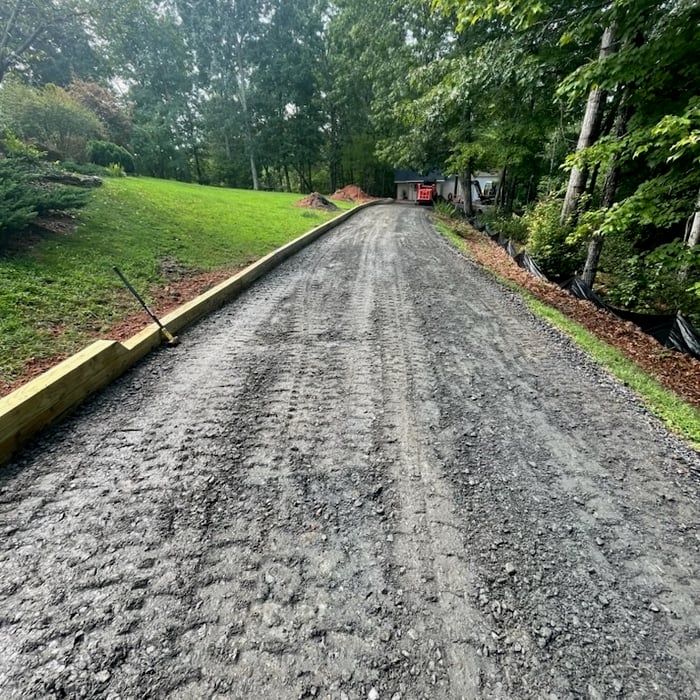
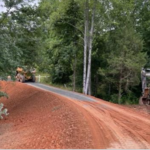
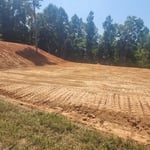
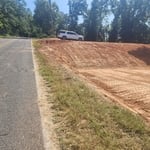
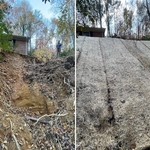
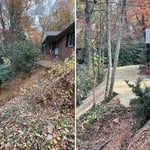
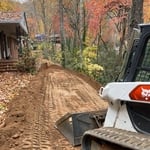
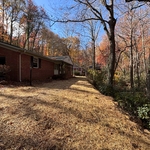
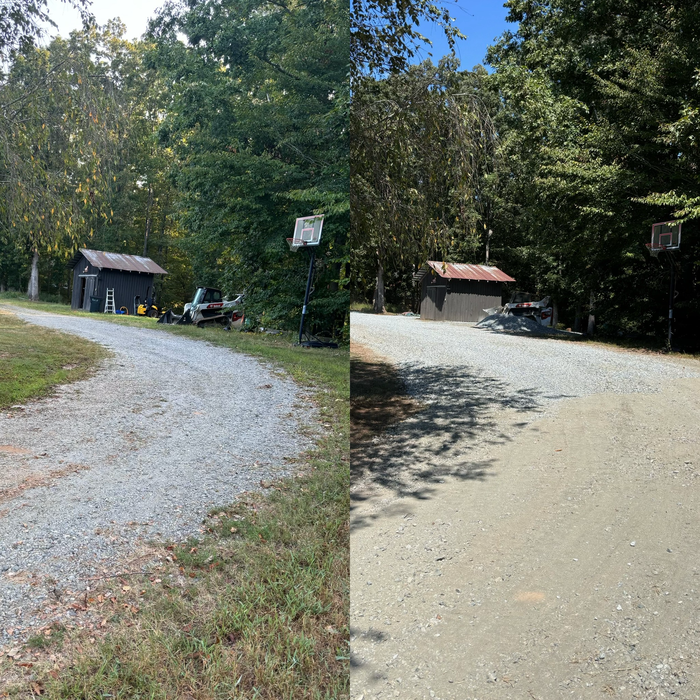
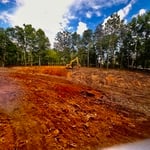
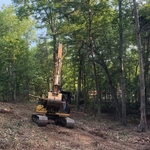
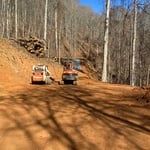
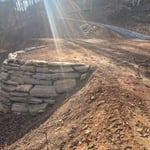
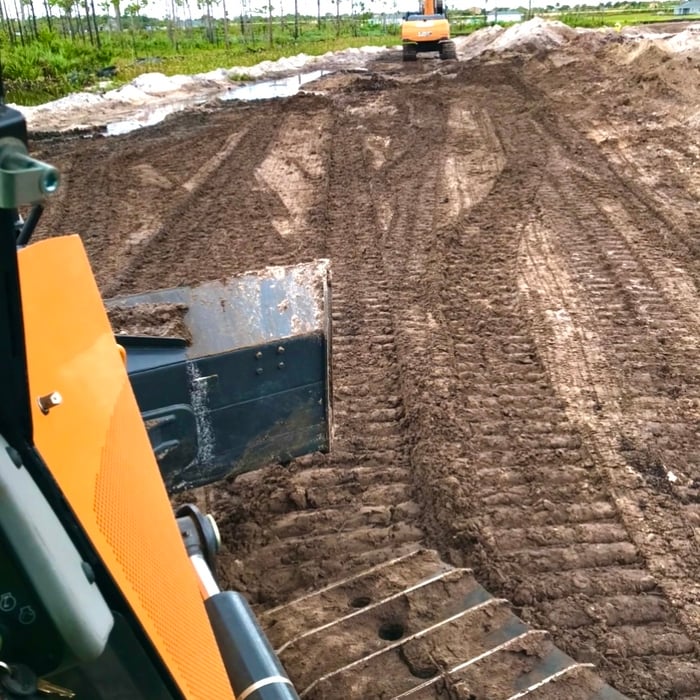
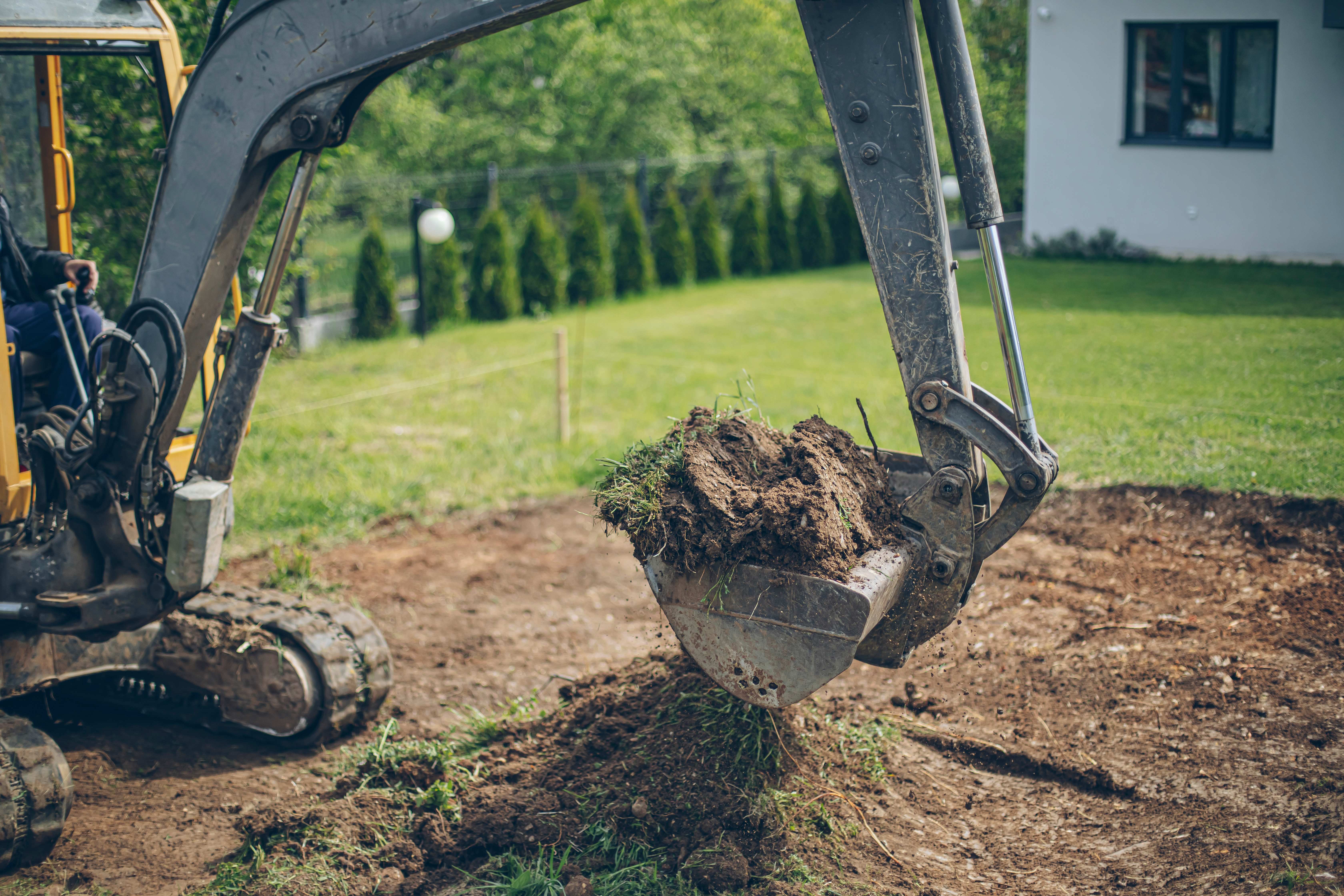
"All Trax was absolutely fantastic to work with, I wish we had found them first! They were incredibly responsive, understanding, and made sure the project direction and outcome were completed as we envisioned. They took the time to walk through a ton of options with us to ensure we had the best result at the best price. I would highly recommend All Trax to anyone in the area who needs excavation, a new gravel road/driveway, or driveway/road repair!"
"Great experience with Brandon. Listened to what we wanted to achieve. Gave feedback and suggestions. Was easy to talk to and very courteous. We love the result and are extremely satisfied with our interaction with this company. Will contact them again without any hesitation if the need occurs"
"From top to bottom all of the contractors are professional, knowledgeable, polite, and punctual. Tim the head man totally friendly professional outstanding as a project adviser and punctual it shows he has set an example for his employees to emulate. A stand-out employee of Tim crew is Neal. Neal is tireless, and meticulous and continues until completion. He personally performs the job and produces the results as if he were a customer. Highly recommend this company to all who are looking for a professional, punctual and meticulous group of professionals. Will be in my contacts always. And finally as with any project you have an idea of the finish product, exceeded all of my precepts."
"We had a pond installed by Tim and his crew. The excavator operator / Foreman, Chad, was phenomenol to not only work with but to watch work. The whole process was easy and straightforward. My only complaint is that I didnt hire them sooner"
"Needed fencing installed to keep groundhogs from taking up residence under our deck. Brady came up with a creative and complete solution that made sure the varmints were out and would not return. Would use again."
"Very professional, timely at a good price, actually hired him to perform another project after the excavation and clearing of the storm damage and again they exceeded expectations. at a great price definitely my go to person."
"Sergiy and his crew are great! I am remodeling my kitchen and they completed a handful of projects for me. They care about their work quality and are very professional. Sergiy was transparent with what work was being done and the associated costs. I would highly recommend Sergiy and his team!"
Tree experts don’t advise against digging through tree roots, but instead encourage caution and consultation with a local arborist to make sure you don’t damage the tree’s structure or interrupt its water or nutrient intake. An arborist can recommend specific practices when digging and help prune the roots or dig a trench for utilities with a tool that can remove soil without touching the tree’s roots.
There is no standard depth for burying a septic tank; they are typically buried anywhere from 4 inches to 4 feet underground. The final depth depends on several factors, including the depth of your main sewer line, the height of the bedrock, soil type, local regulations, and the property's landscape. If you plan to grow grass or plants over the tank, a depth of at least 4 to 6 inches is recommended. Deeper tanks can be more difficult to locate, but a septic professional can help find it for you.
Professional installers often include a deep layer of crushed gravel under permeable pavers to allow more runoff to soak through into the soil below. Many installations will include multiple layers of gravel, with coarser aggregate at the base and finer aggregate that sits on top of that bottom layer. Above the gravel, you’ll often find coarse sand that helps reduce paver shifting over time. Some permeable paver designs include a water collection system set into the gravel layer to route runoff to a safe area for disposal.
In the United States, a depth of 36 inches (three feet) for underground water lines is the accepted industry standard. This depth varies from location to location based on local conditions. In areas with colder winters, they may be buried deeper to prevent frozen well water pipes : This is usually at least six inches below the frost level. The International Plumbing Code calls for a minimum of 12 inches below grade.
Trenches are typically 12 to 24 inches deep and 8 inches wide. However, the required depth depends on the specific project and local ordinances. For example, a French drain may need to be 18 inches deep, while a water pipe might require a depth of 24 inches and a drainage pipe 36 inches. Your city or county may have specific regulations, so it's wise to consult with an excavation professional to determine the correct depth for your project.
The Shelby, NC homeowners’ guide to excavation services
From average costs to expert advice, get all the answers you need to get your job done.
Find out the average excavation cost in Charlotte, NC. Learn what you can expect to pay for local land clearing and grading services to start your project.
The cost of a concrete driveway in Charlotte, NC, varies based on size and concrete type. This cost guide breaks down all the key factors to help you budget.
Wondering how much it costs to build a house in Charlotte, NC? Use this guide to cover all your bases, from permits and planning to construction and finishing touches.
Picking the right pro can make or break your project. Learn how to hire an excavation pro with the qualifications and skillset to do the job efficiently.