




Top-rated animal removal specialists.

Get matched with top animal removal specialists in Purlear, NC

Enter your zip and get matched with up to 5 pros

Need a pro for your animal removal project in Purlear, NC?

Select your specific project to find the pro for you.

Find Animal removal specialists in Purlear

Avatar for Lyons Wildlife Control & Removal
Lyons Wildlife Control & Removal
5.0(
32
)
Pest Control - Birds and BatsPest Control - Small AnimalsPest Control - Small Animals - For Business

Serving Purlear, NC and surrounding areas

In business since 2017

Free estimates

Emergency services offered

"Mr. Lyons did a great job on my animal removal project. He was very professional, prompt and had all of the tools and equipment needed to complete the job. The pricing for the work was much more reasonable than other wildlife companies. I would highly recommend using Lyon's Wildlife Removal."

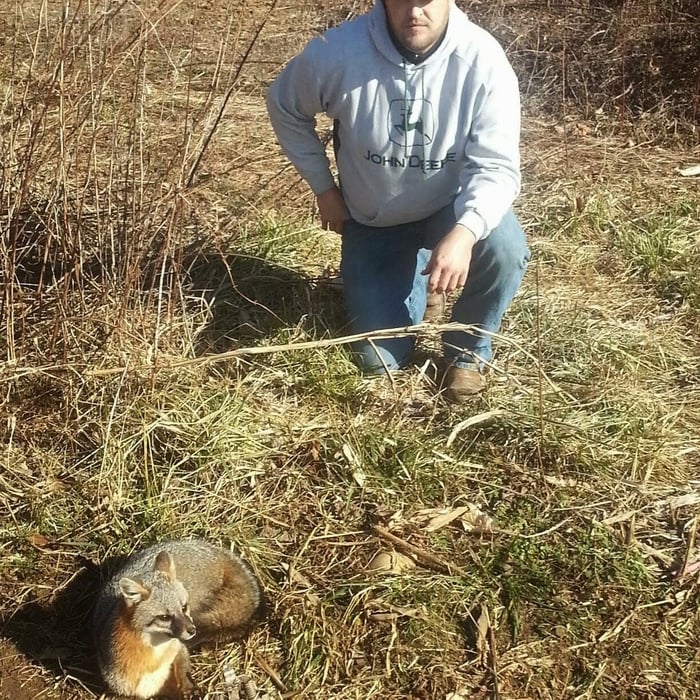
Red Fox Removal
Wildlife Removal
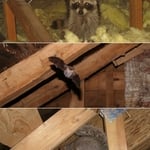
Attic Critters
Snake Removal
Wildlife Removal

+55

Response time5 hrs
Recommended by100%of homeowners

Avatar for G's Honey Bee Removal LLC
G's Honey Bee Removal LLC
5.0(
2
)
Pest Control - Birds and BatsPest Control - RodentsPest Control - Small Animals+1 more

Serving Purlear, NC and surrounding areas

In business since 2022

Free estimates

Credit card accepted

"Honey bees are so important to the environment. It was important to us that the bees be removed safely. We had a very large Hive settle in a tree and then once they became too large they collected on the ground. We have two small kids and two dogs so quick removal needed to happen! Zach was extremely quick to respond and super nice to work with. Highly recommend!"
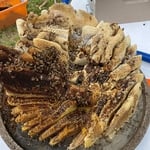
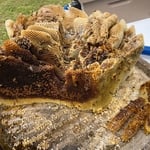
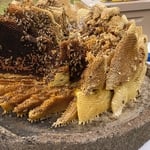
Closer shot of the comb.
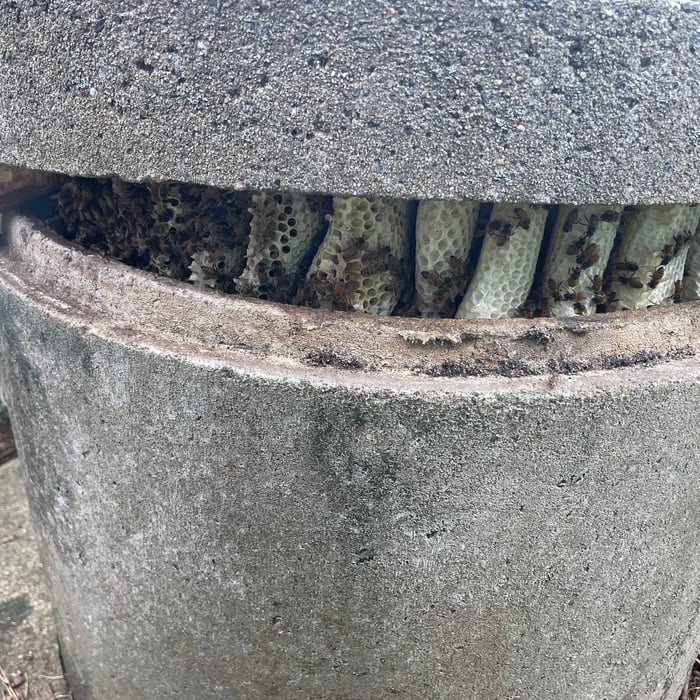
Well Cap Removal
Each piece is carefully removed to minimize disruption to the colony.
Lots of capped honey. Around 75lbs
Well Cap Removal

+2

Animal Removal questions, answered by experts

If the cat is stray (you noticed a collar or other signs of domestication), the kind thing to do is to try and find the owner. Call around to other neighbors to see if they can lead you in the right direction. If you can get close enough to snap a picture, try posting an image of the cat to local community groups and pages on social media. 

If the cat is feral, you can try to humanely trap them and participate in a local shelter’s TNR program. Before attempting capture, call around to local rescues and shelters to make sure one near you does participate in a TNR program. They may even be able to catch the cat for you.

Gophers do not hibernate, meaning you could, at least theoretically, have a gopher problem in your yard any time of year. During the colder parts of the year when soil isn't as easy to work with, gophers may not dig as many holes or be as active and instead will burrow deeper into the earth to go below the frost line to stay warm.

You can expect to see more gopher activity during the spring and fall when warmer temperatures make digging easy, and there is an abundance of new (or recently harvested) plant life available for them to graze on. They come out during the day and sleep at night.

Most types of lizards are active during warm summer daylight, especially when temperatures rise above 65 degrees Fahrenheit. Some lizards take cover under rocks or burrows on sweltering days to escape the heat, reemerging in the cooler afternoon. It is important to note that lizards are cold-blooded creatures that depend on their environment to regulate their body temperature.

Using chemicals with harsh odors is a natural way to repel bears. While the animal’s strong sense of smell is an asset in the animal kingdom, it’s a weakness here. Simply place bleach or ammonia in a bucket and leave it outside day or night. Ironically, bears also dislike the smell of pine, so you can use pine oil or a pine-based cleaning agent. Avoid using cleaning products with fruit or citrus smells, however.

Skunks are nocturnal creatures, meaning they are primarily active at night, particularly around dusk and dawn. Their activity levels increase as the weather warms up, and they are generally dormant or inactive during the winter. Skunks are especially active during the spring months when they are foraging for fresh food and seeking mates. While they are typically not seen during the day, daytime activity is possible if a skunk is having trouble finding food, has babies to care for, or is severely ill.

The Purlear, NC homeowners’ guide to animal removal services

From average costs to expert advice, get all the answers you need to get your job done.