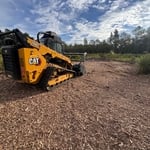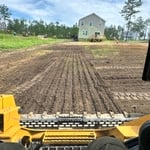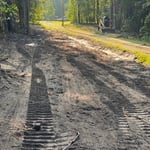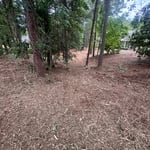






Top-rated excavation pros.

Get matched with top excavation pros in Lillington, NC

Enter your zip and get matched with up to 5 pros

Need a pro for your excavation project in Lillington, NC?

Select your specific project to find the pro for you.

TRUSTED BY LILLINGTON, NC HOMEOWNERS

  • Average homeowner rating star icon4.4
    Average homeowner rating
  • Verified reviews icon25
    Verified excavation services reviews

Find Excavation pros in Lillington

Mokma Grading
5.0(
13
)
Building Site - Preparation and ClearingExcavation - Major Grading or ReslopingLandscape - Minor Grading or Resloping+2 more

Serving Lillington, NC and surrounding areas

Approved

Super Service Award Winner

In business since 2024

Free estimates

Offers commercial services

"Took the time to do the job right. They went out of the way to make a mess from a prior contractor into something that works for my needs. Most definitely will be hiring them again."
Response time10 hrs
Response rate94%
5 neighbors recently requested a quote
Avatar for Clearly Leveled Up LLC
Clearly Leveled Up LLC
5.0(
8
)
Building Site - Preparation and ClearingExcavation - Major Grading or ReslopingBuilding Site - Preparation and Clearing - For Business+1 more

Serving Lillington, NC and surrounding areas

Approved

In business since 2025

Free estimates

Emergency services offered

"Clearly Leveled Up was great. They arrived on time and started working right away. The workers, Mike and BJ were very professional. They were courteous and very easy to converse with. They did exactly what we asked for and we love it !!! Wish we could have sent the photos of the work but the system keeps telling us the file was too large."
pond
pond
pond
pond
pond

+10

3 neighbors recently requested a quote

...
Showing 1-10 of 164
Excavating questions, answered by experts

Trenches are typically 12 to 24 inches deep and 8 inches wide. However, the required depth depends on the specific project and local ordinances. For example, a French drain may need to be 18 inches deep, while a water pipe might require a depth of 24 inches and a drainage pipe 36 inches. Your city or county may have specific regulations, so it's wise to consult with an excavation professional to determine the correct depth for your project.

Most residential basements are 8 to 10 feet deep. You can dig deeper depending on building codes, but it does become more difficult. You’ll likely need to install stronger foundation walls and additional supports to handle the increased load. Depending on the water table, you may also need a water management system. Clay soil can support a deeper foundation than sandy soil. A structural engineer will be able to tell you the maximum, feasible depth.

The easier way to find buried sprinkler lines is to use the plan from the professionals who installed the system. If you don’t have professional plans, listen for running water on your lawn when you turn on the system. You may also spot wet areas, giving you an idea of where the heads are. Once you find the sprinkler heads, you’ll likely be able to connect the dots between them, revealing the system below.

Trenching and boring are two distinct methods for installing underground utilities. Trenching involves digging a channel using equipment like an excavator, trencher, backhoe, or shovel. While it is a simpler process, it causes significant disruption to the surface, landscaping, and surrounding ecosystems.

Boring, also known as directional boring, is a less invasive alternative that uses a drill to create a tunnel for utility lines without disturbing the surface. This method is more precise and is ideal for installations that need to go underneath buildings, roads, or bodies of water. Although boring is less disruptive, it is generally more expensive than trenching.

The best type of soil to build on is a mixture of sand and clay, known as loam soil. Loam soil has the best combination of these soil types to build a foundation on. The clay particles help with water retention, so it won’t erode like sandy soil might, and the sandy particles help with drainage, so you won’t see unsafe soil expansion or have an increased risk of leaks from water sitting against your foundation.

The Lillington, NC homeowners’ guide to excavation services

From average costs to expert advice, get all the answers you need to get your job done.