





Top-rated biohazard remediation specialists.

Best biohazard remediation specialists near Lansing, NC

Enter your zip and get matched with up to 5 pros

Need a pro for your biohazard remediation project in Lansing, NC?

Select your specific project to find the pro for you.

Top-Rated Biohazard remediation specialists in Lansing - Updated Nov 2026

Avatar for All American Environmental Services, LLC
All American Environmental Services, LLC
5.0(
200
)
Radon Gas - Abatement

Serving Lansing, NC and surrounding areas

Approved

Super Service Award Winner

In business since 2020

Free estimates

Emergency services offered

"Alan is very knowledgeable in all aspects of radon and it's removal. He was responsive, professional, patient, explained the cause and how the remediation process works. We were very happy with this workmanship and would highly recommend his company for radon remediation."
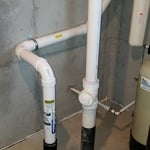
Radon Mitigation System

+4

Response time7 hrs
88 neighbors recently requested a quote
Recommended by91%of homeowners
Avatar for Mold Test Company NC
Mold Test Company NC
3.9(
103
)
Mold & Toxic Material TestIndoor Air Quality TestingMold & Toxic Material Test - For Business

Serving Lansing, NC and surrounding areas

Approved

In business since 2008

Free estimates

Emergency services offered

"The technician and chemist were professional and knowledgeable. Their findings and explanations kept us from making an expensive home purchase that could have ultimately cost us our family's health."
Crawl
Basement wall
Insulation
Insulation
Basement

+41

Response time10 hrs
193 neighbors recently requested a quote
Recommended by81%of homeowners
Avatar for United Waste Services
United Waste Services
New to Angi
Hazardous Waste RemovalToxicity and Mold - Removal

Serving Lansing, NC and surrounding areas

Approved

Free estimates

Emergency services offered

Small jobs welcome

I have over 26 years of experience in environmental services, field service, and industrial cleaning. Throughout my career I have handled a wide range of work including hazardous and non-hazardous waste removal, residential and commercial maintenance, pressure washing, junk removal, emergency cleanups, home improvement repairs.\n\nI am based in the charlotte area and available to travel surrounding locations for jobs.\n\nMy skills include industrial cleaning, environmental safety practices, equipment troubleshooting, emergency response, oil spills, site maintenance, debris removal, trash removal, property cleanup, post-construction cleanup. \n\nI take pride in working safely, efficiently, and with attention to detail.\n\nCostumers choose me because I'm reliable, show up on time, and get the job done right the first time. I focus on quality work, clear communication, and making sure every client is satisfied with the results.

Showing 1-10 of 35
Biohazard Remediation FAQs, answered by experts

Wood stain is not considered toxic after it dries. The solvents in wood stain are what give off volatile organic compounds (VOCs), which are toxic, but these dissolve as the product dries, leaving behind a non-toxic product. When working with wood stain, you should always wear a respirator and rubber gloves to protect yourself, but once it dries fully, it’s not toxic, according to the manufacturer’s instructions.

If you are not at high risk of contracting disease and take proper safety precautions, it’s considered generally safe to clean mouse droppings on your own. Before handling any droppings, make sure to put on protective equipment such as plastic gloves and a face mask. Individuals who are immunocompromised, have medical conditions, and children should especially avoid exposure to mouse droppings. 

DIY is possible for minor incidents. Professional services ensure thorough drying and mold prevention.

Although both bleach and vinegar are effective in killing mold on wood, vinegar is generally considered the better option. Bleach is a potent disinfectant that can swiftly and effectively eradicate most types of mold on wooden surfaces. However, diluting it with water and using it in a well-ventilated space while wearing protective gear is crucial as it can be harsh and potentially harm the wood's finish or discolor it.

On the other hand, vinegar is a gentler and more natural alternative that can successfully kill mold, but it may take longer and require multiple applications for persistent infestations. Vinegar is a safer option that is less likely to cause damage to wooden surfaces, making it an excellent choice for delicate areas or when a milder approach is preferred.

Wood tables are susceptible to mold growth, especially if they have been water-damaged. In fact, anything made of wood in your home—from tables and chairs to cabinets and floors—can grow mold since wood is both an organic material and a porous one. Major flooding and water damage are likely candidates for mold growing on your wood table, but it can also happen simply if the wood table is in a humid environment.

You can kill the mold with a proprietary cleaner, or simply a diluted bleach or even cleaning vinegar or dish soap. Always wear gloves, protective eyewear, and a face mask when dealing with mold.

The Lansing, NC homeowners’ guide to biohazard remediation services

From average costs to expert advice, get all the answers you need to get your job done.