







Top-rated wrought iron workers.

Get matched with top wrought iron workers in Kill Devil Hills, NC

Enter your zip and get matched with up to 5 pros

Need a pro for your wrought iron service project in Kill Devil Hills, NC?

Select your specific project to find the pro for you.

Find Wrought iron workers in Kill Devil Hills

Avatar for Banks Exteriors Plus, Inc.
Banks Exteriors Plus, Inc.
4.5(
8
)
Wrought Iron Fence - InstallWrought Iron Fence - Install - For Business

Serving Kill Devil Hills, NC and surrounding areas

Approved

In business since 2004

Free estimates

Credit card accepted

Here at Banks Exteriors Plus, Inc., we sustain our business on quality and integrity. We are experts in our trade and our commitment to quality from beginning to end of your project. We look forward to earning your business. Call us anytime with any questions you may have. Thanks for you time and have a great day.\n

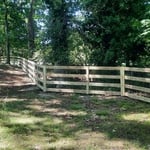
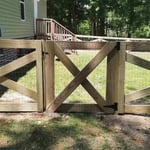
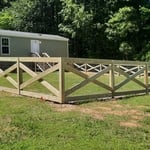
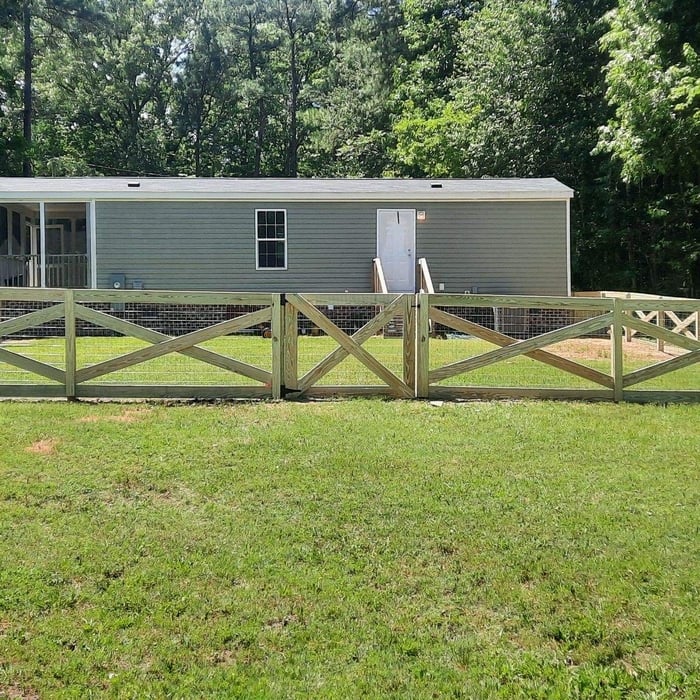
Farm Fence
Farm Fence
Farm Fence
Farm Fence
Farm Fence

+11

9 neighbors recently requested a quote
Recommended by14%of homeowners

Avatar for Yeopim District Welding
Yeopim District Welding
5.0(
1
)
Wrought Iron Fence - InstallWrought Iron Fence - Install - For BusinessWrought Iron Fence - Repair or Weld+1 more

Serving Kill Devil Hills, NC and surrounding areas

In business since 2021

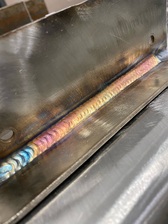
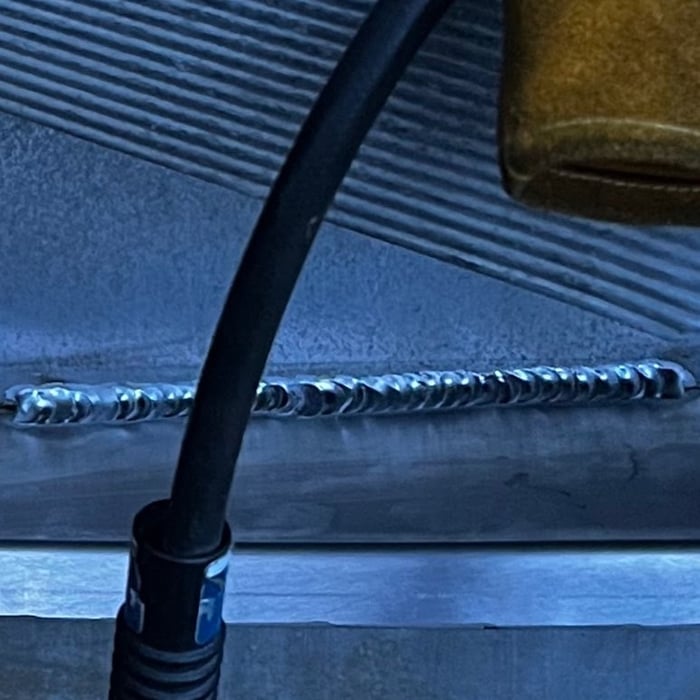
"They came to me and welded material that other local companies said was to thin to weld period. And they did it effortlessly and it looks better than who had done it originally. They definitely take pride in their work. I will recommend them to anyone who is in need of a welder."
Additional Photos
Additional Photos
Additional Photos
Recommended by100%of homeowners

Showing 1-10 of 16
Wrought Iron questions, answered by experts

Yes, many manufacturers and installers offer warranties. Confirm terms before starting your project.

No, fence posts aren’t always set in concrete. If you don’t want to use concrete footings for your posts, expanding foam is a popular alternative. Expanding foam and concrete each have certain pros and cons. For instance, foam is easier to install and more sustainable, but concrete is sturdier and less expensive.

One common approach to attaching lattice is using screws or nails. Align the lattice panel with the wood frame, then secure it by driving screws or nails through the lattice into the wood. Another option is using U-shaped or J-shaped clips or brackets designed for lattice attachment, which provide a neater look. For added stability and aesthetics, you can use molding or framing around the lattice edges, attaching it to the wood with screws or nails—lastly, construction adhesive works when combined with other fasteners for enhanced durability.

The ideal distance between fence posts depends on several factors, including the terrain, the purpose of the fence, and the material used. For different types of fences, here are some general guidelines:

  • Wood and Metal Fences: Posts should be spaced between 5 and 8 feet apart.

  • Vinyl Fences: Spacing can be between 6 and 8 feet.

  • Chain-Link, Mesh, or Lattice Fences: Posts can be set anywhere from 4 to 25 feet apart, with 4-10 feet being common for chain-link.

  • Wire Fences: Spacing can be up to 12 feet apart.

The maximum recommended slope on which you can build a racked or stepped fence is 45 degrees. After that, construction becomes quite tricky and may require the use of retaining walls or terraces to make the fenced area flatter.

The Kill Devil Hills, NC homeowners’ guide to wrought iron services

From average costs to expert advice, get all the answers you need to get your job done.