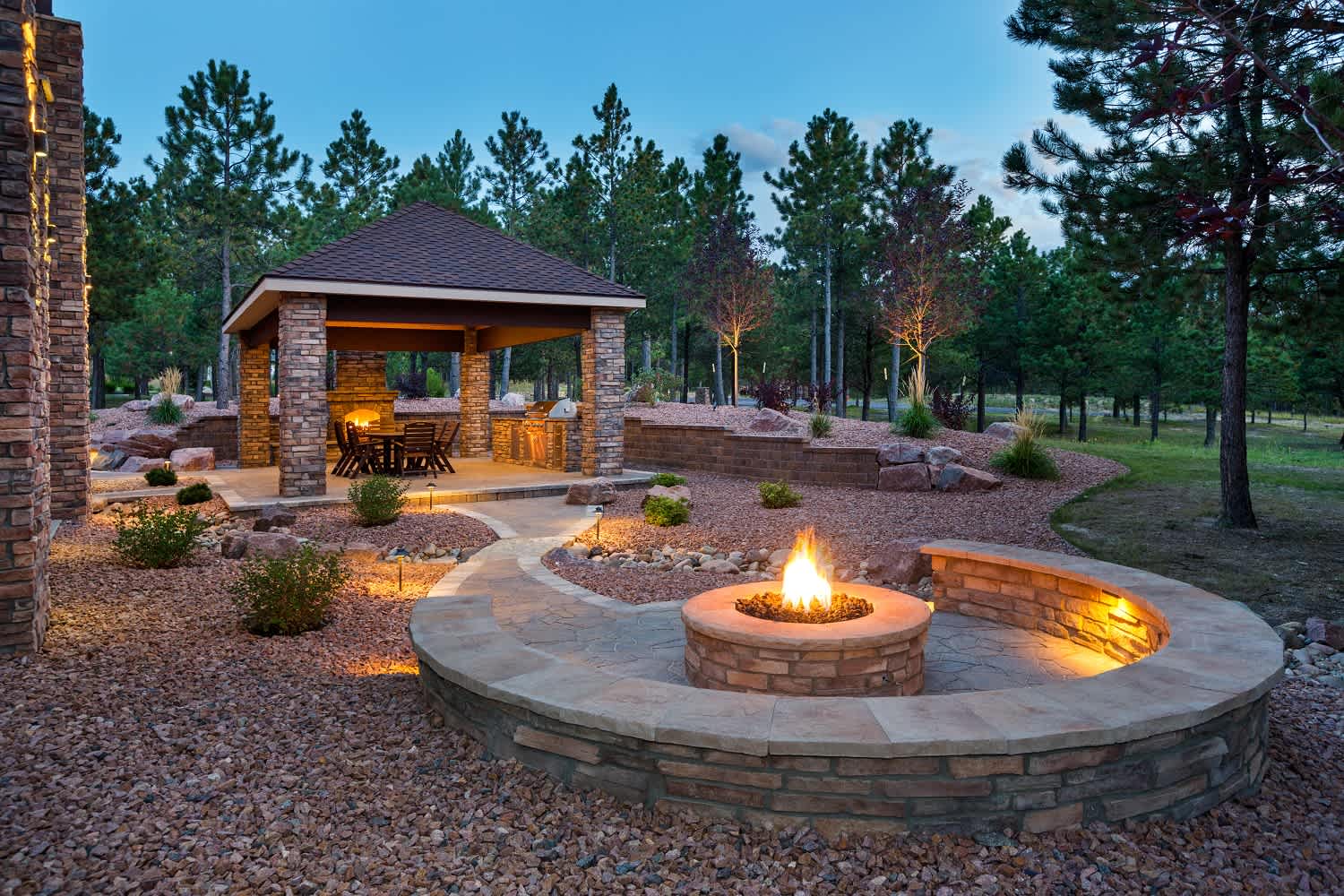






Top-rated fire pit installation pros.

Get matched with top fire pit installation pros in Havelock, NC

Enter your zip and get matched with up to 5 pros

Need a pro for your fire pit installation project in Havelock, NC?

Select your specific project to find the pro for you.

TRUSTED BY HAVELOCK, NC HOMEOWNERS

  • Average homeowner rating star icon4.2
    Average homeowner rating
  • Verified reviews icon71
    Verified fire pit installation services reviews

Find Fire pit installation pros in Havelock

No results for Fire pit installation pro in

Try adjusting your search criteria.
Fire Pit Installation questions, answered by experts

Yes, a hot or overheating outlet is a fire hazard and can cause a fire. An outlet becoming hot indicates an electrical problem, such as an overloaded circuit, loose connections, or a faulty component. The heat from these issues can ignite nearby flammable materials like curtains or furniture. If you notice an outlet is hot to the touch, turn off the power at the circuit breaker, unplug any connected devices, and consult a qualified electrician. If a fire does start, use a Class C fire extinguisher or baking soda to suppress it, or evacuate immediately and call the fire department.

You can safely build a fire pit on your patio as long as you use porous, fire-resistant pavers or a fire pit mat over existing pavers. Otherwise, you’ll need to have exposed ground beneath your pit. You’ll also need to make sure the location for the fire pit is far enough away from your house and any other nearby structures.

Pellet stoves are safer than wood stoves in many ways. They don’t produce as many creosote deposits as wood stoves do, they create less smoke, and the flames are contained, decreasing the risk of any sparks or embers creating a house fire. Pellet stoves also burn more cleanly and efficiently than wood stoves do.

Short circuits can cause fires, electrical burns, and electrocution, which can lead to serious injury or even death. That’s why it’s important to take preventative measures to prevent short circuits, like getting annual electrical maintenance and an electrical inspection every two to five years, depending on the age of your home.

Yes, spider webs are flammable, taking them from minor household nuisance to something more dangerous. Silk boasts no built-in resistance to fire, though it takes an abundance of spider webs to actually catch fire and spread. A cobweb here and there poses no major fire safety risk, so it’s not a cause for concern.

The Havelock, NC homeowners’ guide to fire pit installation services

From average costs to expert advice, get all the answers you need to get your job done.