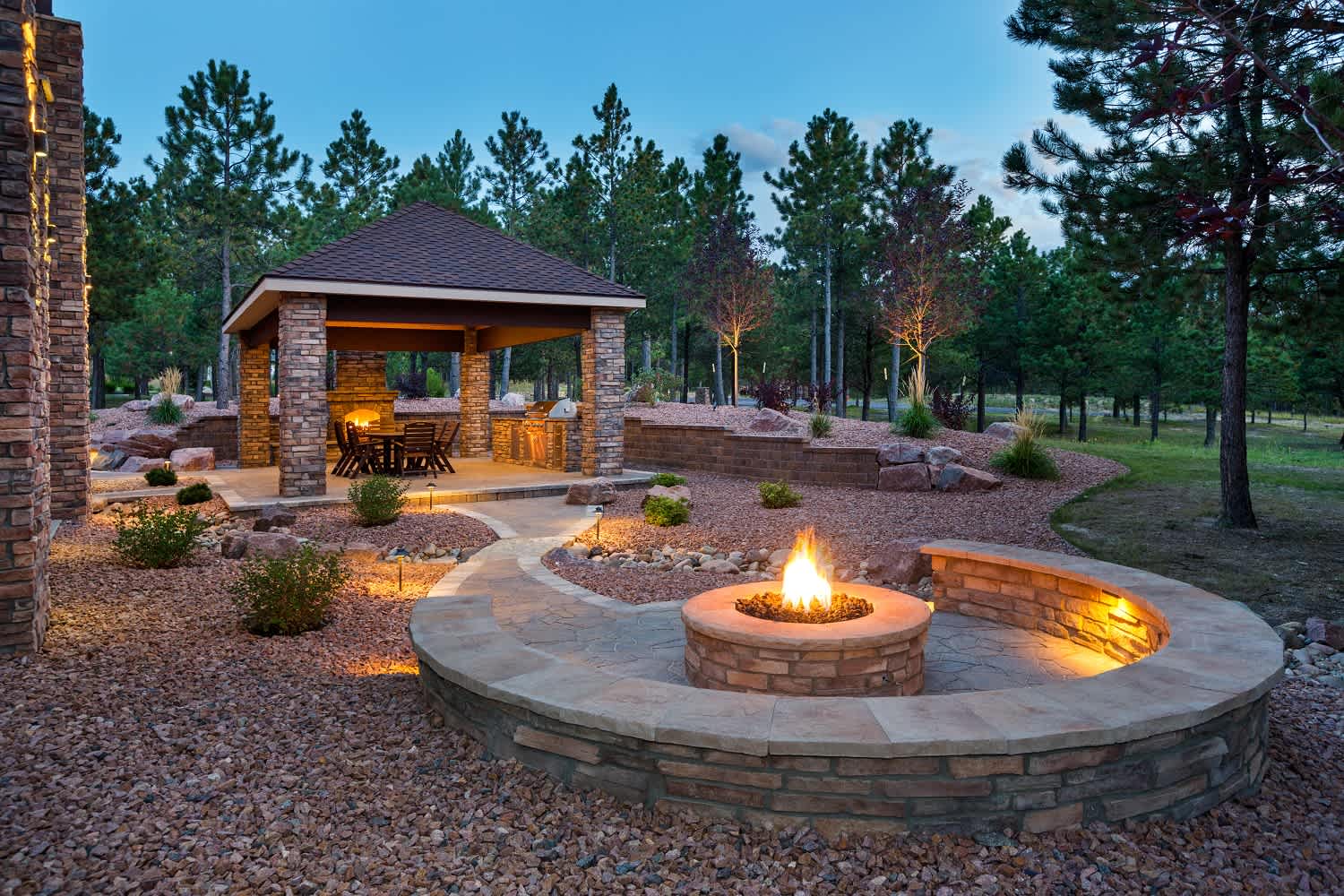







Top-rated fire pit installation pros.

Get matched with top fire pit installation pros in Atlantic Beach, NC

Enter your zip and get matched with up to 5 pros

Need a pro for your fire pit installation project in Atlantic Beach, NC?

Select your specific project to find the pro for you.

TRUSTED BY ATLANTIC BEACH, NC HOMEOWNERS

  • Average homeowner rating star icon4.3
    Average homeowner rating
  • Verified reviews icon113
    Verified fire pit installation services reviews

Find Fire pit installation pros in Atlantic Beach

No results for Fire pit installation pro in

Try adjusting your search criteria.
Fire Pit Installation questions, answered by experts

It’s technically possible in some areas to install your own fire suppression system, but it’s usually not a good idea. Your system must conform to the fire code in your area and will need to pass a rigorous inspection before being activated and deemed safe. Installing a fire suppression system is a complicated job, and making mistakes as a DIYer is likely. Those mistakes can cause you to fail your inspection, which means you’ll have to spend more time fixing the issues or money to have a certified plumber do the work for you. It’s best to hire a professional.

No material is genuinely fireproof, so there’s no genuinely fireproof safe. Any material would break down if exposed to a hot enough temperature for long enough. That said, safes can withstand certain house fires. Manufacturers use the term “fireproof” synonymously with “fire resistant.”

Yes, professionals install sprinkler systems for enhanced fire suppression.

Yes, it’s worth capping a chimney. Here are several reasons to install a chimney cap:

  • Keep out rain, snow, wildlife, and other debris

  • Help prevent chimney fires

  • Reduce your chimney’s exposure to moisture

  • Maintain your chimney flue liner

  • Help reduce energy bills by helping regulate your home’s temperature

Generally, an oil furnace is considered safer than a gas furnace for several reasons. While both types of furnaces can produce carbon monoxide, a leak in an oil furnace is easier to detect due to the smell. Oil furnaces also don't connect to a gas pipeline, which reduces the chance of a fuel leak. Most importantly, heating oil is not combustible, whereas natural gas is highly flammable. This means there is a much lower risk of combustion or explosion with an oil furnace. However, an oil furnace can still pose a fire hazard if it tips over.

The Atlantic Beach, NC homeowners’ guide to fire pit installation services

From average costs to expert advice, get all the answers you need to get your job done.