

MGT Enterprise
Concrete - Sawing or RemovalConcrete - Sawing or Removal- For BusinessConcrete Flatwork - Repair & Resurface
Serving Edenton, NC and surrounding areas
+18
Recommended by100%of homeowners

*The Angi rating for Concrete Cutting companies in Edenton, NC is a rating based on verified reviews from our community of homeowners who have used these pros to meet their Concrete Cutting needs.
*The HomeAdvisor rating for Concrete Cutting companies in Edenton, NC is a rating based on verified reviews from our community of homeowners who have used these pros to meet their Concrete Cutting needs.
Last update on December 06, 2024
Serving Edenton, NC and surrounding areas
+18
Serving Edenton, NC and surrounding areas
In business since 2023
Free estimates
Warranties offered
"Punctual, clean in your work area. I was satisfied with the work done."
+13
Serving Edenton, NC and surrounding areas
In business since 2014
Credit card accepted
"Good job , would hire again."
+36
Serving Edenton, NC and surrounding areas
In business since 2000
Free estimates
Emergency services offered
"We are very pleased, Mr Jenkins was on time with the estimate and the job. His crew was on time and cleaned up thoroughly. The patio is beautiful.
"

Serving Edenton, NC and surrounding areas
In business since 2018
Emergency services offered
Credit card accepted
"It went very well. Great job"

+16

Serving Edenton, NC and surrounding areas
In business since 2022
Credit card accepted
"JT knew his stuff! He brought the tools needed and completed the repairs quickly."
+16

Serving Edenton, NC and surrounding areas
In business since 2015
Emergency services offered
Credit card accepted
"Fantastic service and exceptional care. Trustworthy company"
+11
Serving Edenton, NC and surrounding areas
In business since 2021
Emergency services offered
Warranties offered
"Preformed different remodel for me"
Serving Edenton, NC and surrounding areas
Free estimates
Emergency services offered
Credit card accepted
"The service was excellent and superb. When I called them, they came right away for the quotes and estimates then did the job. It was a very stat turn around time. Good price, actually the cheapest. The best quality of work. I highly recommend this company."
+8
Serving Edenton, NC and surrounding areas
Free estimates
Small jobs welcome
Credit card accepted
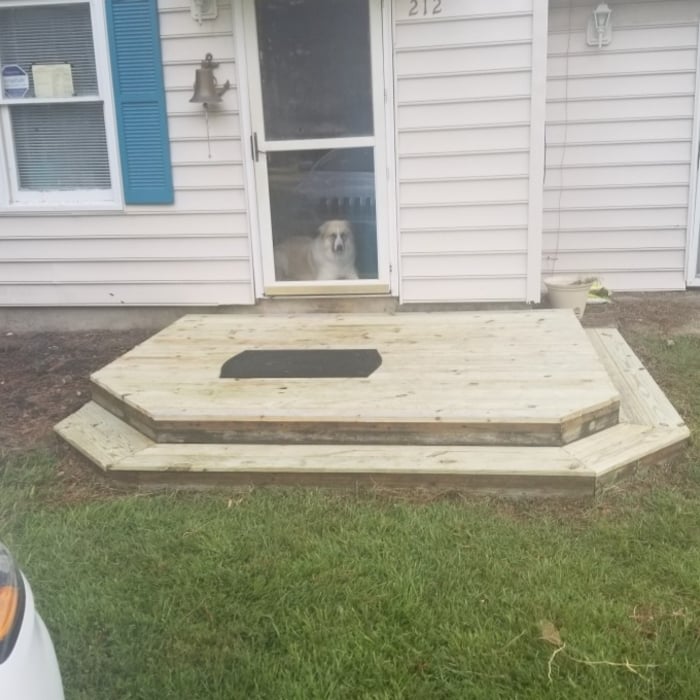
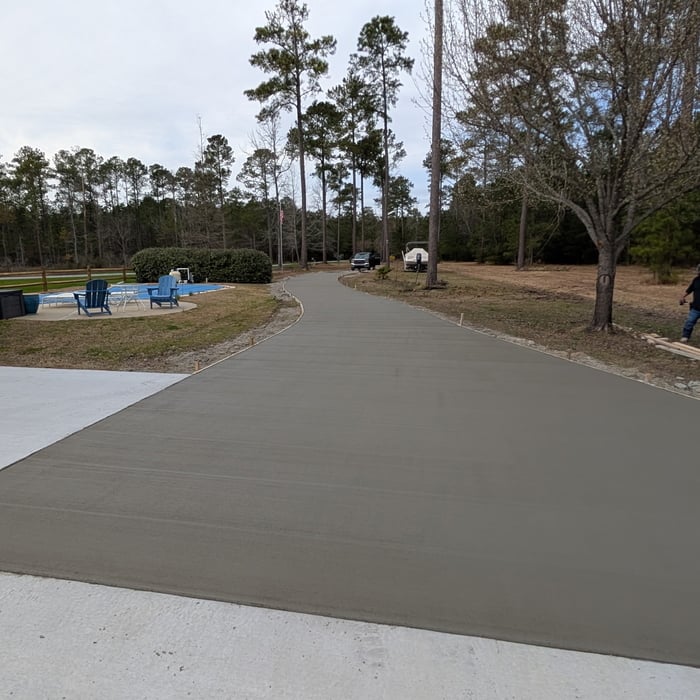
At True Form we specialize in Deck builds, Concrete & Masonry, and all exterior phases of residential construction.
+12
From average costs to expert advice, get all the answers you need to get your job done.
Looking to add utility and easier access to your basement? Use this guide on the cost to cut a concrete wall to add a door to your basement.

Discover how much concrete walls cost based on factors like their size, material, location, design, and local labor rates.
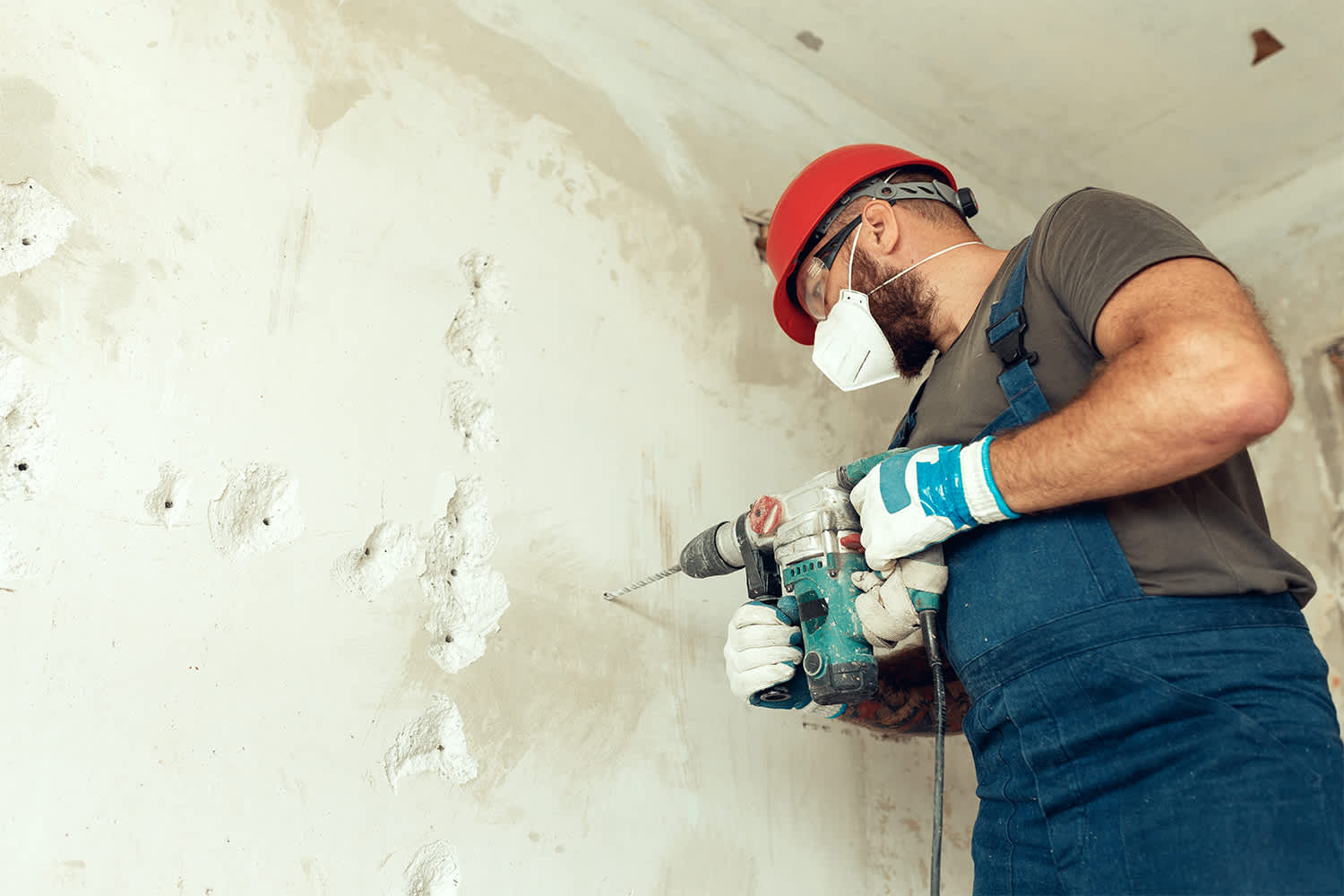
Time to get rid of that old chipped and crumbling walkway? Concrete removal costs can add up, but you have options to simplify the process. Learn more here.

Cutting concrete is a daunting task unless you have the right tools and know-how. Find out the methods for how to cut concrete for all skill levels.
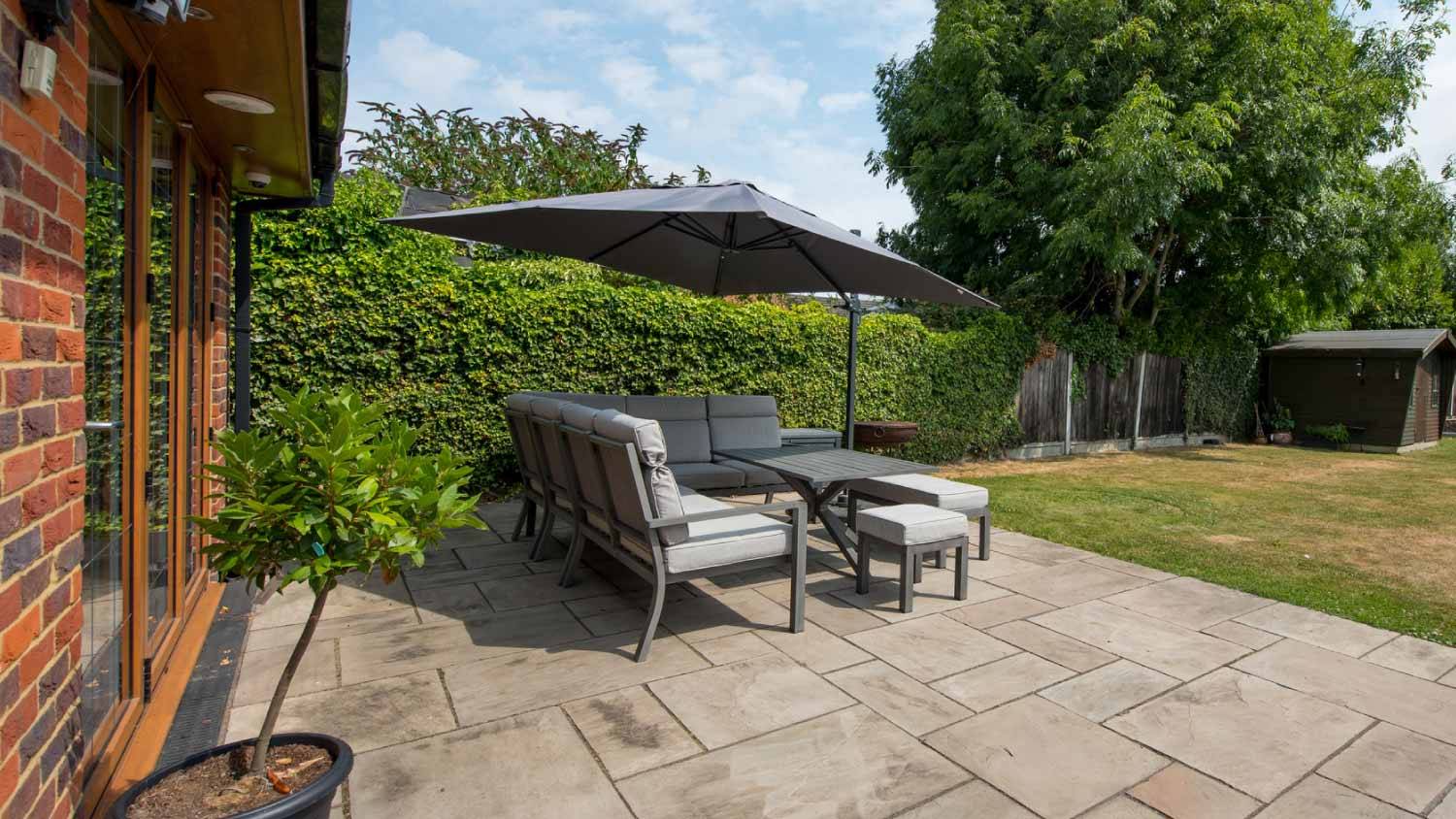
Have a paver patio project and need to know how to cut concrete pavers? Find out all the DIY options you have for getting your pavers to fit properly.
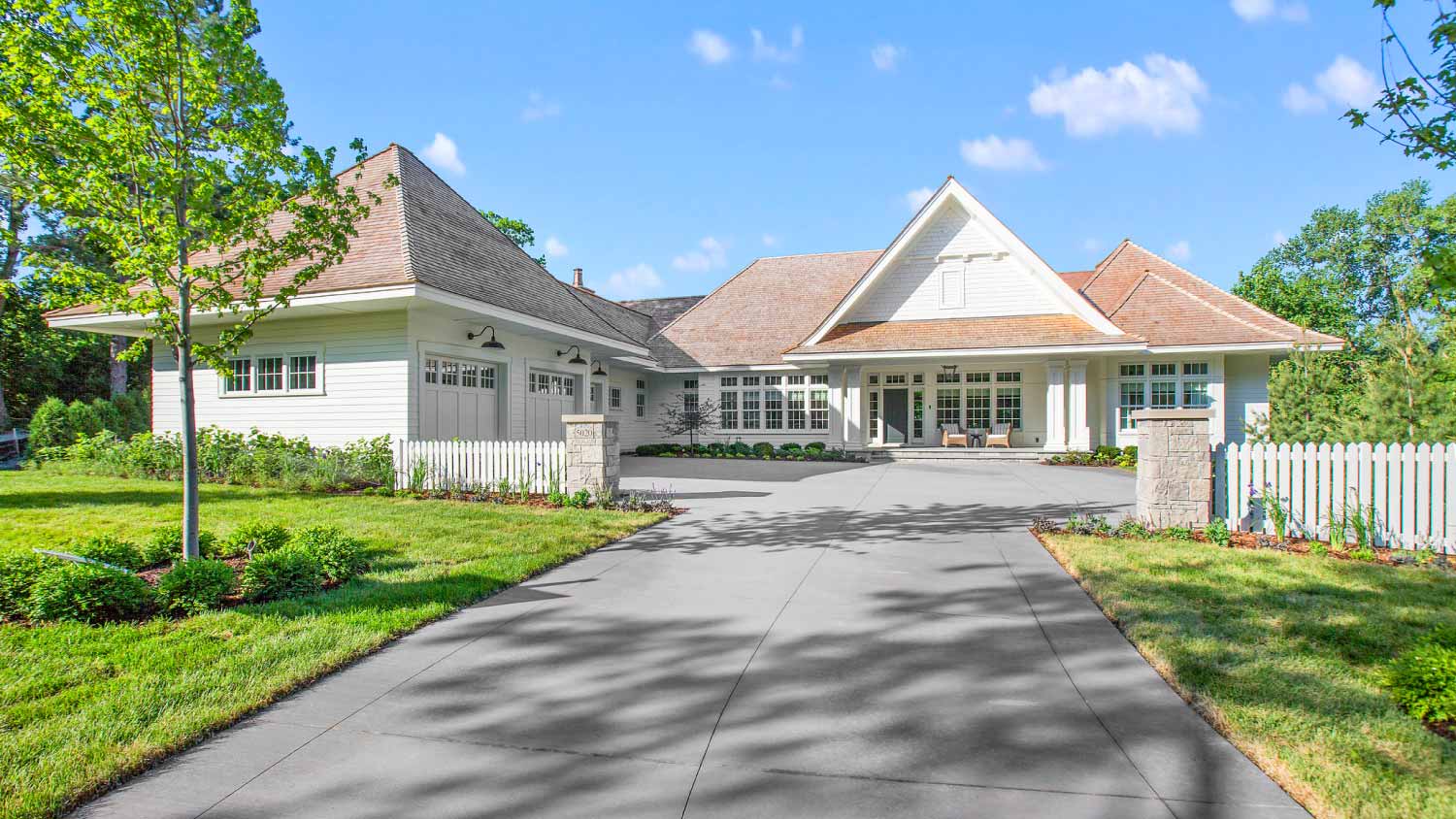
Looking to tackle concrete projects in and around your home? Use this concrete tools list to make sure you have the right tools to get the job done.