



Top-rated plaster repair specialists.

Get matched with top plaster repair specialists in Conover, NC

Enter your zip and get matched with up to 5 pros

Need a pro for your plaster repair project in Conover, NC?

Select your specific project to find the pro for you.

TRUSTED BY CONOVER, NC HOMEOWNERS

  • Average homeowner rating star icon4.5
    Average homeowner rating
  • Verified reviews icon72
    Verified plaster repairs reviews

Find Plaster repair specialists in Conover

Avatar for The Drywall Doc LLC
The Drywall Doc LLC
5.0(
27
)

Serving Conover, NC and surrounding areas

Approved

Super Service Award Winner

In business since 2022

Free estimates

Warranties offered

"We were very pleased with the plaster repair that was done on many of the walls in our older, historic home!! The crew was very hard working and protected areas where they were workin and cleaned afterwards with excellence- so pleasant to have around too! We would definitely hire them again!"
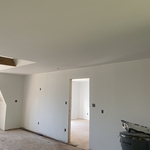
Primed
Primed
Peak
Off angles
Master bed

+70

Response time1 day
Response rate94%
12 neighbors recently requested a quote

Avatar for Silver Line Construction Plus
Silver Line Construction Plus
5.0(
11
)

Serving Conover, NC and surrounding areas

Approved

In business since 2015

Free estimates

Credit card accepted

"They did a great job! My roof looks great! Reliable and kept me well informed about everything. They kept cost in mind and cleaned up nicely after themselves. Serge even came out late to tarp the roof until it could get repaired so that I didnâ t have any further damage to the house waiting for the roof. They were very nice to work with. Great people. I canâ t say enough good things about them!"
Response time1 day
Recommended by100%of homeowners
...
Showing 1-10 of 60
Plaster Repair questions, answered by experts

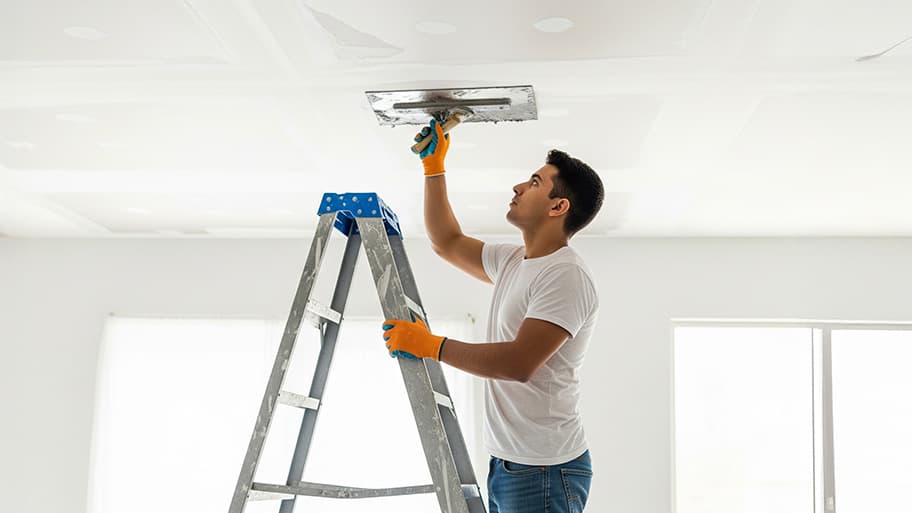
Installing or repairing plaster on ceilings differs slightly from performing the same motions on a wall. You’ll apply slightly less plaster to lower the overall weight of the ceiling. Wall texturing is common, whereas most ceilings are smooth plaster. Tough coat plaster is strong, meaning you can use less while retaining a solid surface.

You can plaster over regular drywall, but it's essential to prepare the surface properly. Before plastering, the drywall should be clean, free of dust, and any loose or peeling paint should be removed. Applying a primer specifically designed for plastering can improve adhesion. Some professionals recommend applying a base coat of plaster or joint compound to create a better surface for the plaster to adhere to. Proper preparation ensures a smooth and durable plaster finish over regular drywall.

Professionals diagnose underlying causes, such as structural shifts or moisture problems, and apply appropriate solutions like reinforcement, patching, or sealing. These measures restore wall integrity and prevent recurrence, ensuring long-term stability.

Although they have similar applications, spackle and joint compound are not the same. Their primary differences lie in their composition, consistency, and ideal use cases.

Spackle is composed of gypsum and binding agents, making it thicker than joint compound. It dries quickly and is easy to sand, which makes it ideal for small wall repair projects like filling nail holes or patching minor damage.

Joint compound, also known as drywall mud, consists of limestone and gypsum. It is primarily used for large-scale projects, such as taping and finishing the seams on newly installed drywall. It tends to shrink more than spackle and can be more difficult to spread.

While both products can be used to fill small depressions and cracks, spackle cannot replace joint compound for taping and mudding new drywall. Conversely, you can often use joint compound for small patching jobs typically done with spackle.

Yes, you can apply new plaster over an existing plaster surface, such as a wall or ceiling, provided the old plaster is in good condition. Before you begin, check the stability of the existing plaster. The surface must be clean, free of loose material, and have no peeling paint. It is also recommended to roughen the surface slightly to promote adhesion. For older plaster, applying a base coat like a PVA emulsion or a specific bonding agent or primer is crucial. This step makes the existing plaster less porous and ensures the new and old layers adhere properly for a smooth, long-lasting finish.

The Conover, NC homeowners’ guide to plaster repairs

From average costs to expert advice, get all the answers you need to get your job done.