




Top-rated arborists.

Get matched with top arborists in Columbia, NC

Enter your zip and get matched with up to 5 pros

Need a pro for your arboricultural service project in Columbia, NC?

Select your specific project to find the pro for you.

Find Arborists in Columbia

Veteran's Handyman Services
5.0(
1
)
Tree Trimming

Serving Columbia, NC and surrounding areas

Approved

In business since 2025

Free estimates

Offers commercial services

"Mr. Tony and his wife were awesome. They came and got my furniture put together and stuck right with it. They were very nice and easy to talk to and very sweet!! I’d definitely recommend and will definitely call again if I need a job done!! Extremely satisfied!! Thank you again Mr. Tony and Mrs. Nancy for such amazing service!!"
Response time12 hrs
1 neighbors recently requested a quote
Avatar for HMF PROPERTY PRESERVATION
HMF PROPERTY PRESERVATION
5.0(
17
)
Tree RemovalTree Removal - For BusinessTree Stump - Remove+5 more

Serving Columbia, NC and surrounding areas

In business since 2015

Free estimates

Credit card accepted

"Darnel has a father and son team. He provided good customer communication throughout the process. He was on time and did a great job removing tree debris. Darnel and his son worked 2 hours straight and charged a fair price. I definitely would hire again."
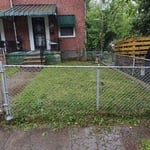
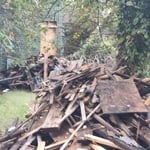
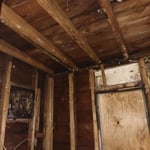
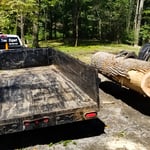
Demolition of brick and wood
Additional Photos
Additional Photos
Additional Photos
Additional Photos

+45

Recommended by100%of homeowners
TJ&K Home Improvement
4.3(
7
)
Tree RemovalTree Removal - For BusinessTree Stump - Remove+7 more

Serving Columbia, NC and surrounding areas

In business since 1998

Free estimates

"

The damaged subflooring replacement went quite well (an A Rating on this). The faucet installation was also okay, but the rest of our experience with Mr. Saunders was not very satisfactory. He frequently stopped work on our project to tend to other ones. That is not unusual up here, but I almost always had to call him before he would come back, which led to about two months of living with our furniture displaced. Another problem was that his assistant cracked the new light covering. Mr. Saunders did offer to replace it, but by that time there had been so many delays, I told him not to bother since it was not all that noticeable.


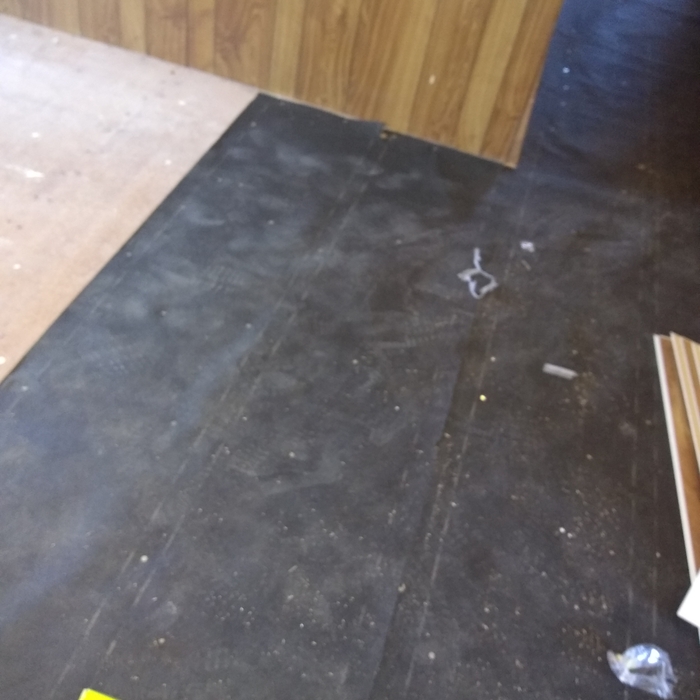
Mr. Saunders also lost professionalism points with me because he constantly complained about things, such as the amount of dust he found under the old carpeting and the number of staples used in the subflooring of our manufactured home.  Then after telling us we had to be extra careful about cleaning up the dust or the vinyl would not lay properly, he and his assistant did not remove the staples and did a sloppy job of leveling the subflooring before laying down the vinyl. Again, as with the light cover, I just decided to give up and get him out of our home.


"
Recommended by80%of homeowners

Showing 1-10 of 34
Arborists questions, answered by experts

The best time to trim trees is in late fall through winter when the tree has slowed its growing for the year. Cold weather stops insects and fungal growth from attacking a new tree wound. Summer and fall are considered the worst times to trim trees, but it’s permissible in certain scenarios, such as tree disease, damaged branches, or small, aesthetic cuts.

Signs include dead branches, growth over structures, diseases, pests, or roots impacting hardscapes.

Using vinegar to kill tree roots is just one of the clever ways to use vinegar around the house. The method works best when you apply vinegar as directly to the root system as possible. For example, if the old tree roots and stump are currently exposed, drill holes in the tops of the roots and pour undiluted white vinegar into the holes to soak into the plant. Remember that vinegar can kill the surrounding grass and plants should it pour over the edge.

Ivy eventually kills trees by restricting its growth, blocking sunlight, absorbing nutrients and water from the soil, and weakening the tree. Trees with ivy are more likely to experience diseases, pests, rot, and fungi growth. When ivy weighs down tree branches, the tree is more likely to break during a storm and cause damage.

In nature, there are many things that can cause a tree to die, including diseases, insects, and natural disasters such as fires or droughts. Non-natural methods of killing a tree include herbicides or manual intervention, such as cutting it down. Consult a tree removal professional about your options for naturally killing a tree.

The Columbia, NC homeowners’ guide to arboricultural services

From average costs to expert advice, get all the answers you need to get your job done.