




Top-rated lead testing and removal specialists.

Best lead testing and removal specialists near Boiling Spring Lakes, NC

Enter your zip and get matched with up to 5 pros

Need a pro for your lead testing and removal project in Boiling Spring Lakes, NC?

Select your specific project to find the pro for you.

Top-Rated Lead testing and removal specialists in Boiling Spring Lakes - Updated Nov 2026

Avatar for AdvantaClean of Coastal Carolina
AdvantaClean of Coastal Carolina
4.9(
15
)
Toxic Lead - AbatementToxic Lead - Testing

Serving Boiling Spring Lakes, NC and surrounding areas

In business since 2011

Free estimates

Emergency services offered

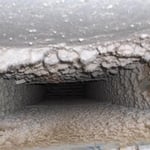
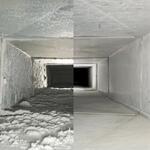
"We discovered mold around our vents inside of the house and called to have an inspection of our system. Eddie Geyer came to our home and was very professional (and polite) from the beginning to the end. We had several companies come out but chose this company due to their fair price, through inspection and professionalism. Mr. Geyer and his crew did an excellent job cleaning our vents (they had never been cleaned before). He answered all our questions and we feel confident that the vents are in much better condition now. I highly recommend this company."
Additional Photos
Additional Photos
Additional Photos
Recommended by100%of homeowners

Environmental Service Group
New to Angi
Toxic Lead - Testing

Serving Boiling Spring Lakes, NC and surrounding areas

In business since 2010

Free estimates

Credit card accepted

We pride our company on reliability, great communication, integrity, and quality work. We are experts in our trade and will do our best to keep you as educated as we can on your particular task or project. We look forward to earning your business! We are family owned and operated, so please let us know how our family can take care of yours! \n \n

Lead Testing and Removal FAQs, answered by experts

Hazardous waste is waste that poses a threat to human or environmental health. This generally refers to waste that is flammable, corrosive, toxic, or reactive. To confirm if the waste you need to remove is considered hazardous waste, contact your local hazardous waste facility.

You can paint over lead paint, or “encapsulate” it with a special paint that includes an ingredient called an encapsulant. The EPA approves encapsulation as a lead paint removal method as long as the paint remains undisturbed. Standard types of paint without an “encapsulant” from the big box stores or hardware stores do not meet EPA standards for remediation of lead-based paint.

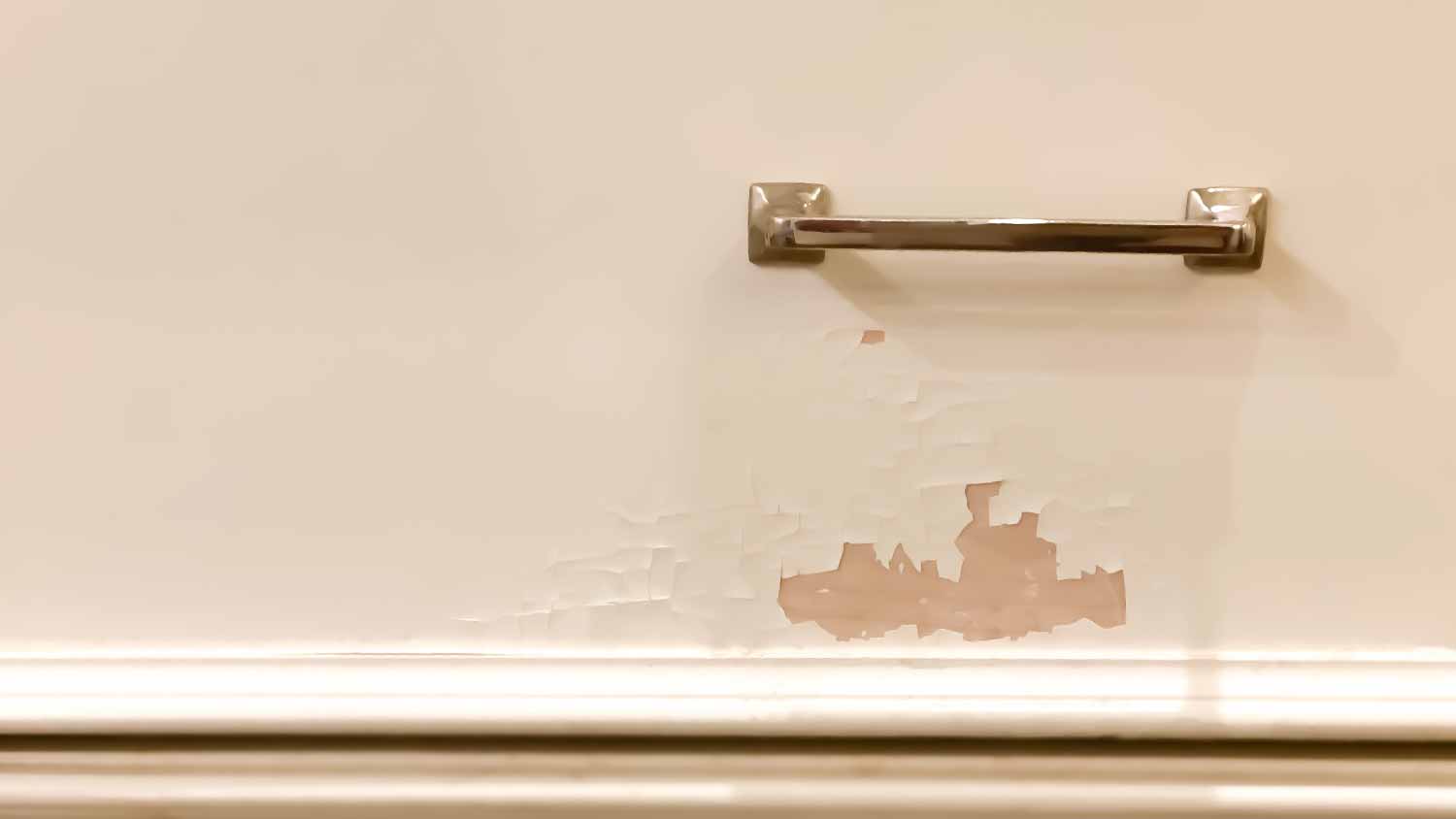
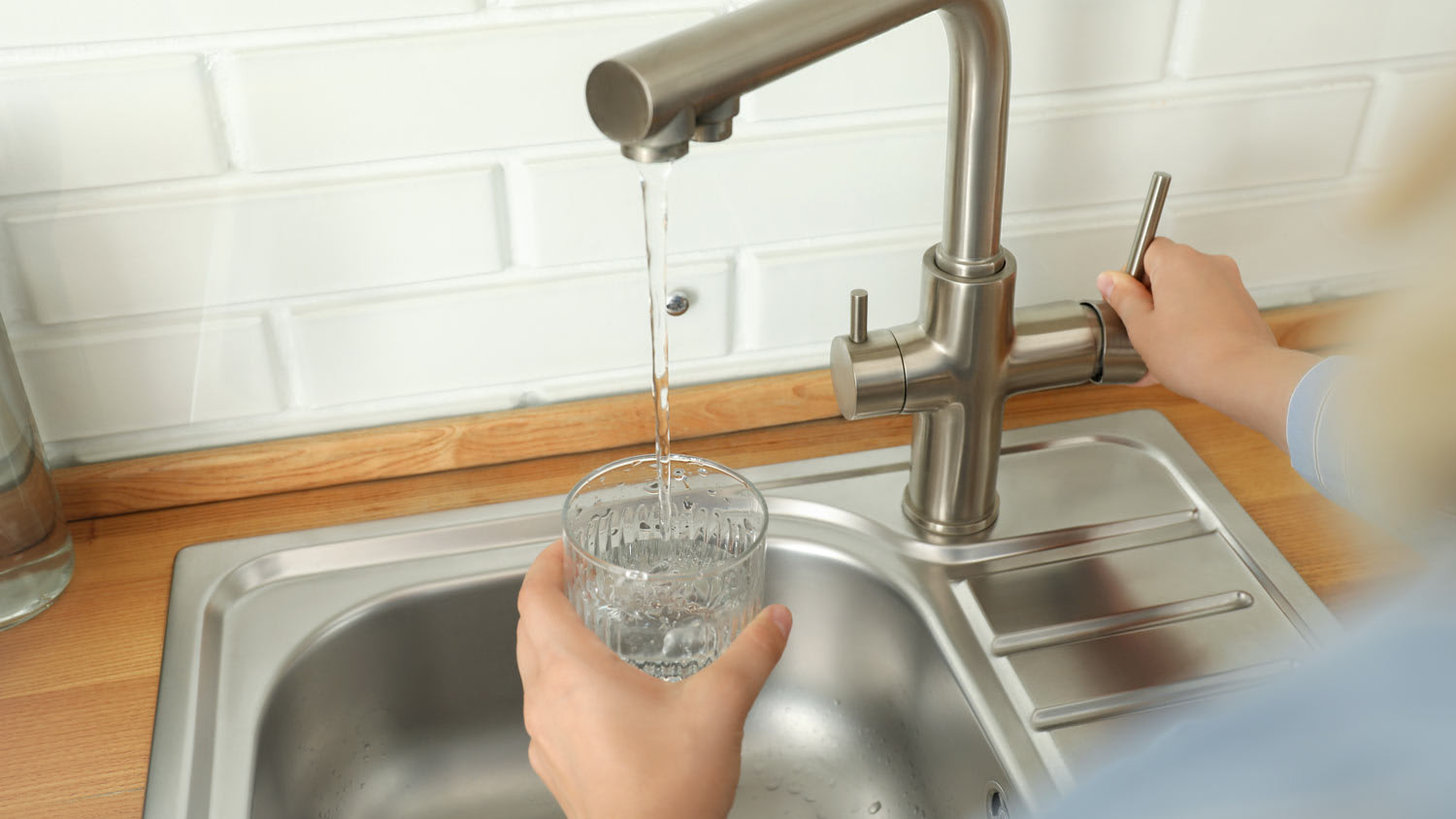
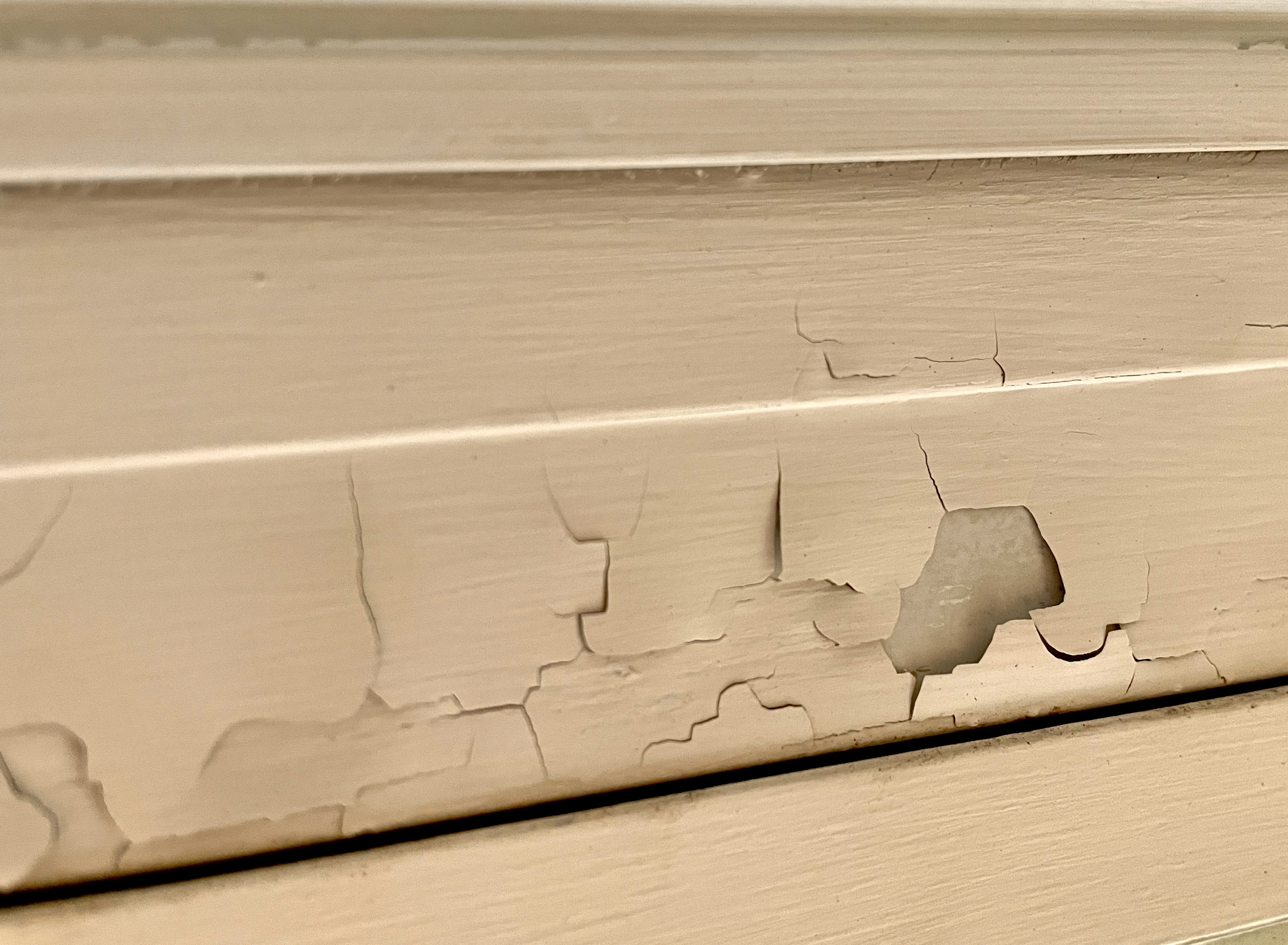
Lead toxicity comes from inhaling lead or consuming it. Before the 1980s, when the government banned lead from consumer use, it could be found in paint, plumbing, pipes, ceramics, and even gasoline. Lead paint is toxic for the same reason lead itself is toxic, which is why lead poisoning from paint presents the same as lead poisoning from water or food sources, with a slight increase in respiratory symptoms vs. digestive symptoms. Lead paint is most dangerous when it’s old and peeling, cracking, or otherwise disturbed. This increases the concentration in the air and, therefore, in breathable air. 

No, a standard home inspection includes the basics and does not offer lead paint testing. Professional lead paint inspectors need specific licenses to perform these inspections, which not all home inspectors have. If you suspect lead paint in the home you are about to purchase, you will need to pay separately to have that done. If the findings come back positive, you may be able to negotiate with the buyer to cover the cost of the removal.

According to the Environmental Protection Agency (EPA), hazardous waste is generally classified into four main categories:

1. Characteristic Wastes: These exhibit at least one of four hazardous traits: ignitability (flammable, like gasoline), corrosivity (can rust or decompose materials, like car batteries), reactivity (unstable and can explode, like aerosol cans), or toxicity (harmful when ingested, like lead-based paint).

2. Listed Wastes: These are specific wastes from manufacturing and industrial processes that the EPA has officially designated as hazardous. They include byproducts from processes that use solvents, pesticides, and other chemicals.

3. Universal Wastes: These are commonly generated hazardous items that are subject to streamlined regulations. Examples include batteries, pesticides, mercury-containing equipment (e.g., bulbs), and some lamps.

4. Mixed Wastes: This category includes waste that contains both hazardous and radioactive components, making it subject to regulation by both the EPA and the Nuclear Regulatory Commission.

The Boiling Spring Lakes, NC homeowners’ guide to lead testing and removal services

From average costs to expert advice, get all the answers you need to get your job done.