






8TWO8 Construction Repairs
Handyman for Multiple Small Projects
Serving Black Mountain, NC and surrounding areas
Approved
In business since 2024
Free estimates
Offers commercial services
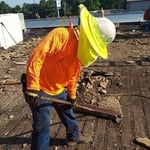
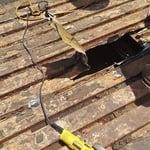
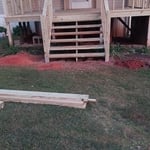
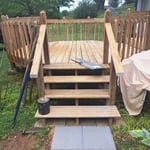
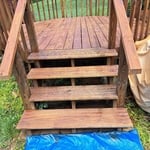
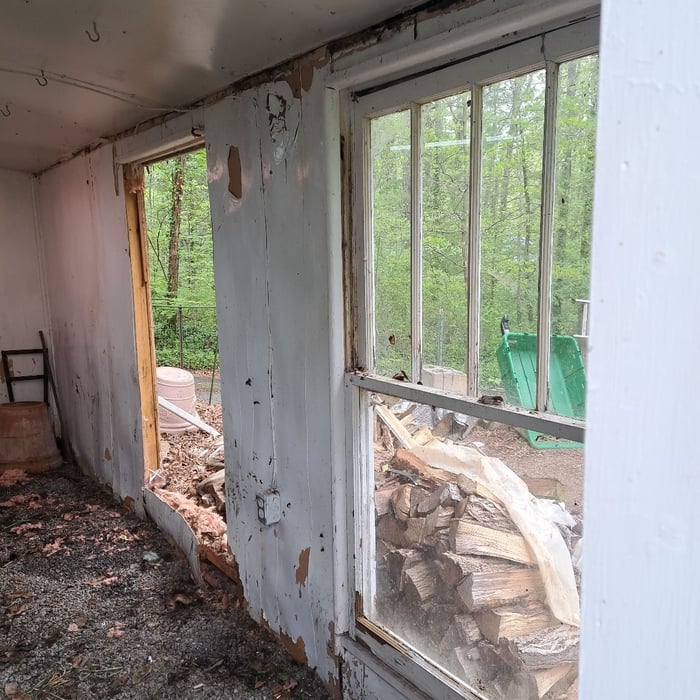
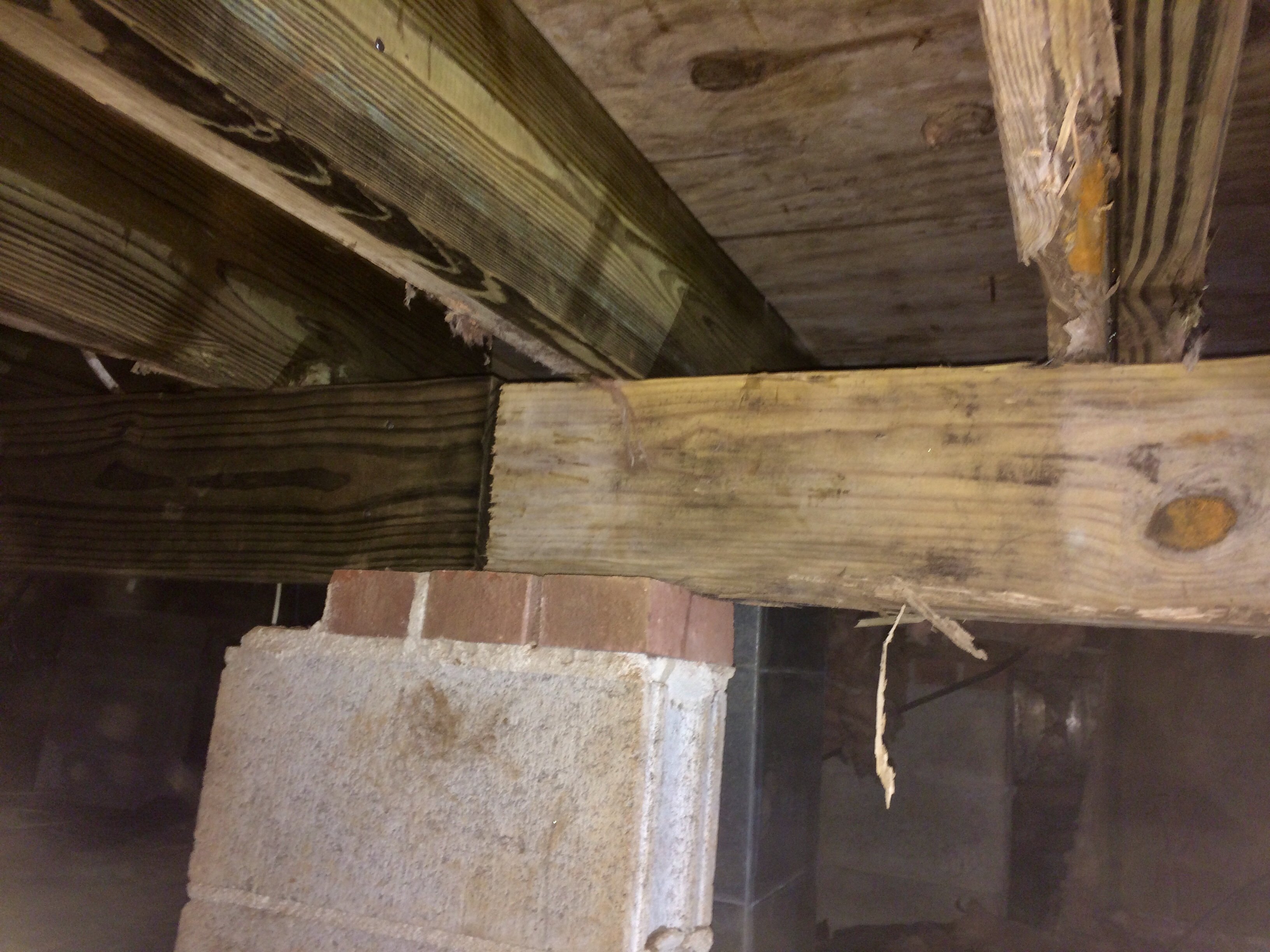
"Carlos and his assistants did great work. We were repairing a 50 year old large barn that needed rotten wood replaced, posts replaced, blocks replaced and block joints repaired, a lot of siding replaced, many holes in the tin roof repaired, gutters installed, rafters repaired, floorboards replaced, outside steps to the upstairs, and painting the whole exterior. Carlos was excellent at spotting problems with the building, communicating them, and coming up with solutions. He worked quick and efficiently and was reliable, always showing up when he said he would and was good at communicating (through text mostly and the occasional phone call). He did a couple extra repairs beyond what I asked him, just because he saw they were needed. He knew what he was doing and what products were needed. To save me money, I bought the materials which was fine with him. I would say his only weakness was in developing a detailed materials list before the project started. He knew what he needed but putting down details on paper wasn't his strong point. He and his helpers were courteous and friendly."
7 neighbors recently requested a quote
Recommended by52%of homeowners