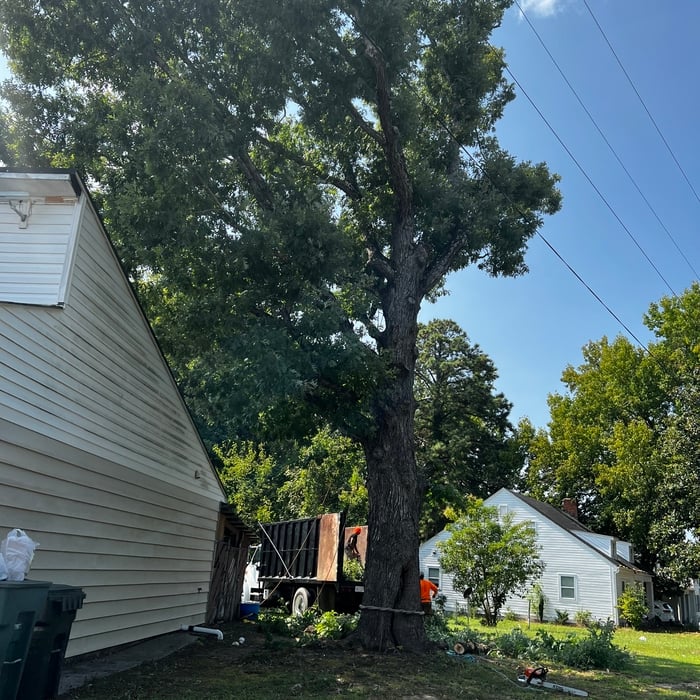






Top-rated arborists.

Get matched with top arborists in Battleboro, NC

Enter your zip and get matched with up to 5 pros

Need a pro for your arboricultural service project in Battleboro, NC?

Select your specific project to find the pro for you.

TRUSTED BY BATTLEBORO, NC HOMEOWNERS

  • Average homeowner rating star icon4.4
    Average homeowner rating
  • Verified reviews icon216
    Verified arboricultural services reviews

Find Arborists in Battleboro

Avatar for Expert Tree Services, LLC
Expert Tree Services, LLC
4.9(
117
)
Tree RemovalTree TrimmingTree Trimming - For Business

Serving Battleboro, NC and surrounding areas

Approved

In business since 2019

Free estimates

Emergency services offered

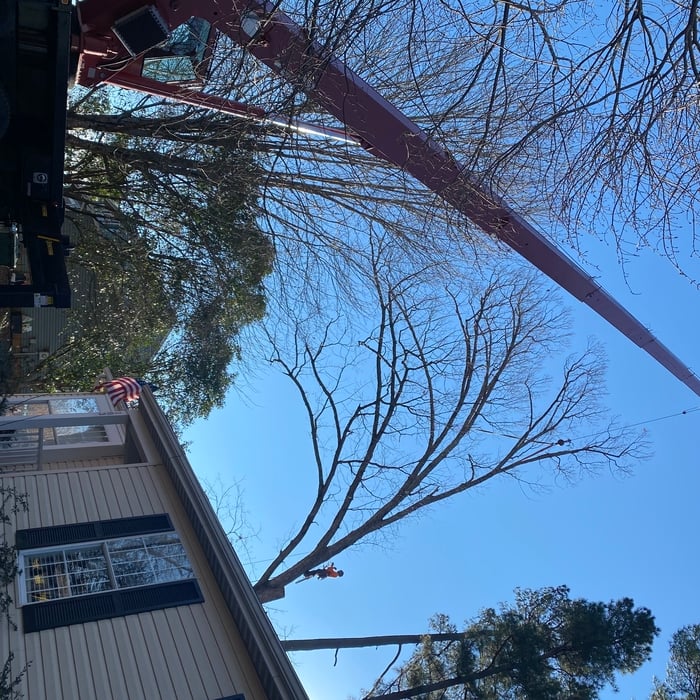
"Expert Tree Service did an excellent job. Walter and his team were professional from the quote to the clean-up after the trees were removed. He and the office staff were patient and kind when I needed to delay the job for a couple of weeks. I highly recommend Expert Tree Service and I would definitely hire them again!"
Baseboard
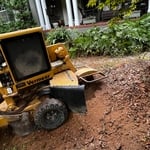
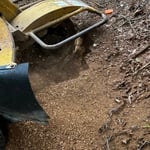
Stump removal
Stump removal
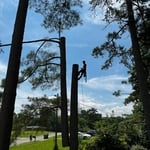
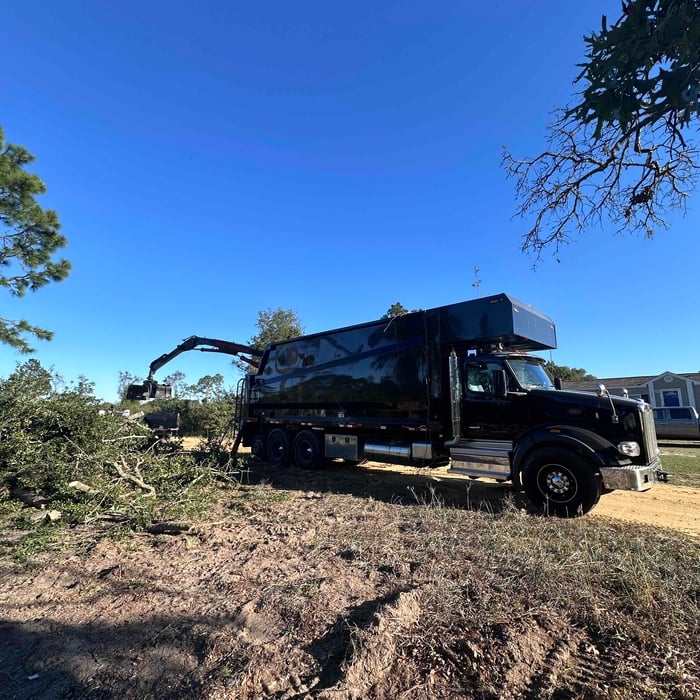
Tree removal.
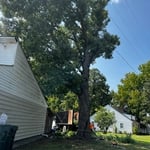
Oak tree removal.

+9

Response time5 hrs
Response rate100%
Recommended by98%of homeowners

Avatar for DC Tree Cutting and Land Service
DC Tree Cutting and Land Service
5.0(
5
)
Tree Removal - For Business

Serving Battleboro, NC and surrounding areas

Approved

In business since 2018

Free estimates

Emergency services offered

With over 10 years of experience in the tree service industry, we are the experts you need to take care of your property. We large tree removal, land clearing, stump grinding and inert debris disposal. \n We will treat your home as we would treat our own. Give DC Tree Cutting a call today, we look forward to working with you!

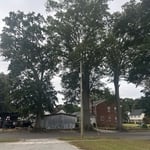
Before tree removal
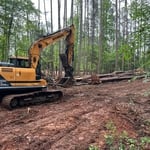
Lot clearing
Land Clearing
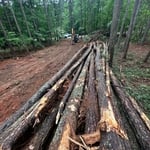
Grapple truck pickup

+2

Response time3 hrs
Response rate100%
1 neighbors recently requested a quote
...
Showing 1-10 of 89
Arborists questions, answered by experts

You can trim just one side of the tree, especially when that side is growing near something like a power line or a home. Pros will carefully trim the tree back until it is safe from that structure. While this is common, it also needs to be done with the utmost care, as pruning or trimming away at one side of the tree may make it structurally unsound. This instance is yet another where hiring a pro is wise, especially if power lines are involved.

If you’re taking down a tree that you don’t suspect is affected by disease or pests and it’s nowhere near your home or other structures, then calling in a tree company should work fine. However, anything more involved means an arborist is a better option. These pros have years of experience with tree removal and can safely take down trees located next to structures, and they have the tools, sanitization equipment, and experience to remove sick or dying trees without infecting nearby trees. 

The best time to transplant a tree is when it is dormant. For many trees, this means either in the fall after the leaves have dropped (around October or November) or in early spring before new growth begins (around March). The ideal timing can depend on the type of tree. Deciduous trees do well when moved in early spring or fall, while evergreens are best transplanted in early spring or late summer. For example, pine trees are best moved in early fall, but maples prefer late fall. Avoid transplanting in winter, as the frozen or hard, cold soil poses a significant risk to the roots and prevents the tree from acclimating properly.

A few signs a tree may be dead is if the leaves are dead and there are no signs of new blooms. You can also perform a scratch test on some of the branches to check the condition of the cambium layer beneath the bark.

If it is green, it is still alive, but if several are dry, brittle, and brown, the tree may be dying or dead. Always consult an arborist before assuming your tree is dead because you may be able to save it.

Yes, cutting a tree's roots can cause it to fall, particularly if major support roots are severed. In extreme cases, trimming roots can affect the tree's structure and stability. Many crucial roots are located just below the soil's surface. If you make severe cuts to roots more than 2 inches in diameter, you risk impacting the tree's water flow and its ability to withstand severe winds or storms. Even cutting roots less than half an inch in diameter under or outside the tree's canopy can cut off its water supply, causing it to decline, die, and eventually topple.

The Battleboro, NC homeowners’ guide to arboricultural services

From average costs to expert advice, get all the answers you need to get your job done.