We take great pride in our experience, expertise, quality, and customer service that we provide to meet the consumer's needs. It is our mission to provide excellent workmanship and complete customer satisfaction from start to completion of a project. In order to understand the needs and expectations of our customers, we take great care to work and communicate with every customer in a professional manner. Our reputation is based on service, safety, and quality, regardless of how large or small the job.
We pride our company on reliability, great communication, integrity, and quality work. We are experts in our trade and will do our best to keep you as educated as we can on your particular task or project. We look forward to earning your business!
That pungent rotten egg smell coming from your drain is likely the buildup of biofilm—hair, skin, and soap scum that turns into a black sticky mess. In this case, pouring down near-boiling water, baking soda, and white vinegar will remove the smell. Keep in mind that a rotten egg smell is occasionally a sign of larger sewage line clogs and other related issues.
Cat pee has a strong ammonia-like smell, so if you smell cat pee but don’t have a cat or don’t suspect your cat has any accidents, there could be other issues at hand. Aside from pet urine, your house may smell like cat pee from leaking freon from an old fridge, mold, spilled cleaning supplies, or even outside odors from nearby farms.
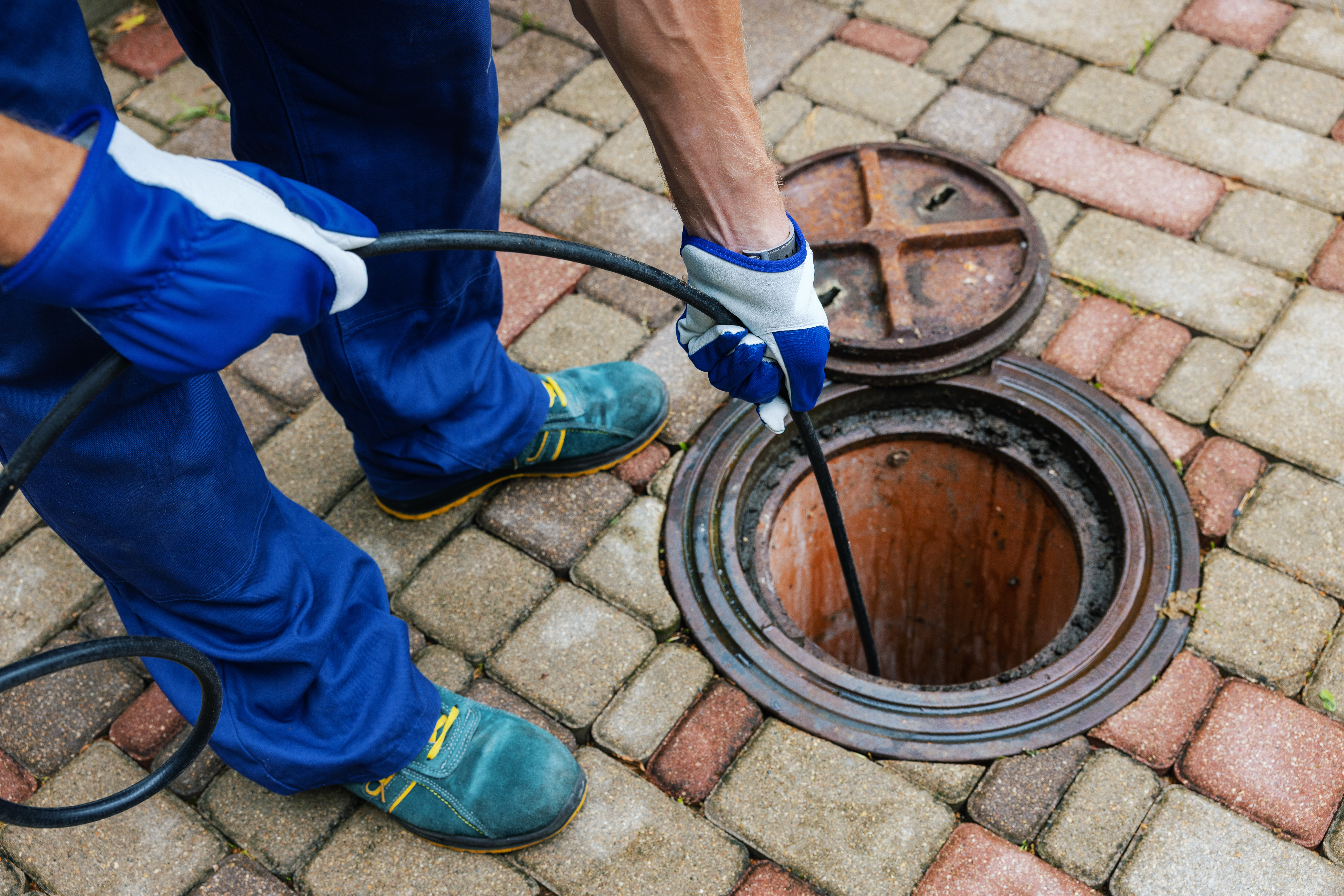
It can take anywhere from half an hour to a few hours to fix a main line clog, depending on the cause and severity of it. The job should not take more than a day to complete. Keep in mind that the main line is not the same as your home’s sewer lines (which connect to the main line and run to your house). Your city is responsible for any clogs or damage to the main line itself.
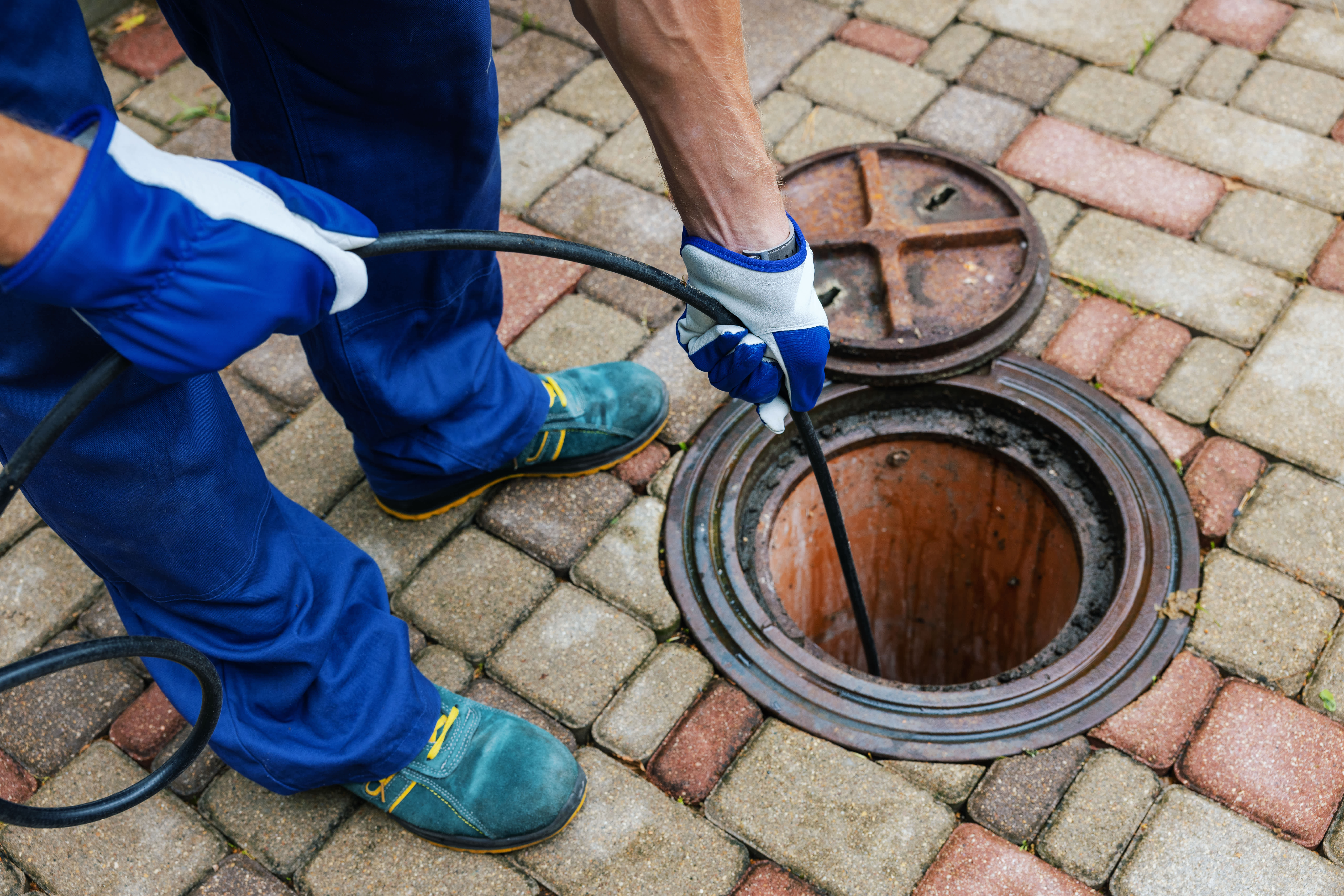
Unlike regular cleanings, snaking your sewer line should be done as needed. There’s no reason to snake your sewer line if you don’t have any noticeable issues, like slow drainage or plugged drains. You can add it to your regular sewer cleaning checklist as a prevention method (on the same 18- to 22-month schedule), but it’s not always necessary.
There are several common signs that your main sewer line may be clogged. Key indicators include multiple fixtures in your home draining slowly, gurgling sounds coming from drains or toilets, and water backing up into showers, sinks, or toilets. You might also notice water backing up from the plumbing system's drain cleanout, water in your basement drain, or unexplained wet patches on your lawn. Foul odors, such as the smell of raw sewage or rotten eggs, are another common symptom. The most reliable way to confirm a main sewer line clog is to hire a professional plumber to perform a camera inspection.
The Stanford, MT homeowners’ guide to sewer cleaning services
From average costs to expert advice, get all the answers you need to get your job done.
A clogged main sewer line can lead to gas or wastewater leaks. Find out what main sewer line clog repair costs by type of service, clog severity, and more.
The best way to keep your sewer line running smoothly is with some regular maintenance. But don’t worry—it doesn’t take much effort. Read on to learn how.
When was the last time you gave your sewer system some attention? If it’s been a while, it might be a good idea to clear any debris out of your sewer line.