





Top-rated landscapers.

Get matched with top landscapers in Rosebud County, MT

Enter your zip and get matched with up to 5 pros

Need a pro for your landscaping project in Rosebud County, MT?

Select your specific project to find the pro for you.

Find Landscapers in Rosebud County

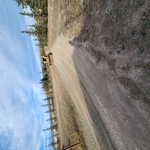
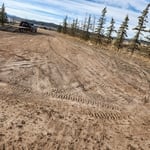
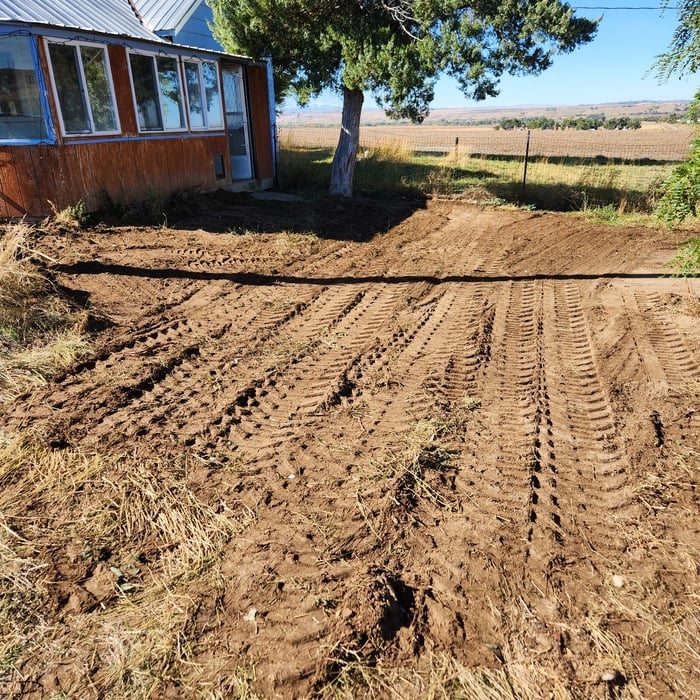
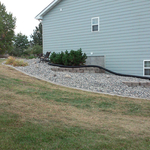
J & J Landscaping and Construction
New to Angi
Landscape - Install Landscaping for Yard or GardenLandscape - Minor Grading or ReslopingLandscape - Minor Grading or Resloping - For Business+6 more

Serving Rosebud County, MT and surrounding areas

In business since 2014

Free estimates

It can be a daunting task looking for not only the right contractor for your job but also the right contractor for you. We completely understand what you're going through. We know every customer has different desires, different needs and different schedules. We're not only here to turn your ideas into reality but to make it a memorable experiences every step of the way. Call us right now, no matter where you are in the planning process.

Landscaping
Landscaping
Response time2 days
Avatar for TCH Builders & Remodeling
TCH Builders & Remodeling
4.0(
2
)
Landscape - Minor Grading or ReslopingLandscape - Minor Grading or Resloping - For Business

Serving Rosebud County, MT and surrounding areas

In business since 1999

Emergency services offered

Credit card accepted

If you dream it, we can build it. What's the biggest difference between us and them? We build to last! We offer a full line of Green and Energy Star Certified products, backed by our labor and manufacturer's lifetime transferable warranties. Credit Cards Welcome Financing Available OAC.

Recommended by100%of homeowners
Wyrick Construction
5.0(
1
)
Landscape - Minor Grading or ReslopingLandscape - Minor Grading or Resloping - For Business

Serving Rosebud County, MT and surrounding areas

In business since 1992

Free estimates

Credit card accepted

"Jasen does great work. We have hired him to do a couple projects for us this past year. It has been a great experience. He has good communication, he gets back to us when we call and his price point is really reasonable. He does good quality work."
Recommended by100%of homeowners
Showing 1-10 of 27
Landscaping questions, answered by experts

Grass is the most popular and safest option for planting over a septic drain field, but you can also plant small flowering plants and other lightweight plants that don’t have woody or deep roots. Avoid trees and bushes within 10 feet of the field, as the woody roots can crack the perforated pipes. You should also avoid planting vegetable or fruit gardens over your drain field, as a leak from the pipes could contaminate the soil and put anyone who eats the produce at risk.

Finding a reputable greenhouse or nursery should start online, where you can read through customer reviews to gauge the quality of the plants sold and the customer experience. Look out for customers complaining about plants dying shortly after purchase, and try to choose a greenhouse known for hiring employees who are able to explain how to care for the plants you purchase. It’s also a good idea to head to a few greenhouses to see the selection they offer and make sure they carry the plants or trees you’re looking for.

Unless it only rains once in a blue moon where you live, you’re going to want water-loving plants in your garden bed or pot. A few ideas for plants that aren’t super fast-growing (meaning they’re good in pots or near foundations) and can handle a lot of standing water include: 

  • Acorus (Sweet flag)

  • Colocasia esculenta (Taro or elephant ear): In many climates, these are annuals, making them less desirable because you need to adjust the chain again after each replant.

  • Equisetum scirpoides (Dwarf horsetail rush): non-dwarf varieties of horsetail are fast growers and can take over quickly.

  • Juncus effusus (Curly rush)

  • Osmunda regalis (Royal fern): Royal fern can grow quickly but can also handle being crowded, making them good container plants.

Yes, you can absolutely transplant bushes instead of removing them completely. The success depends on the size of the bushes, their age, and the transplanting season. Ideally, transplant during the dormant season (late fall or winter). Dig out the entire root system in one piece, fill the new hole with fresh soil and mulch, and water thoroughly after planting.

When planting, it's best to leave several feet between a house and a juniper bush. Many juniper varieties will become quite bushy and require space to grow. Juniper branches that come into contact with siding can damage the home's exterior over time. Also, some juniper bushes have aggressive roots that can put pressure on a home's foundation or basement walls. 

The Rosebud County, MT homeowners’ guide to landscaping services

From average costs to expert advice, get all the answers you need to get your job done.