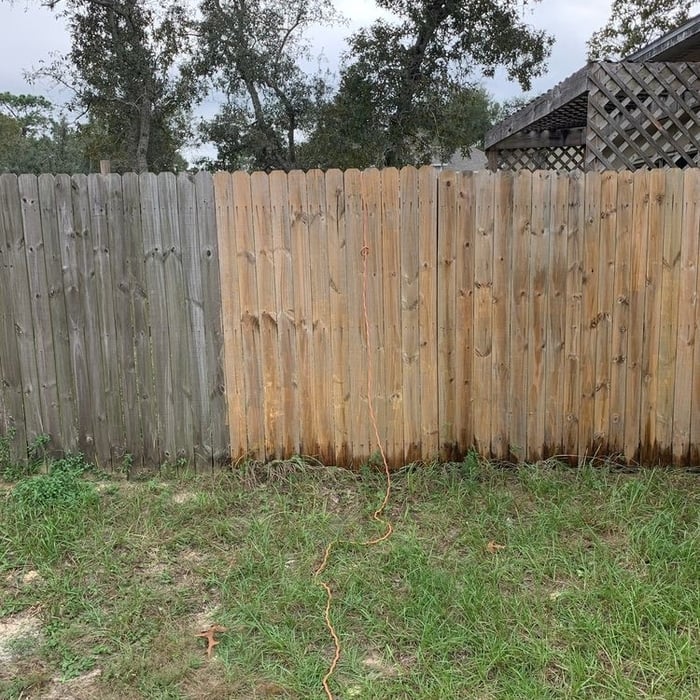
"I am so pleased with Tanner Easley services. He did an excellent job of building my wood fence in my back yard. Polite, helpful, dependable. You name it and I would give an A++. His helper Seth was wonderful too. If you need work done he is the bomb!!!"
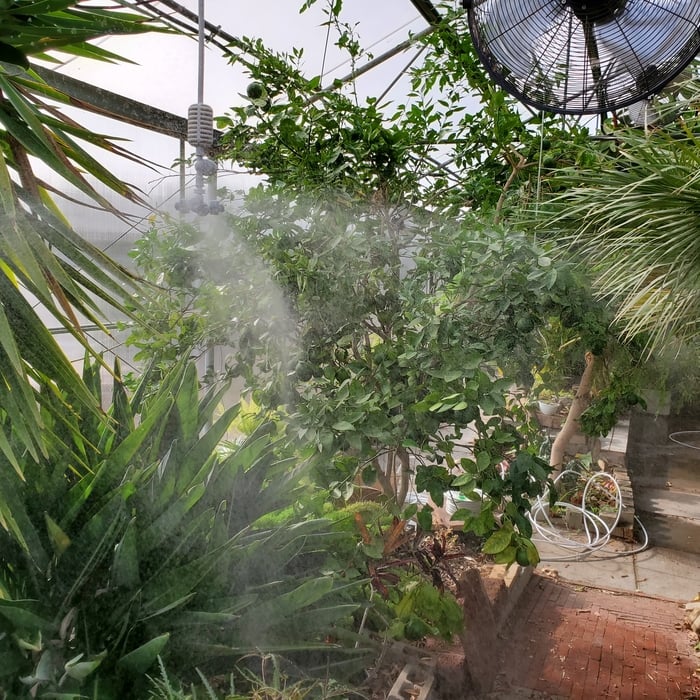
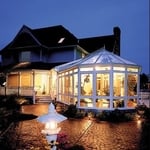
"Everything was fine. I don't think I would need another greenhouse but if I need another one, I would contact them. I would give them the best rating."
Logical Fencing proudly serves it's customers with pride, integrity and attention to the details that matter most to you. This is one of the many things that sets us apart from the rest. We are locally owned and operated. Give us a call today!
We take great pride in our experience, expertise, quality, and customer service that we provide to meet the consumer's needs. It is our mission to provide excellent workmanship and complete customer satisfaction from start to completion of a project. In order to understand the needs and expectations of our customers, we take great care to work and communicate with every customer in a professional manner. Our reputation is based on service, safety, and quality, regardless of how large or small the job. We have consistently focused on the needs of our customers, providing personalized attention and a stress-free experience.
Hood Down Metal Workx is a locally owned and operated company that values honesty and integrity in all aspects of our business. Our dedicated team of professionals have over 10 years of hands on experience, to provide innovative ideas and suggestions tailored to your projects. Our services are customized to your individual needs, paying close attention to the details of each project that we are involved with. Please feel free to contact us today!
If you hire a fence installer for the project, the time it takes to build a fence is about 20 to 30 hours. Tackling the project yourself will take around 40 to 50 hours. It can take longer if you need to obtain permits, level the ground, remove the old fence, or remove a tree.
Armadillos are attracted to water, so a leaky irrigation system or an overwatered lawn can encourage them to move in. They especially like wet areas where they can burrow and loose soil where they can dig for grubs. They are also attracted to dense ground cover, where they can often find food sources.
A fence installer or homeowner should place a snow fence upwind of the desired drift area, while keeping the prevailing wind direction in mind. When installing a snow fence, its posts should be sturdy, as they will be the weakest areas in terms of tensile strength. Posts should be buried at one-third their height and placed no more than eight feet apart.
All fences offer some degree of privacy, but standard perimeter fences may not be designed with that in mind. Dedicated privacy fences, however, tend to enclose smaller areas and feature more high-end materials that truly emphasize seclusion and comfort. Additionally, privacy fences typically offer fewer gaps to peek in through than standard fences, though you can likely adjust that to suit your preferences.
Because this composite fencing and deck material is made from both wood and plastic, it’s more durable than either alone. It’s so popular for outdoor purposes because it really does stand the test of time. Heavy rain and high heat won’t greatly change its structural integrity; it can last up to 25 years in total with proper care.
The Richland County, MT homeowners’ guide to fencing services
From average costs to expert advice, get all the answers you need to get your job done.
Chain-link fences are among the most affordable options available. Use this chain link fence cost guide to see what your fence installation will total.
Fence repair costs depend on the extent of damage, your fence's material, and how much of the fence you need to fix. Explore all the price factors in this guide.