







Top-rated sewer cleaners.

Get matched with top sewer cleaners in Lolo, MT

Enter your zip and get matched with up to 5 pros

Need a pro for your sewer cleaning project in Lolo, MT?

Select your specific project to find the pro for you.

Find Sewer cleaners in Lolo

Sewer Cleaning questions, answered by experts

The cost to clean a sewer line is about $370, ranging from about $190 to $550 on average. The specific cleaning method and the problem's severity will impact the project's overall cost. Some of the most common sewer line cleaning methods include:

  • Snaking or rodding: $100–$250

  • Hydrojetting: $350–$600

  • Chemical treatments: $600–$1,000

  • Repair or replacement: $1,000–$7,500

Snaking a toilet is similar to clearing sinks and bathtubs, but there are unique circumstances where you’d have to drain, disassemble, and remove the toilet to fix the clog. For stubborn clogs in the toilet trap, a toilet auger—designed with a shorter cable and a protective plastic encasing—can navigate the tight bends and clear the clog without risking damage to the porcelain. 

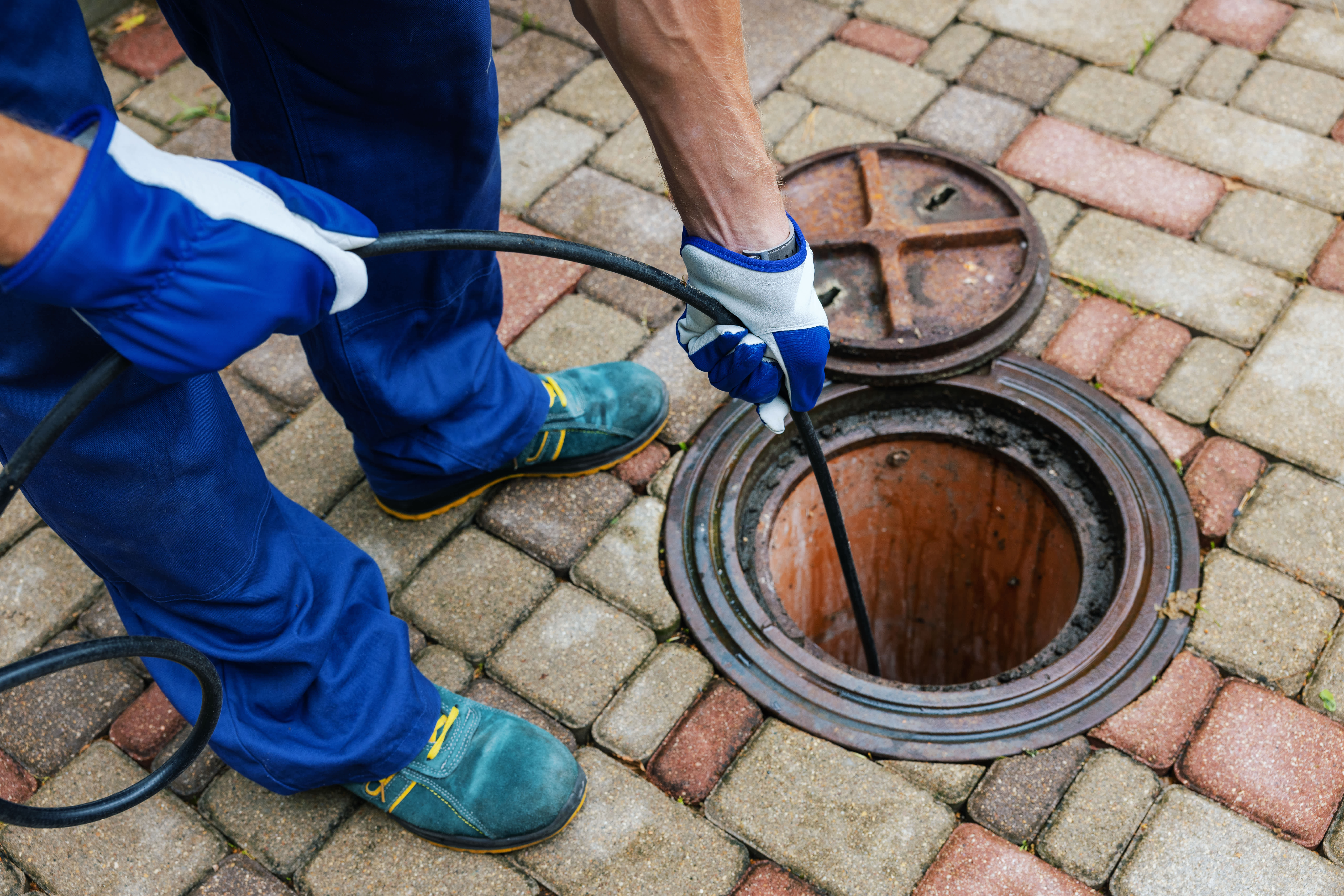
You should not attempt to snake your sewer yourself. Accessing and snaking your sewer requires heavy-duty equipment, and while renting is possible, misusing it can damage your sewer main and leave you with very expensive repair costs, not to mention potential environmental issues and severe water damage. Accessing your sewer also exposes you to hazardous sewer gasses, and failing to seal the sewer properly after work can be very dangerous. It’s always best to hire a professional sewer cleaner near you to handle this type of work.

Snaking a drain can take as little as a few minutes for small, simple clogs, up to two hours or more for tough clogs located further down the drain line. For tougher clogs, a professional drain cleaner can likely get the job done much more quickly because they have the necessary tools and expertise. However, your drain cleaning pro might not be able to give you a firm time estimate until inspecting the clog and its surrounding plumbing.

Depending on the home, wastewater either goes into a septic tank and seeps back into the backyard or is sent via sewer system to a local sewage-treatment plant. Septic systems naturally separate different components of the waste so that it can naturally and safely disperse it. They are usually reserved for homes not served by a municipal sewage department (like rural homes). A treatment plant, on the other hand, speeds up that process through screening and purification.

The Lolo, MT homeowners’ guide to sewer cleaning services

From average costs to expert advice, get all the answers you need to get your job done.