"Repairman, Juan, did an awesome job of repairing my toilet. He was very polite and pleasant to be around. I would highly recommend Juan from Home Defense Plumbing. He was awesome!!!!"
If you dream it, we can build it. What's the biggest difference between us and them? We build to last! We offer a full line of Green and Energy Star Certified products, backed by our labor and manufacturer's lifetime transferable warranties. Credit Cards Welcome Financing Available OAC.
We take great pride in our experience, expertise, quality, and customer service that we provide
\nto meet the consumer's needs. It is our mission to provide excellent workmanship and complete
\ncustomer satisfaction from start to completion of a project. In order to understand the needs and
\nexpectations of our customers, we take great care to work and communicate with every
\ncustomer in a professional manner. Our reputation is based on service, safety, and quality,
\nregardless of how large or small the job.
\n
A standard toilet flange should fit snugly into the outflow pipe and sit level with the subfloor. Installing a new one without first removing the old one will make it impossible to form a seal and keep the toilet bowl bolted securely in place.
However, if you’re dealing with leakage or wobbling because you’ve installed a new type of bathroom tile (making the floor taller), you may be able to avoid fully replacing the flange by opting for a toilet flange extender. Extenders typically come in kits for easy DIY installation, fit over the existing flange, and bring the drain connection higher.
The most common toilet repair is dealing with clogs, followed closely by replacing a worn-out flapper. While clogs can happen anytime in any toilet, they most commonly occur with older toilets that have smaller diameter clearances and often empty into smaller diameter sewer connections. Because toilet flappers only last a few years, they are next in line for the most common toilet failures.
The average cost to hire a plumber is typically between $45 and $200 per hour, with a common average rate around $125 per hour. This cost can vary based on your location, the plumber's experience, and the complexity of the job. Rates are often broken down by experience level: an apprentice may charge $45 to $90 an hour, a journeyman $60 to $110 an hour, and a master plumber $80 to $200 an hour. While hourly rates are standard, some plumbers may charge a flat fee for routine projects or offer project-based pricing. It's also common for plumbers to charge a minimum service or trip fee. For reference, some typical flat-rate costs for common jobs include: drain unclogging ($220), leaky faucet repair ($270), burst pipe repair ($400), toilet repair ($300), and water heater repair ($600). Note that these rates are for standard service hours; emergency, holiday, and after-hours calls will cost significantly more.
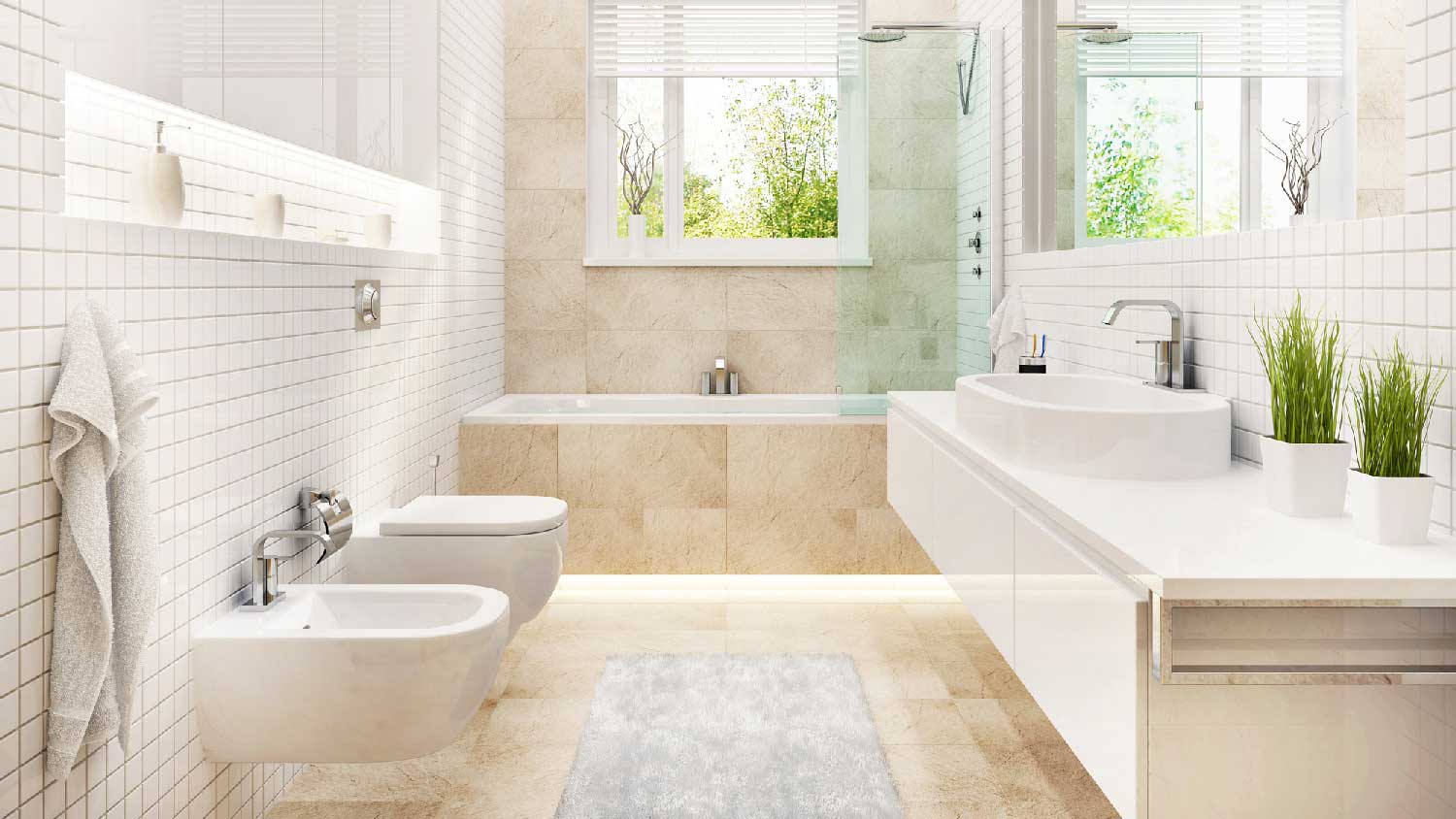
Whether wall-mounted or floor-mounted toilets are better comes down to personal preference.
Overall, standard floor-mount toilets are less expensive to purchase and install, but they don’t offer the streamlined, modern appearance and adjustable height of wall-hung toilets. Ease of cleaning should also be considered, as wall-hung toilets are easier to clean than standard models.
If you notice water coming out of the bottom of your tank or the flush handle, you obviously have a leaking tank. Water on the side of the tank can indicate cracks. Other signs include the toilet running and flushing without anyone touching the handle, needing to jiggle the handle to make the water stop after flushing, or needing to hold the handle down to empty the water tank.
The Lodge Grass, MT homeowners’ guide to toilet services
From average costs to expert advice, get all the answers you need to get your job done.
Everyone can relate to having toilet issues—we’ve all been there. There are several reasons why your toilet might need repairs, and the cost varies based on the damage.
Toilets are a mainstay of American bathrooms, but is it time for a bidet? Before you decide, here’s everything you need to know about bidets versus toilets.
Remodeling a bathroom? Toilet dimensions matter more than you think. This guide will tell you everything you need to know—from seat height to clearance.
Understanding the types of toilets you can install in your bathroom is essential. You don’t have to stick to traditional two-piece gravity-flush toilets.
Before purchasing and installing a new toilet, you need to know the toilet rough-in measurement to ensure proper integration. Here’s how to get it done.