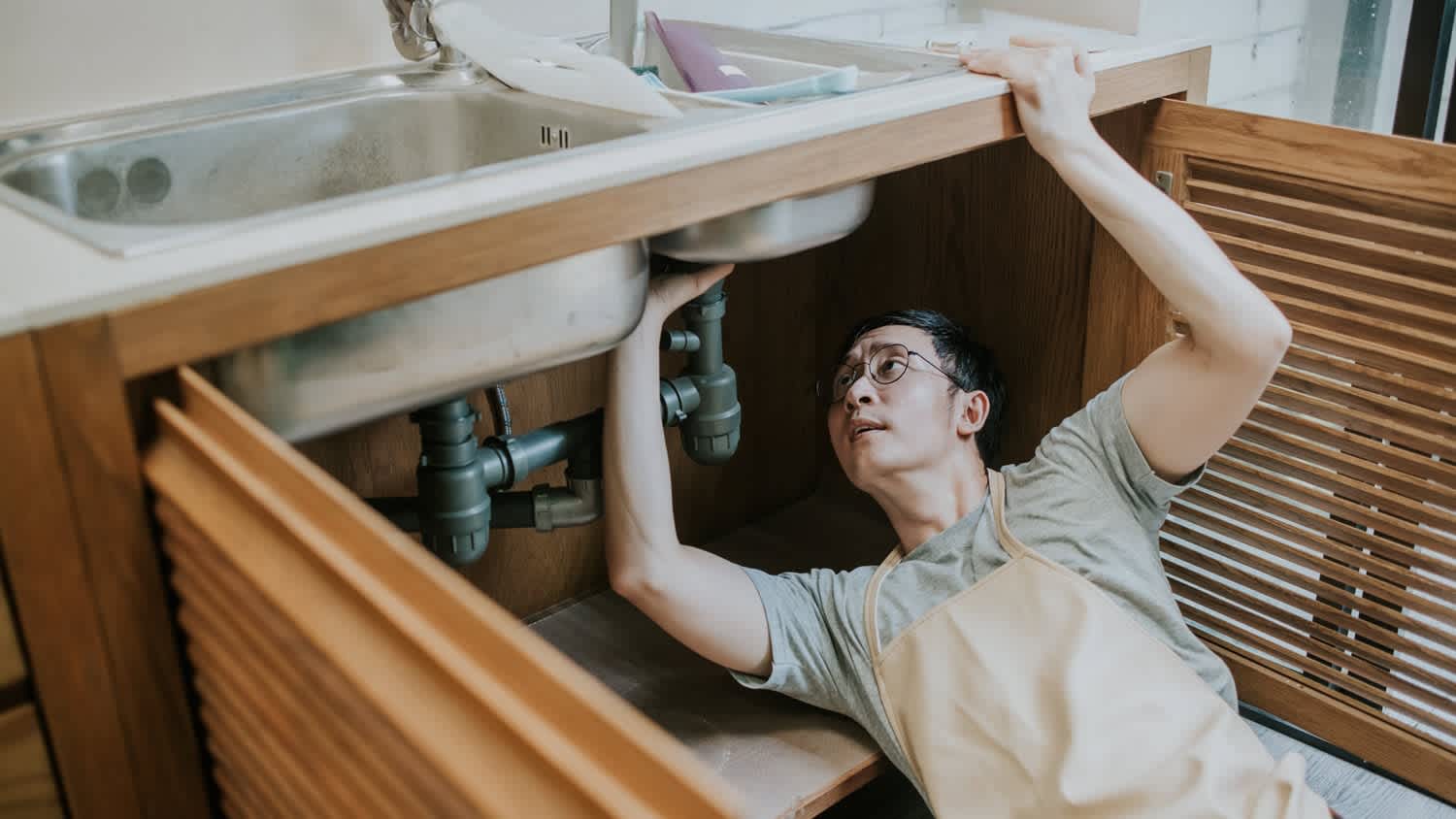
"Joe from JMS Drain Services was my service technician who arrived well within the window scheduled service time. Joe came in, inspected the sink to determine how to resolve my issue, took out the tool (snake apparatus) to clear the sink, and departed my premises within 15 minutes. I was pleased he resolved my clogged sink so quickly so I could rest after a night's work. Thank you again, Joe."
"Well, the first time the replacement was ordered it was the wrong one, which of course, delayed the installation a week. When it was finally installed I had to pay an additional $850 for code upgrades. This I was not informed of by Home Shield. Then we noticed that there was water on the garage floor and found that the pipe coming in from the wall was leaking at the wall so had to call the plumbing company back out to fix it. They first tried to say it was not their fault but since there wasn't a leak before they installed they did fix it. I have used Home Shield a few times before and never had a problem. Some of the companies they use are not the best so you have to research them before you commit. I have found HS service to be good if you do your homework. At the end of the day I was without hot water for almost 3 weeks but it was do to the plumbing company they sent out."
If you dream it, we can build it. What's the biggest difference between us and them? We build to last! We offer a full line of Green and Energy Star Certified products, backed by our labor and manufacturer's lifetime transferable warranties. Credit Cards Welcome Financing Available OAC.
Today’s standard sink stopper size is 1.5 inches. However, you can still find different sizes if your house uses an older sink stopper. Other sizes you can find in most hardware stores include one inch, 1-1/4 inch, 1-3/8 inch, 1-5/8 inch, 1-7/8 inch, 2 inch, 2-1/4 inch, 2-3/8 inch, and 2.5 inch.
Yes. You can replace just the stopper portion with a universal sink stopper. All you need to do is open up the existing stopper and pull it up from the drain. You should be able to remove and replace the stopper with bare hands. If the existing stopper seems to be stuck, use a pair of pliers to remove it.
If you find moisture under your sink, you can clean up the worst of it with paper towels or regular towels. Then, leave the cabinet doors open to allow air circulation. You can also place a fan or dehumidifier near the cabinet to help dry it out a little quicker.
Yes, a toilet, sink, and shower can share the same vent. This is a common installation method that can simplify plumbing and save space. However, there are important considerations. The vent and associated plumbing must be large enough to handle the demands of all fixtures without compromising the vent's effectiveness. Additionally, the toilet should always be located downstream of all other fixtures. Because requirements can vary and space might be limited, it is essential to check your local building and plumbing codes and consult with a qualified plumber to ensure the installation is done correctly.
Depending on the issue and materials, costs range from $150 to $500.
The Lodge Grass, MT homeowners’ guide to sink installation services
From average costs to expert advice, get all the answers you need to get your job done.
Sink installation costs depend on the type of sink, the material, and the labor. This guide can help you budget for your project—from pedestal to farmhouse.
Pedestal sinks are small bathroom wonders, but how much does a pedestal sink installation cost? Learn the cost factors for adding one to your bathroom.
Learn how to hire a qualified sink installation pro. Discover questions to ask, qualifications to check, and tips to find the best pro for your project.
Installing a new kitchen sink involves removing the old sink and putting in the new one. Follow these steps to learn how to install a kitchen sink like a pro.