We're a locally owned and operated company with over 22 years of industry experience. We value honesty and integrity, and stand behind our work. We specialize in cabinetry installation, custom closets, interior trim and decorative molding installation, built-in furniture, and a variety of related projects. We pride ourselves on the quality of our work as well as our commitment to outstanding results. We look forward to building long-term relationships with our clients and guarantee your satisfaction!
It is possible to apply plaster on the interior or exterior of your home, but we don’t recommend it. Plaster is easy to apply in theory, but in reality, it can be a challenging material to work with, and it’s difficult to get the finished product to look clean, even, and smooth. Many DIYers end up calling in a professional afterward to touch up the area or even redo it entirely because of mistakes they made in the process. Hiring a plaster pro will cost more, but it’s usually the best option to achieve high-quality results.
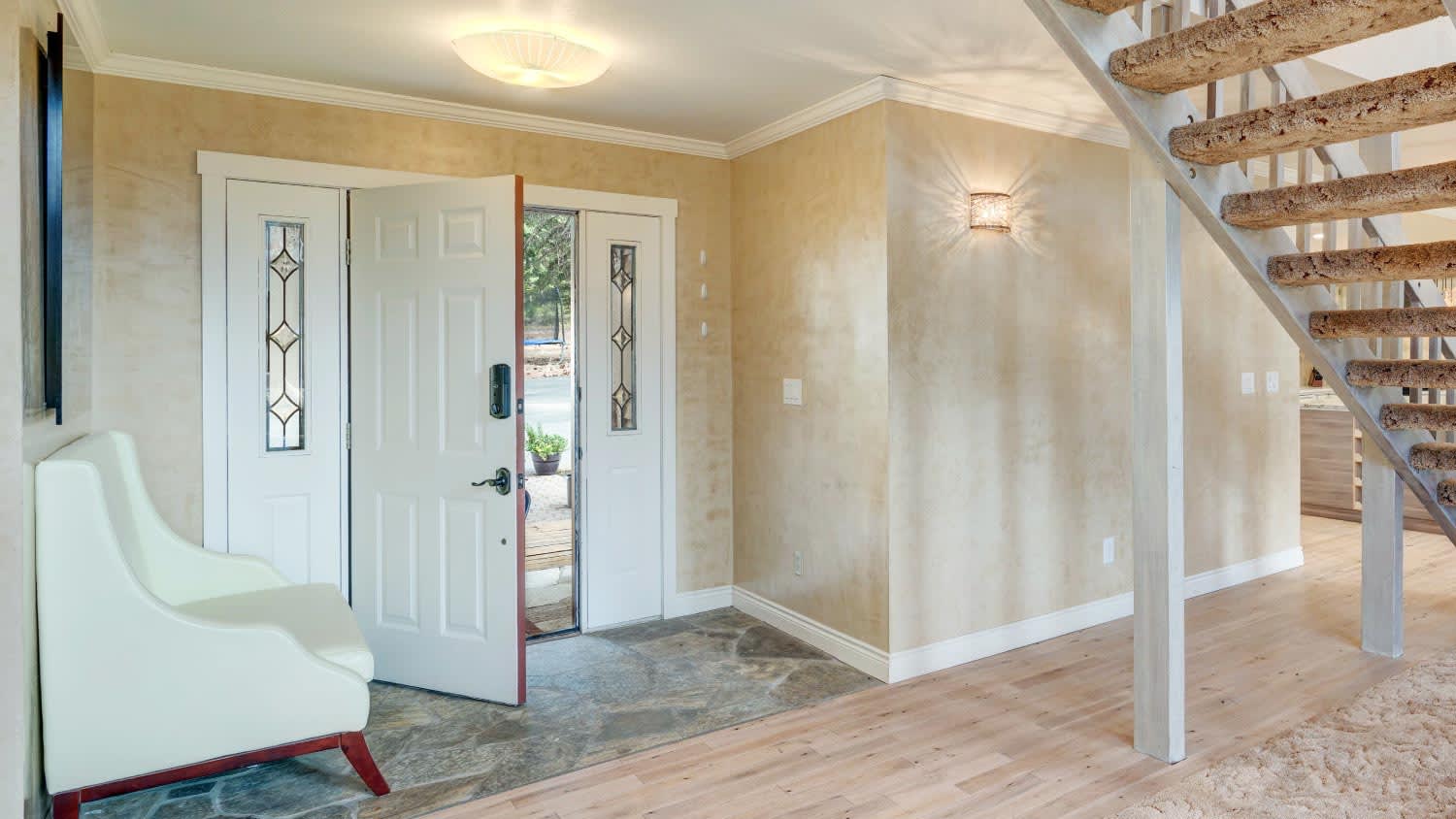
The allure of Venetian plaster lies in its unique appearance and individual characteristics in a home. It’s sophisticated and multidimensional and has a rich history dating back to Ancient Rome. This type of plaster finish is durable and represents a style of luxury that has been practiced for thousands of years. Many designers pair the texture of Venetian plaster with modern furnishings, resulting in an elegant and refined aesthetic.
The cost to repair a ceiling after a water leak can vary, with averages ranging from $419 to $1,359, or $45 to $55 per square foot. Smaller patches may cost around $150. The final price depends on the size of the affected area and the extent of the damage. Remember that you will also need to repair the source of the leak, such as roof damage or a plumbing issue, which can cost an additional $200 to $1,550. Depending on the situation, you might also face costs for repainting or repairing floors. For an accurate estimate, it is best to get a quote from a professional.
Look for flaking paint or air bubbles that burst and then flake away. Paint will begin to flake after being exposed to minimal moisture or water, so it’s a good indicator of any water damage. If you notice your paint starting to flake, feel the plaster underneath to see if it is soft or damp.
Repairing plaster walls or ceilings is almost always worthwhile. It restores the appearance of your home, and if it's an exterior wall, the repair can improve curb appeal and provide a great return on investment when selling. Plaster repairs can also reinforce the wall, preventing minor cracks from spreading, and improve your home’s energy efficiency by fixing gaps in the insulative material, potentially lowering your heating and cooling bills. Additionally, hiring a professional allows them to check if the damage is from a serious underlying issue, such as foundation instability. Catching a problem like this early could save you thousands.
The Frazer, MT homeowners’ guide to plaster repairs
From average costs to expert advice, get all the answers you need to get your job done.
Venetian plaster can add depth and texture to your aesthetic. Learn how much Venetian plaster costs based on factors like square footage and whether you hire a pro to help.
You can find plaster walls in a lot of older homes. What’s behind these walls—whether that’s lath or calcimine—can have an impact on how long they last. Finding out the age of your house can help you determine what you’re dealing with.