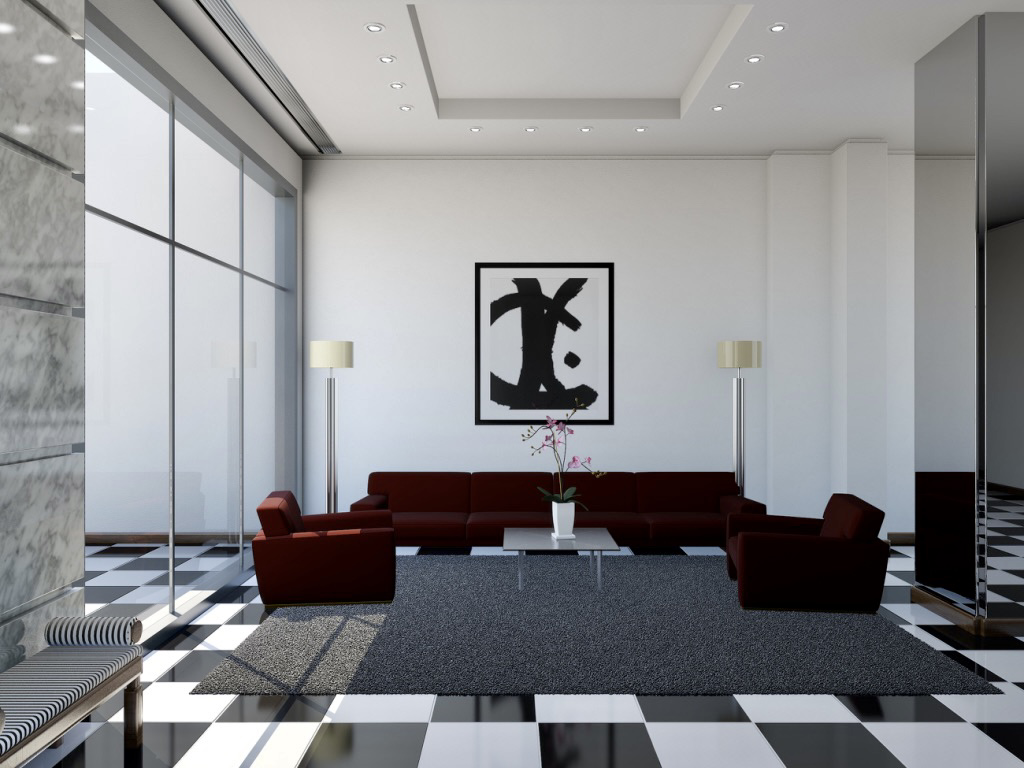
I offer expert plan design consulting, providing personalized blueprint and drafting services that transform your vision into high-quality architectural plans. I specialize in custom floor plans that are site specific, tailored to your specific needs.\n\n We love starting from scratch with your sketches and ideas to create the design you have dreamed of. Providing expert engineering solutions, that ensures every detail of your project is tailored for optimal functionality and structural integrity.\n Not sure where to start? Let’s connect and begin building your dream!
"I was very impressed with the service. I am a photography student so I work with a lot of heavy weight programs and very large files. I also do a ton of research along with my school work. After one year of using my brand new laptop for school, I had NO space left on my computer, it was crashing constantly, files were corrupting, and of course, everything was taking forever to load. I called HelloTech for help. They were very understanding of my need for a very complete and fast repair. They were very prompt, diagnosed the issues with my computer, then gave me options on how it could be repaired and modified to accommodate my needs, along with price quotes for each option. Very professional, we worked out a plan that fixed every issue that I had. I am more than happy with my "new" laptop and I would most definitely hire them again!"
"I will be very honest in my assessment of Amanda. Sitting in front of me I have a beautiful design for my living room and dining room in a townhouse I owned in Houston. Amanda picked beautiful, comfortable chairs, nice wallpaper and very cool lighting. The problem with Amanda is not her ability to design an amazing room - she certainly is very talented. The problem I experienced with Amanda was the inability to handle the details, to stay on top of the project, and to assist with actually putting the room together. This may be a problem in general, with all on-line designers, who knows. I do know that I ordered this package from Amanda in August of 2013. My first conference call with her was some time around October, and my designs were given to me (not the complete design) some time in December. I learned quickly that when Amanda says she would have something for me "by the end of the week," she really meant about 2-3 weeks down the road. In any event, I was elated when I got my first design for my dining room. I delayed placing an order because the stuff she picked was a bit pricey and I wanted to save my money over the holidays. I placed an order in early February for two rugs and a chandelier - totaling well over $3,000.00. Amanda advised that it could take about 4 weeks for the rugs and chandelier to come, which was no problem with me. 8 weeks passed and I began emailing Amanda. (Mind you that the money was charged to me immediately, with no follow up emails from any of the manufactures, no indication of shipping, nothing... so I began to feel uneasy). After a couple of unreturned emails and phone calls, Amanda apologized for the delay, mentioned that she was surprised I hadn't received anything yet, and explained to me her mother was in an accident. No biggie, but I explained to her that I would be out of the country in mid-April and unavailable to sign for anything. She assured me the rugs were en route from Georgia and would be there before I leave. As far as the chandelier, we discovered that they had attempted to deliver it, but Amanda had provided them the incorrect phone number, so they were not able to get in touch with me. I asked her to correct this so I could receive the chandelier. Because I never heard back from the company, and no additional attempts to deliver were made, I am assuming she did not do this. And, as could be expected, the rugs did not come before I left - they came when I was in Germany and when no one was home to sign for them. Since over 12 weeks had passed since my order, I contacted my credit card company and initiated a charge back. They agreed with me that it was concerning that so much time had passed with very little contact, and immediately refunded my money. (Amanda and her husband eventually tried to fight my chargeback, but they were of course unsuccessful. I did not have the goods, and they never attempted to re-deliver them). Also, I will add the following to things about my experience with Amanda, which bothered me: 1) I was told in January I would have curtains and throw pillows picked out "by the end of the week." Those never came. 2) Amanda said she had a client in Florida who would ship me a sample of the wallpaper. This never came either. Amanda said it was shipped to me - I never received it and kind of doubt it ever was. So basically, $500 dollars for two rooms of design got me some dining room chairs (albeit - awesome), a table she picked out that was too expensive so I found a different one, some cool wallpaper that I will never be able to get a sample of, two expensive rugs and a chandelier that resulted in a credit card fight and a headache. At the end of the day, my advice is that if you want a talented and friendly person to design your home, don't mind waiting some time for it all to come together, and are cool with locating the stuff and putting it all together on your own, Amanda may be it for you. If you want a designer who is good at following up with details, assuring stuff gets to you in a reasonable time, and assists with pulling the room together and finalizing your project, I would highly recommend you find someone else."
"I am an Interior Designer and I work for a cabinet company. We have hired One Source Lighting many times over the last 14 years to help with our projects as well as directed our clients to them. I really enjoy working with Laurie and her team, as they makes my job so easy!. They have a beautiful showroom of lighting products and Laurie is very knowledgeable with their line of products. They have provided lighting recommendations, suggestions, and installations from small remodeling projects up to high end new construction. We will continue to use One Source for all our projects, and will continue to highly recommend them."
"I loved her service! I enjoyed the design. She was very pleasant, kind, talented, and professional! This was a long distance consultation service, which made this experience even more incredible!"
Imagine Studios, LLC is committed to excellence in every aspect of our business. We uphold a standard of integrity bound by fairness, honesty and personal responsibility. Our distinction is the quality of service we bring to our customers. Accurate knowledge of our trade, combined with ability is what makes us true professionals. Above all, we are watchful of our customer's interests and make their concerns the basis of our business.
\n
We provide strategic home renovation and design services—helping homeowners maximize their investment in their home--increasing property value, as well as the overall aesthetics. We want to help you design and create all of the function and beauty that you desire in your home and we'll do it at the best possible value (making sure if you do ever sell your home you will receive all of the equity you're placing into it-Return on Investment).
There are a number of reasons that landscape lights burn out, including an incorrectly installed transformer, inconsistent voltage, and burned-out or faulty bulbs. Troubleshoot landscape lighting problems by first determining whether it’s a system-wide problem or an issue with just one light, which will help you get to the bottom of your outdoor lighting woes.
Yes, outdoor lights and receptacles should be on a ground-fault circuit interrupter (GFCI) for safety. The outdoors is considered a wet location where GFCI protection is generally required. A GFCI enhances safety by automatically tripping and shutting off the circuit if it detects an imbalance, which protects against electrocution and reduces the risk of an electrical fire. While it is the safest approach for all outdoor electrical components, specific requirements can vary depending on the type of light (e.g., pool lights), its location, and local electrical codes. For guidance tailored to your specific situation, it's best to consult a professional electrician.
Simple repairs like replacing bulbs can be DIY projects, but professionals should handle significant electrical repairs to ensure safety and compliance with electrical standards.
You can take a few steps to prolong the life of your holiday lights. Make sure to replace burnt-out bulbs as quickly as possible to avoid overloading the rest of the circuit and knocking out more lights. Before packing them up each year, plug each strand into the wall to confirm everything is still working. Wrap the lights carefully back into their original packaging or something similar—winding a strand tightly together or leaving it to hang loose in a storage bin can lead to frayed or damaged wiring.
Outdoor lighting repairs typically take between 1-3 hours. The exact duration can vary depending on factors such as the complexity of the problem, the extent of the damage, and the ease of access to the lighting fixtures and wiring.
The Frazer, MT homeowners’ guide to lighting services
From average costs to expert advice, get all the answers you need to get your job done.
Discover how much under-cabinet lighting costs. Discover installation prices, key cost factors, and expert tips to save on your kitchen or workspace lighting project.
Discover the cost to install recessed lighting. Discover how price factors, labor, and other considerations can help you save on your lighting project.
Lighting can make or break a space. That’s why it’s best to know what your options are and explore the pros and cons of common types of lighting for homes.