If you dream it, we can build it. What's the biggest difference between us and them? We build to last! We offer a full line of Green and Energy Star Certified products, backed by our labor and manufacturer's lifetime transferable warranties. Credit Cards Welcome Financing Available OAC.
There are several homemade solutions for clearing a clogged sink that don’t involve pouring harsh chemicals down your drain. Start by pouring hot (but not boiling) water down the drain. This can help dissolve and flush away grease and gunk. A splash of dish soap down the drain can also cut through fat and make it easier to clear the drain. For a more stubborn blockage, grab a plunger and give it a few firm pumps to dislodge the clog.
The best way to keep a septic tank clean is to hire a local septic tank cleaner to inspect and pump the septic tank every three to five years. Be sure to only flush human waste and toilet paper down the toilet, and don’t pour grease, oil, fats, coffee grounds, or food scraps into your drains.
Before you hire a septic repair pro, make sure you get three written quotes from local companies to help you evaluate qualified candidates. Ask each company to provide proof of licensure and insurance. Finally, when you decide to hire a specific pro or company, ask for a written contract that sets out all the essential terms, including specific work expectations, a timeline, what permits are needed, who is responsible for obtaining permits, and clear payment details, including due dates.
Over time, your septic tank can accumulate a buildup of sludge at the bottom of the tank. If left unpumped and uncleaned, the sludge will back up into your pipes and home, causing failure and extensive (and smelly) damage. Repairs to your septic system can be costly, which is why regular maintenance is required. It takes about 30 minutes to pump a septic tank that’s 1,250 gallons or less or 1 hour for larger varieties.
Some flushable wipes companies say they are designed to disintegrate within a few hours to a few days after being flushed. These wipes allegedly use materials that are more water-soluble than traditional wipes. However, many experts have raised concerns that even so-called "flushable" wipes do not break down as easily as claimed and can contribute to clogs and blockages in sewer systems.
To prevent plumbing and sewer problems, avoid flushing wipes, even those labeled as flushable. Instead, dispose of them in the trash. This can help prevent costly plumbing issues and reduce the strain on wastewater treatment systems.
The Frazer, MT homeowners’ guide to aquarium services
From average costs to expert advice, get all the answers you need to get your job done.
Discover mosquito control service cost estimates, including average prices, key cost factors, and tips to save on professional mosquito treatments for your home.
If you’re moving, you need to consider distance, weight, packing, and more. Our guide provides the average cost to move a 3-bedroom house long distance.
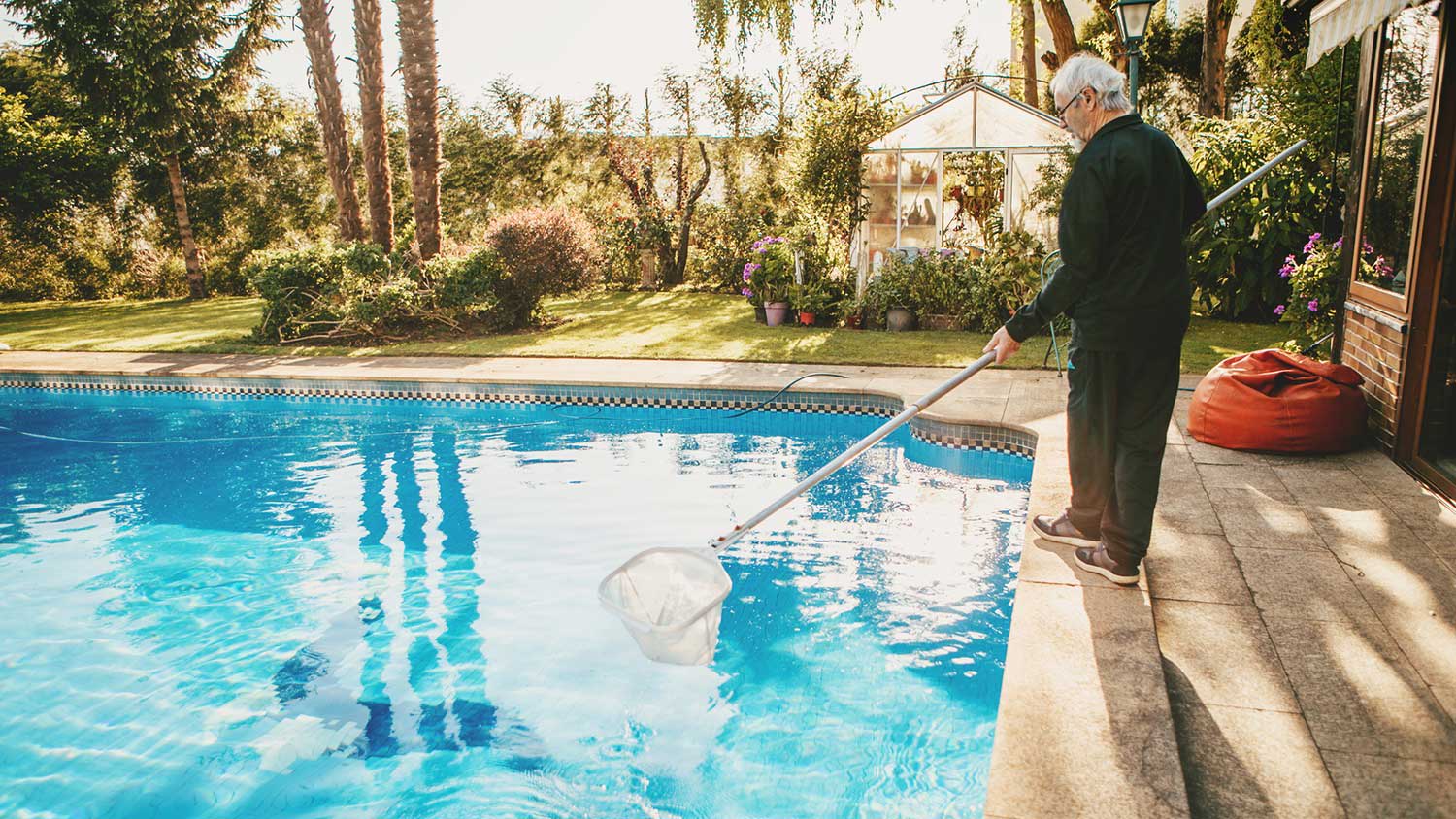
If you live in an area without very cold winters but tempted to close your pool during the cooler months, read on. We dive into the many benefits of winter service.
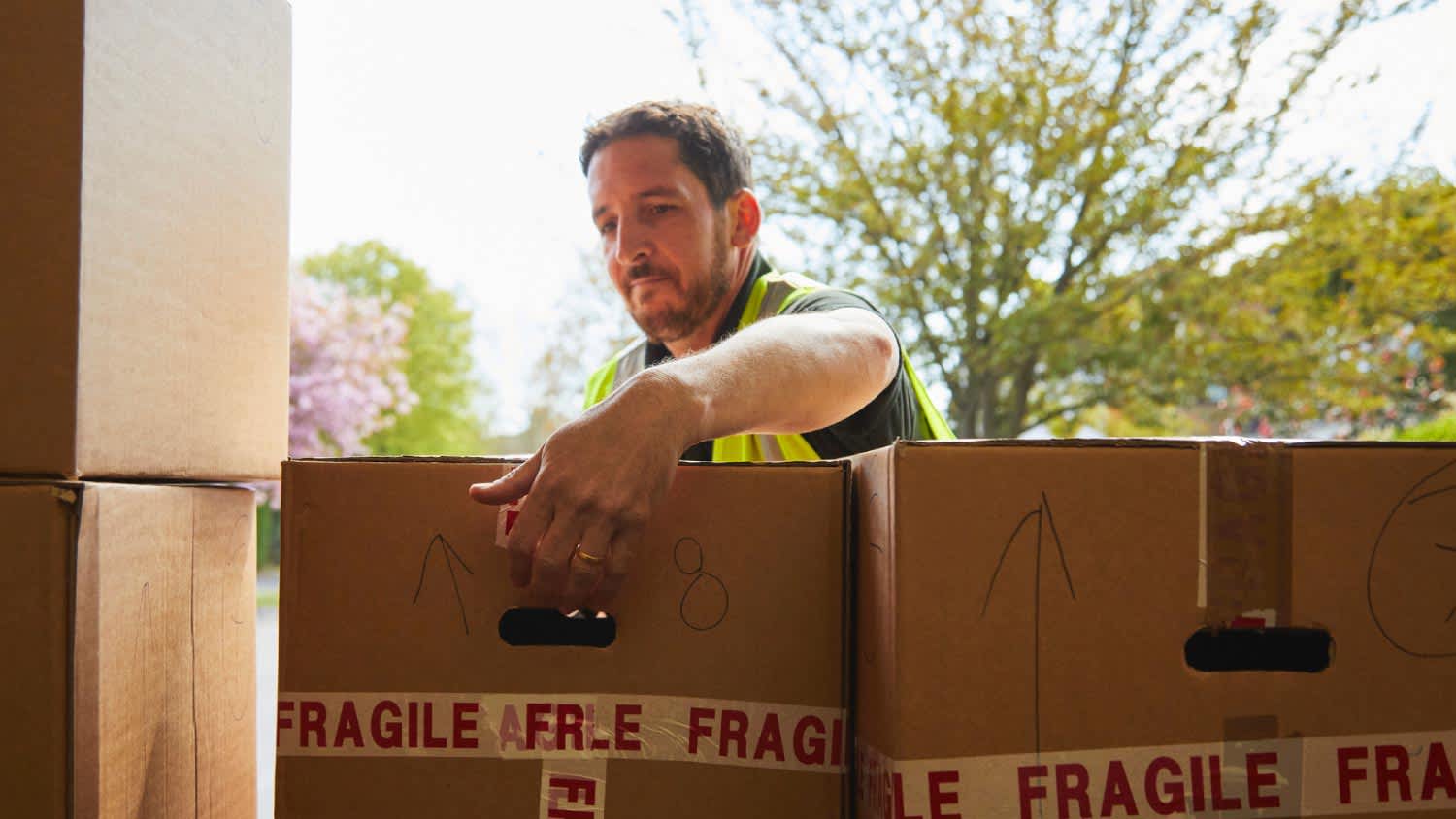
Learn about home items that are nearly impossible to move without movers, either because they are awkwardly shaped, too heavy, or require special equipment.
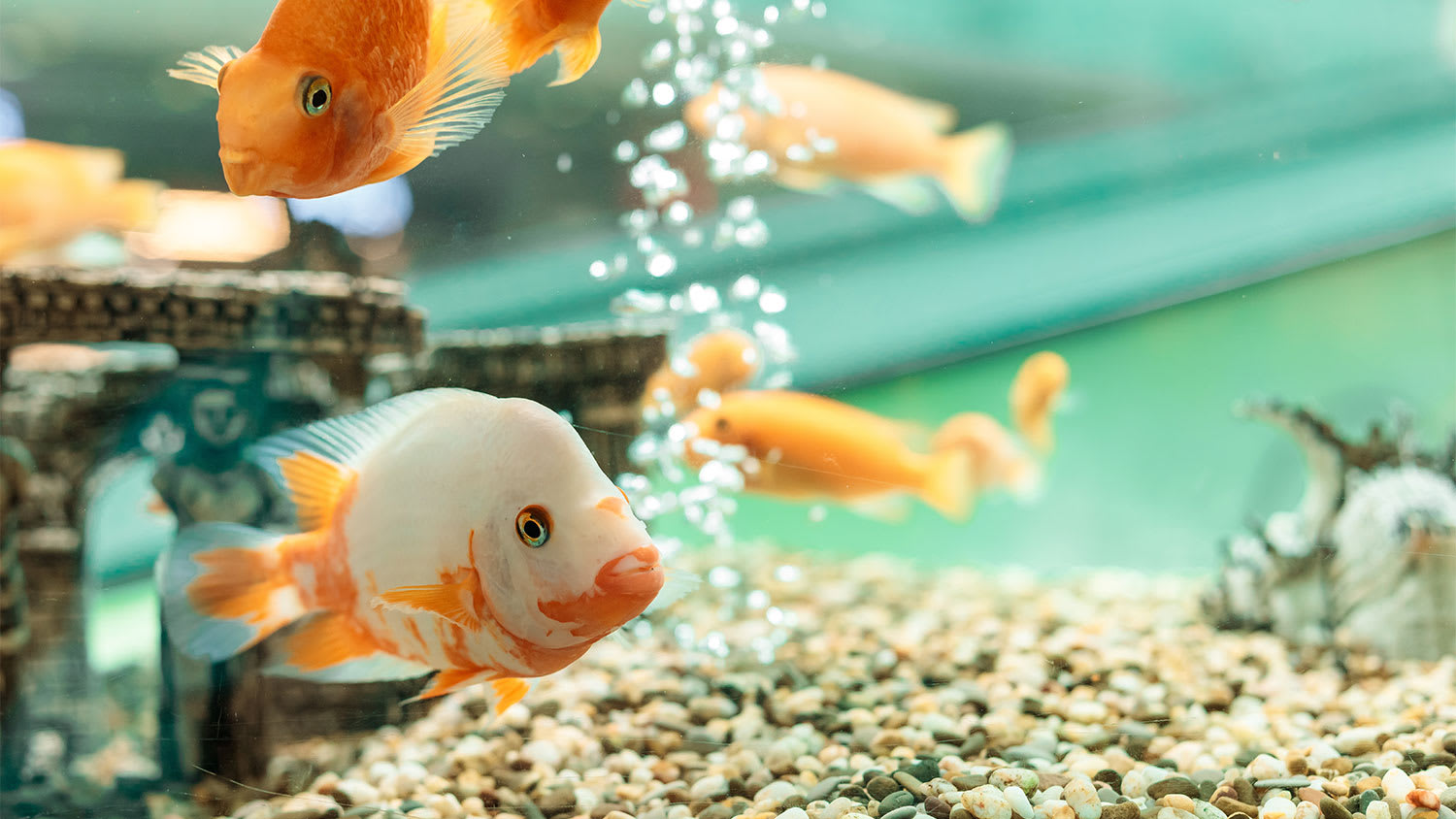
Moving an aquarium entails packing it securely, keeping your pets safe, and maintaining the balance of beneficial bacteria. Learn how to move a fish tank.