
"WOW! Groundworks is a great, reliable company! We had the dream team, Ryan, Alejando (Alex) and Jose, working on our home. Ryan kept us informed on what was going on the during the whole project. Ryan and Alex were so reassuring of all our fears and concerns, we knew we were in good hands. Alex and Jose were so polite and talk about hard working!! All three of them went above and beyond, exceeding our expectations, saving some landscaping we didn't expect to be saved. They took great care with our landscaping and yard and did not cause any unexpected damage to any of it! They did a great job with the clean-up at the end of the job as well. These three men worked great together as a team. We were happy to see them everyday and a little sad when we said good bye."
Concrete Mudjacking questions, answered by experts
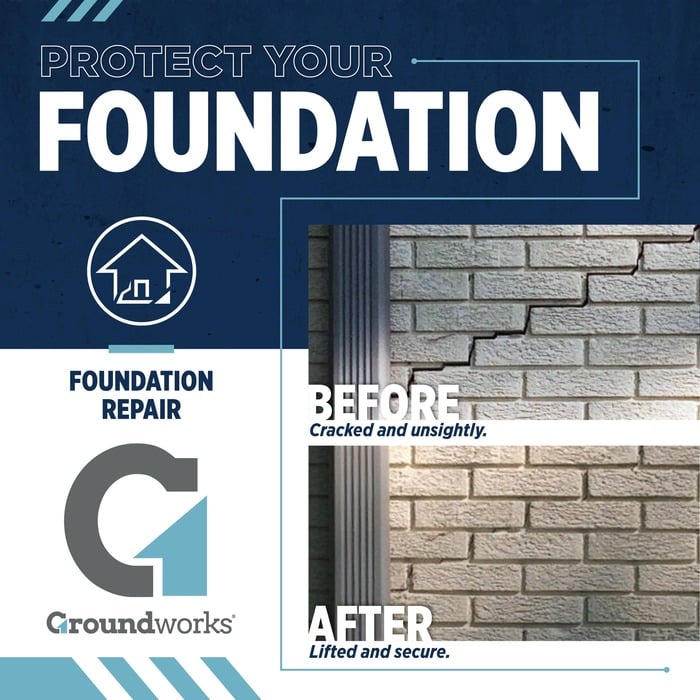
Mudjacking can be an expensive foundation repair process, but in many cases, it’s well worth the investment. This is especially true if you’re lifting a portion of sunken foundation slab back into place. In that case, mudjacking can help avoid major structural damage and even home collapse by restoring the integrity of your structure with minimally invasive procedures. Mudjacking a concrete patio, walkway, or sidewalk can be worthwhile because it removes tripping hazards and makes your outdoor area more aesthetically appealing.
Common issues with concrete that may require professional repair or resurfacing include cracks, spalling, uneven surfaces, and weather damage.
The polyurethane used for polyjacking will expand and cure in 15 to 30 minutes. After that point, your slab will be safe to walk on and even drive on in the case of a sidewalk or concrete driveway. Double-check with your concrete lifting specialist to confirm a curing timeline, as products can differ.
Most houses are expected to settle over time, but foundation sinking of more than a few inches or uneven sinking of more than an inch for every 20 feet is cause for concern. Any significant or uneven sinking should be assessed by a professional to determine the cause and perform any necessary repairs.
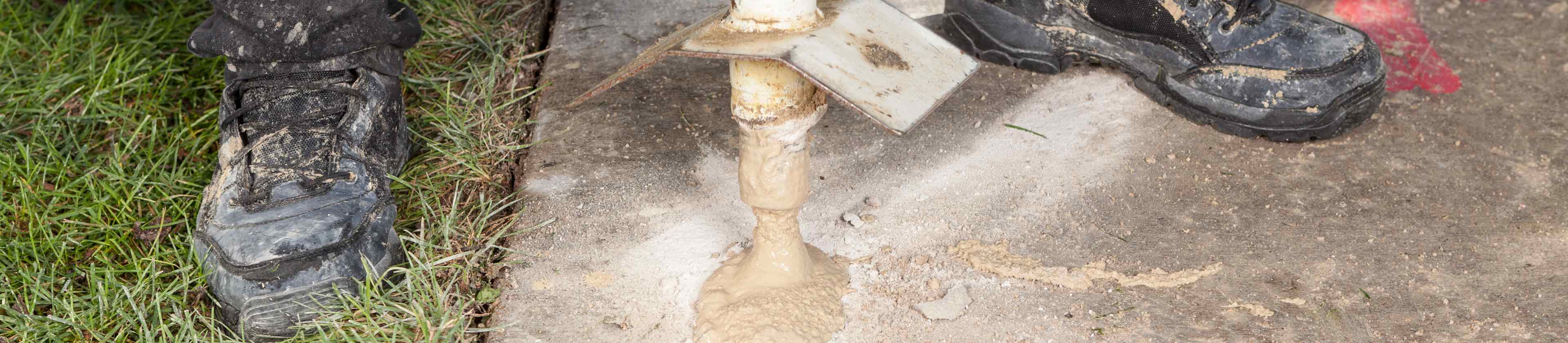
Yes, expanding foam (also known as polyurethane foam) can lift concrete. This approach, called polyjacking, involves injecting the foam rather than concrete slurry to fill voids and raise the concrete slab back into place. It’s often faster and requires smaller drill holes than traditional mudjacking, though it may come at a higher cost. Some contractors also prefer polyjacking over mudjacking for more damaged and delicate slabs.
The Busby, MT homeowners’ guide to concrete mudjacking services
From average costs to expert advice, get all the answers you need to get your job done.
DIY mudjacking is an advanced task, but learning how to raise a concrete slab is great to know for many scenarios. Let's take a look at how to DIY mudjack.
Sunken concrete can be a structural issue, but a professional can easily repair it. Ask these concrete injection leveling and mudjacking questions before you hire.