"WOW! Groundworks is a great, reliable company! We had the dream team, Ryan, Alejando (Alex) and Jose, working on our home. Ryan kept us informed on what was going on the during the whole project. Ryan and Alex were so reassuring of all our fears and concerns, we knew we were in good hands. Alex and Jose were so polite and talk about hard working!! All three of them went above and beyond, exceeding our expectations, saving some landscaping we didn't expect to be saved. They took great care with our landscaping and yard and did not cause any unexpected damage to any of it! They did a great job with the clean-up at the end of the job as well. These three men worked great together as a team. We were happy to see them everyday and a little sad when we said good bye."
We are a trustworthy, company with Integrity to doing what is right taking pride in the work we do wanting to give you the best creations you choose. \n\n~Lets create something solid together~
Concrete Mudjacking questions, answered by experts
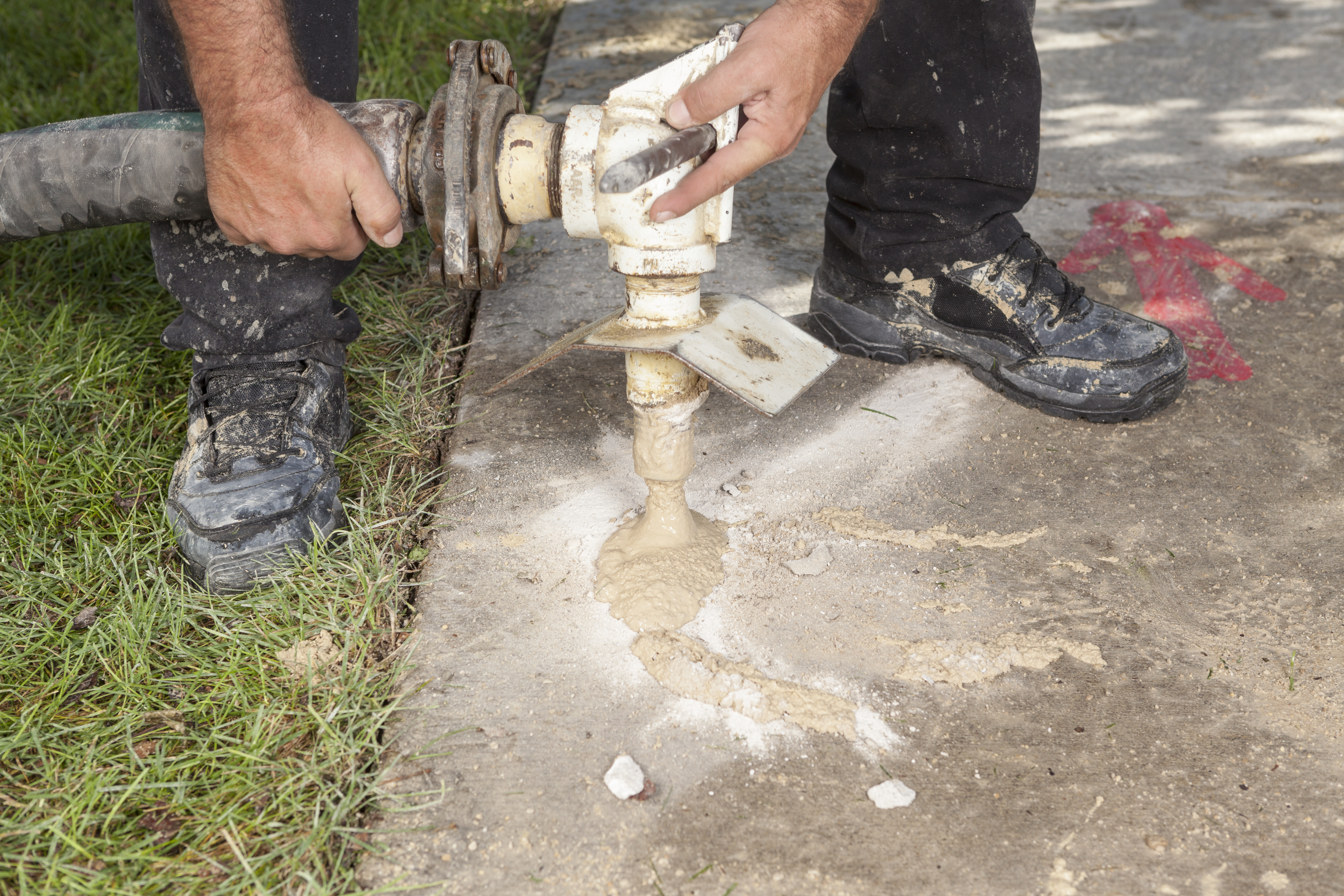
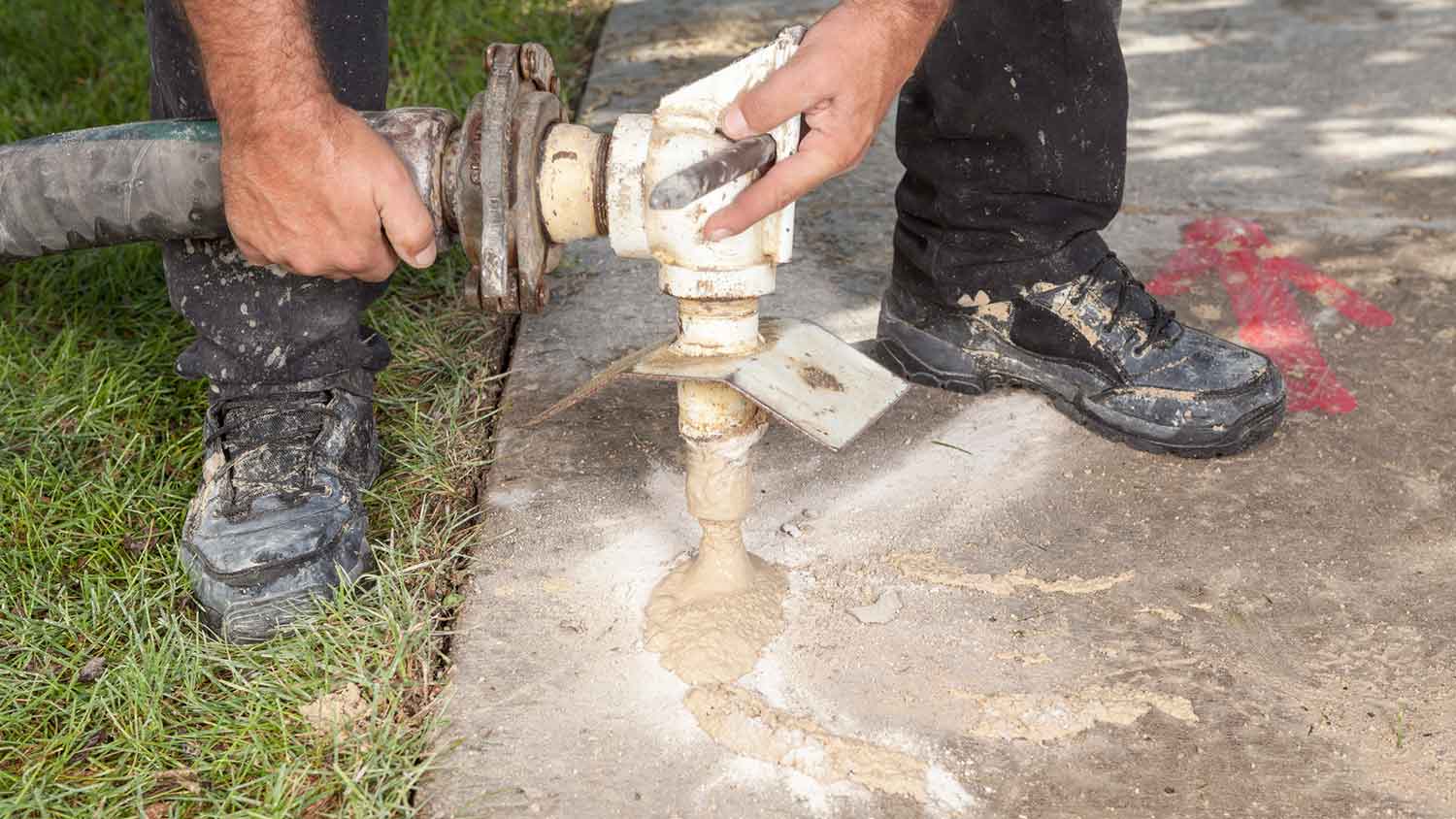
The method involves lifting settled concrete using pressurized cement slurry via drilled holes. This solves uneven surfaces and prevents further settling.
Mudjacking typically takes 24 to 72 hours (one to three days) to dry and cure completely before you can resume normal use. The exact time can vary depending on the size of the project. Because the slurry mixture contains cement, it must fully harden to ensure that added weight from walking, furniture, or vehicles won't shift the concrete slab. A professional contractor can advise you on when the surface is safe to use. For comparison, if you use polyjacking instead, the polyurethane foam can dry in just a few minutes, but it's best to wait about an hour before use.
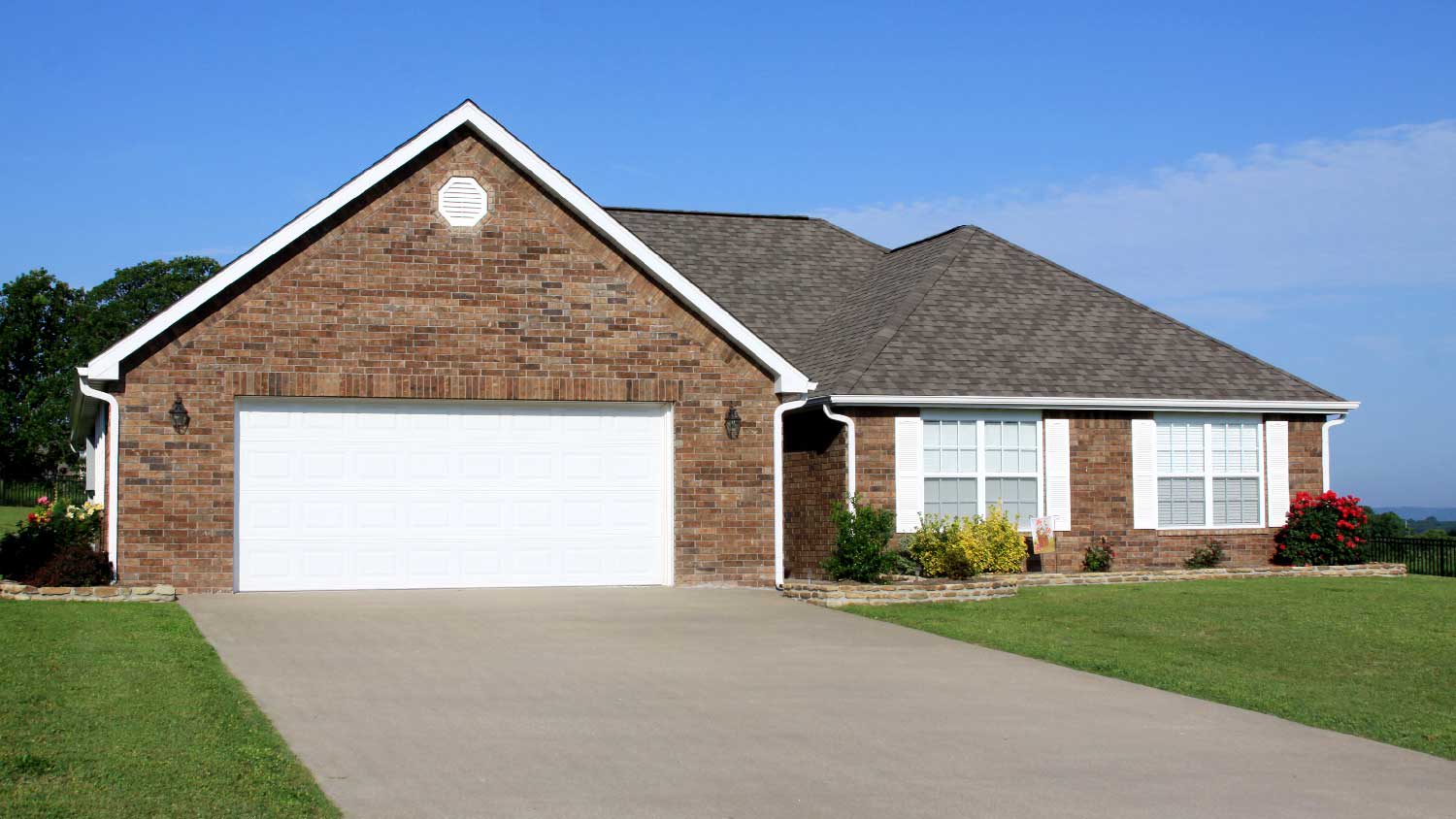
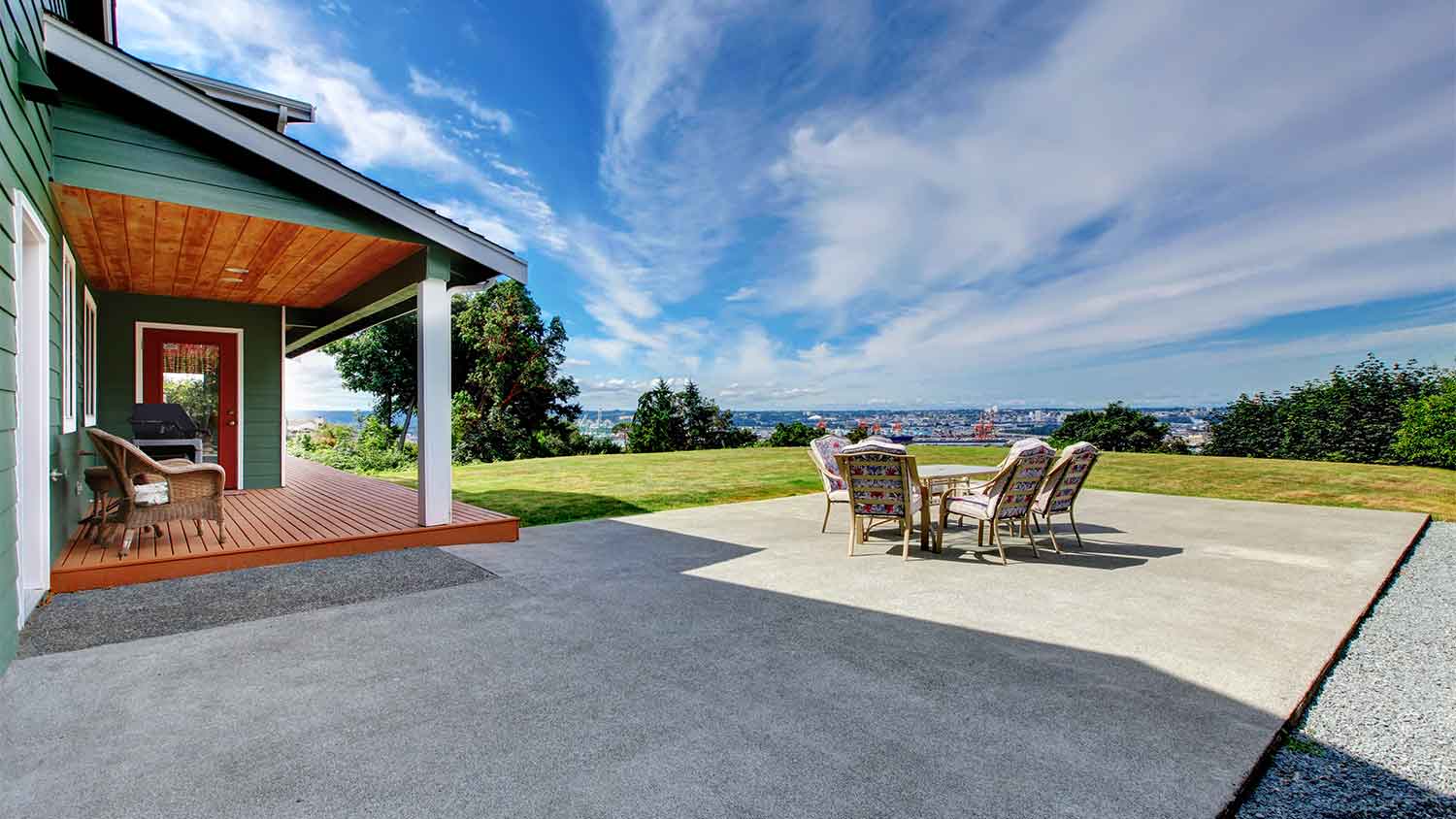
Mudjacking is usually reserved for light-duty slabs, like patios, driveways, and sidewalks. However, it can be an effective way to lift garage slabs and concrete around the perimeter of the home, which could harm your foundation if it’s not done properly. The risk of damage is why having a professional mudjacking company carry out the work is important. This type of slab or foundation repair is relatively inexpensive, especially if you consider that a DIY job requires that you pay to rent the necessary equipment.
Most projects take 1-3 hours, with immediate usability after completion.
Trenching and boring are two distinct methods for installing underground utilities. Trenching involves digging a channel using equipment like an excavator, trencher, backhoe, or shovel. While it is a simpler process, it causes significant disruption to the surface, landscaping, and surrounding ecosystems.
Boring, also known as directional boring, is a less invasive alternative that uses a drill to create a tunnel for utility lines without disturbing the surface. This method is more precise and is ideal for installations that need to go underneath buildings, roads, or bodies of water. Although boring is less disruptive, it is generally more expensive than trenching.
The Crow Agency, MT homeowners’ guide to concrete mudjacking services
From average costs to expert advice, get all the answers you need to get your job done.
DIY mudjacking is an advanced task, but learning how to raise a concrete slab is great to know for many scenarios. Let's take a look at how to DIY mudjack.