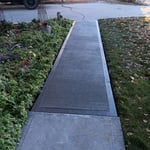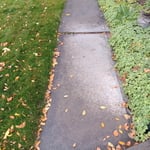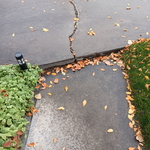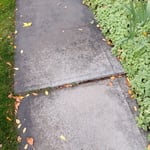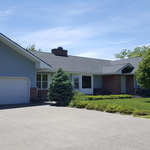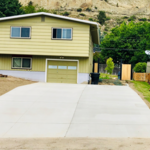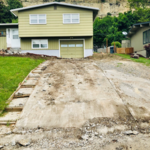





"WOW! Groundworks is a great, reliable company! We had the dream team, Ryan, Alejando (Alex) and Jose, working on our home. Ryan kept us informed on what was going on the during the whole project. Ryan and Alex were so reassuring of all our fears and concerns, we knew we were in good hands. Alex and Jose were so polite and talk about hard working!! All three of them went above and beyond, exceeding our expectations, saving some landscaping we didn't expect to be saved. They took great care with our landscaping and yard and did not cause any unexpected damage to any of it! They did a great job with the clean-up at the end of the job as well. These three men worked great together as a team. We were happy to see them everyday and a little sad when we said good bye."
Concrete Mudjacking questions, answered by experts
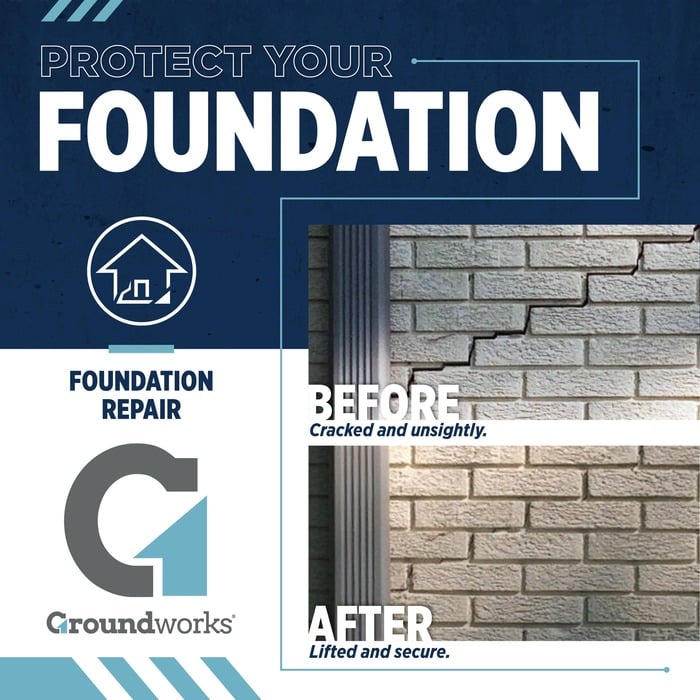
A sinking foundation can be lifted, most often by installing piers to re-level and support the weight of the house. Depending on the cause and extent of the sinking, other methods to lift a foundation include underpinning and mudjacking. Consult a foundation repair pro to determine the best way to lift your sinking foundation.
Polyjacking and mudjacking can both be effective solutions for sinking concrete, but they have key differences. Polyjacking, which uses expanding polyurethane foam, is often considered a better option because the foam is significantly lighter than the cementitious material used for mudjacking. This reduced weight puts less pressure on the underlying soil and lowers the risk of future sinking. Polyjacking is suitable for any sinking concrete slab, while mudjacking is typically only recommended for non-structural concrete, such as sidewalks, patios, pool decks, and driveways. The primary drawback of polyjacking is its cost, which can be up to four times higher than mudjacking—as much as $25 per square foot compared to a maximum of about $6 per square foot for mudjacking.
Mudjacking is your best bet for leveling concrete on a tighter budget. It’s less expensive than foam or grout mixture. For smaller, surface-level issues, you could also use a self-leveling compound, which creates an even surface over existing concrete—it’s a budget-friendly option suitable for DIY enthusiasts.
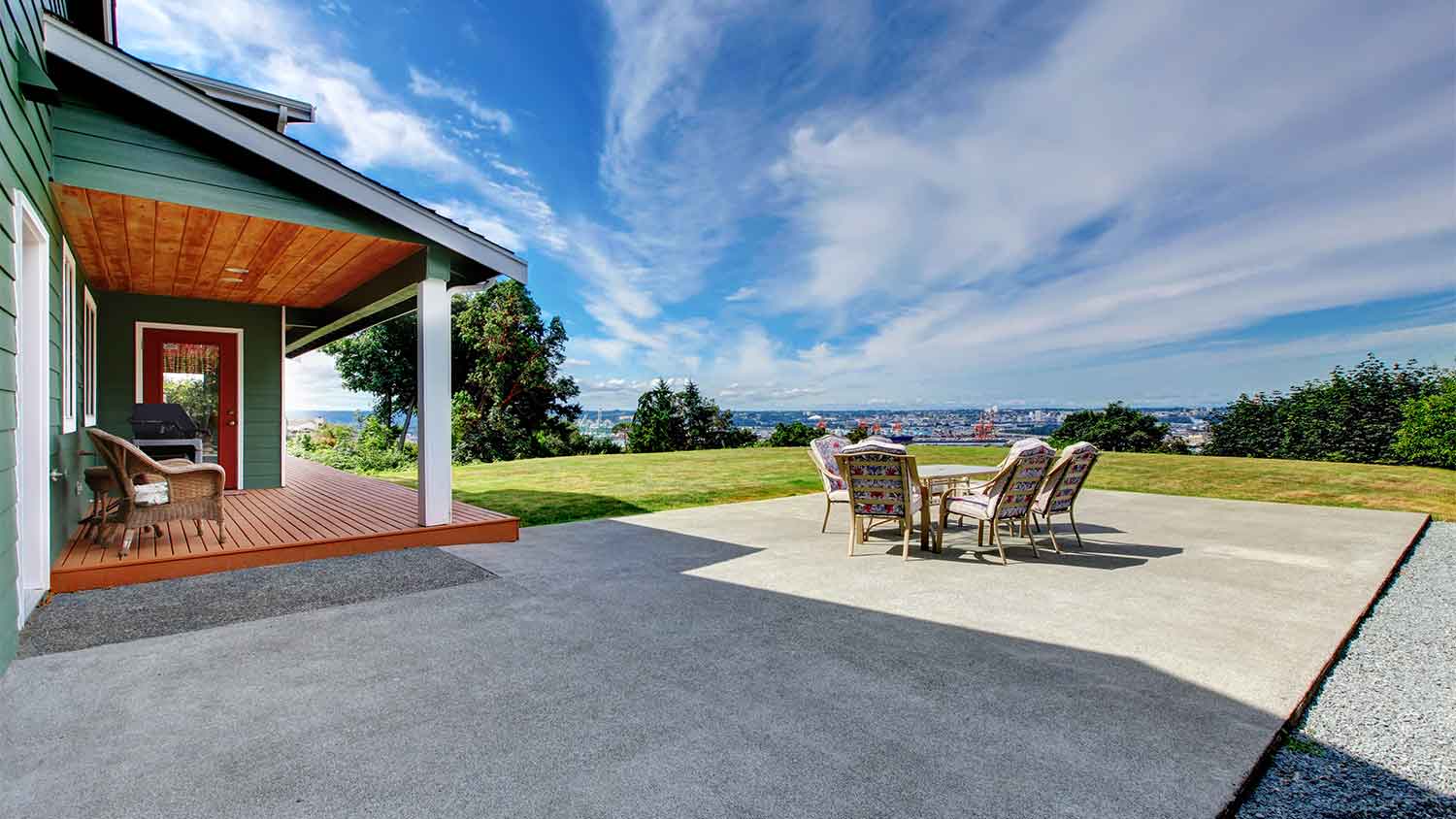
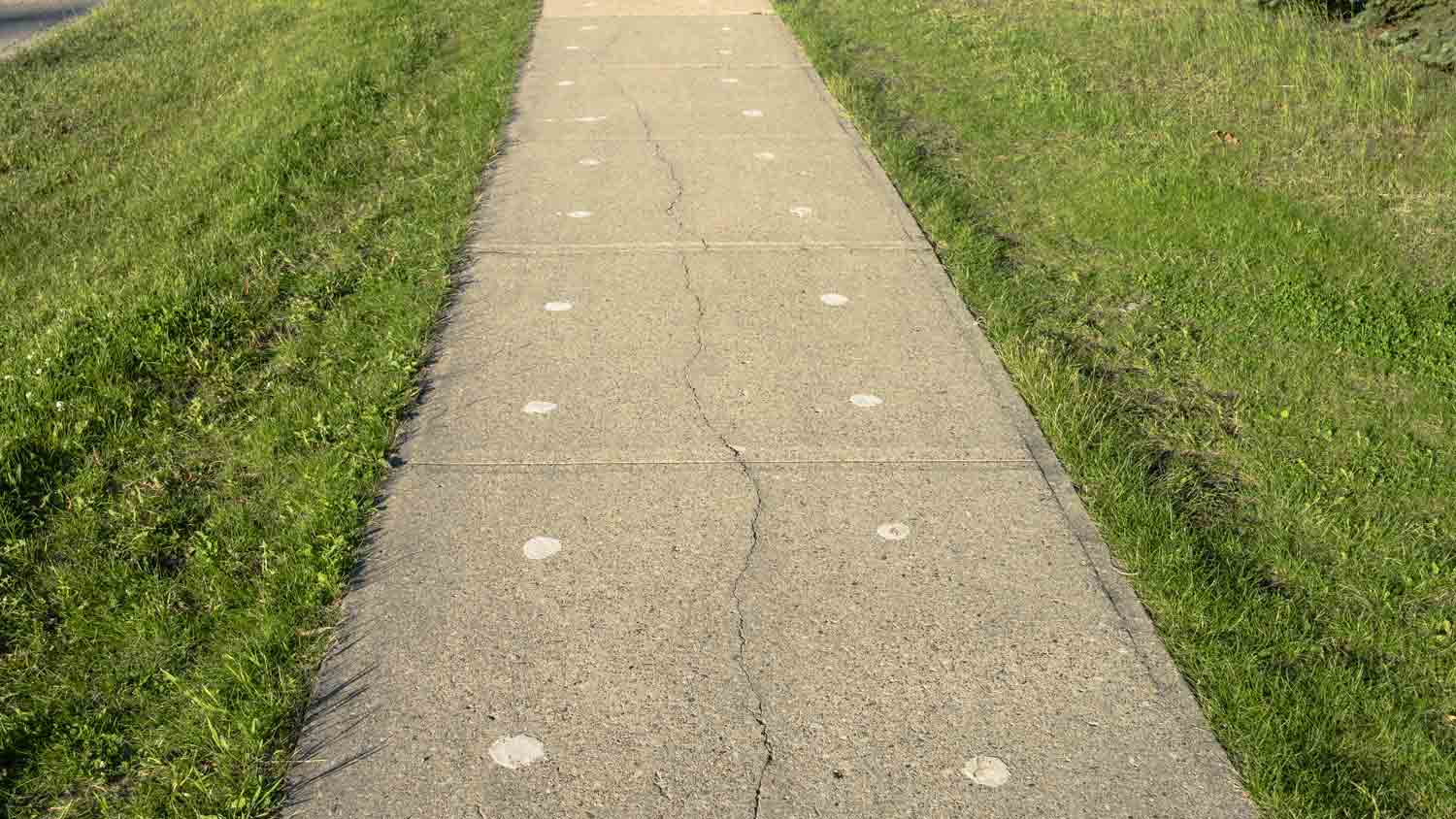
Pros often use mudjacking or polyurethane foam injection to level a sunken concrete patio. Both methods lift the slab by filling voids beneath it. After properly compacting the soil beneath it to prevent future settling, the concrete may need to be removed and re-poured for severe sinking.
Concrete leveling is absolutely worth it if you have sunken concrete slabs and want to restore them to level, especially if the slab is part of your home foundation. Concrete leveling is less than half the price of replacing concrete sidewalks, patios, walkways, and pool decks, and it’s about a quarter of the cost of replacing a foundation. If you also treat the underlying problem, it can be a worthwhile and permanent solution.
The Lovell, WY homeowners’ guide to concrete mudjacking services
From average costs to expert advice, get all the answers you need to get your job done.
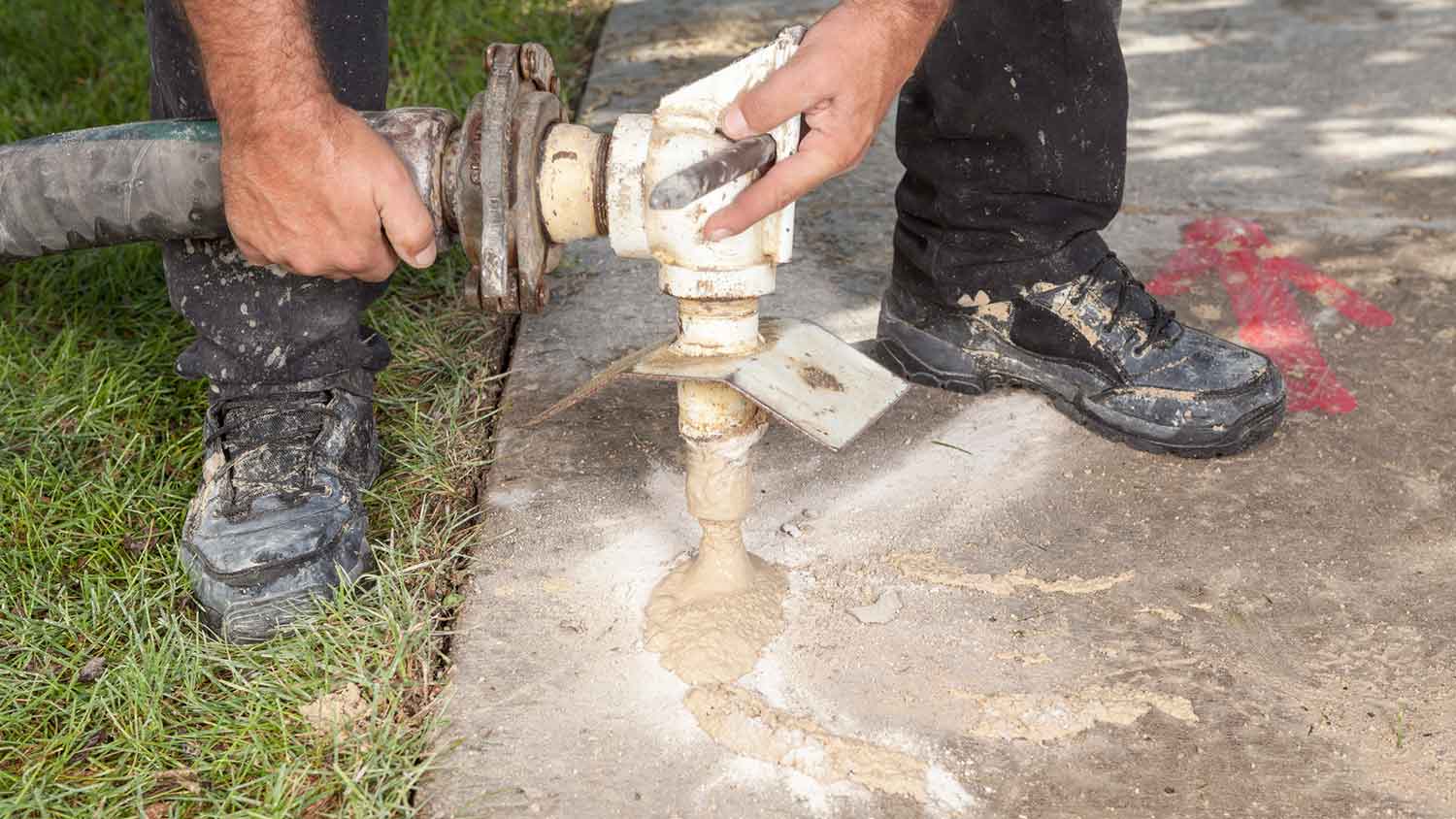
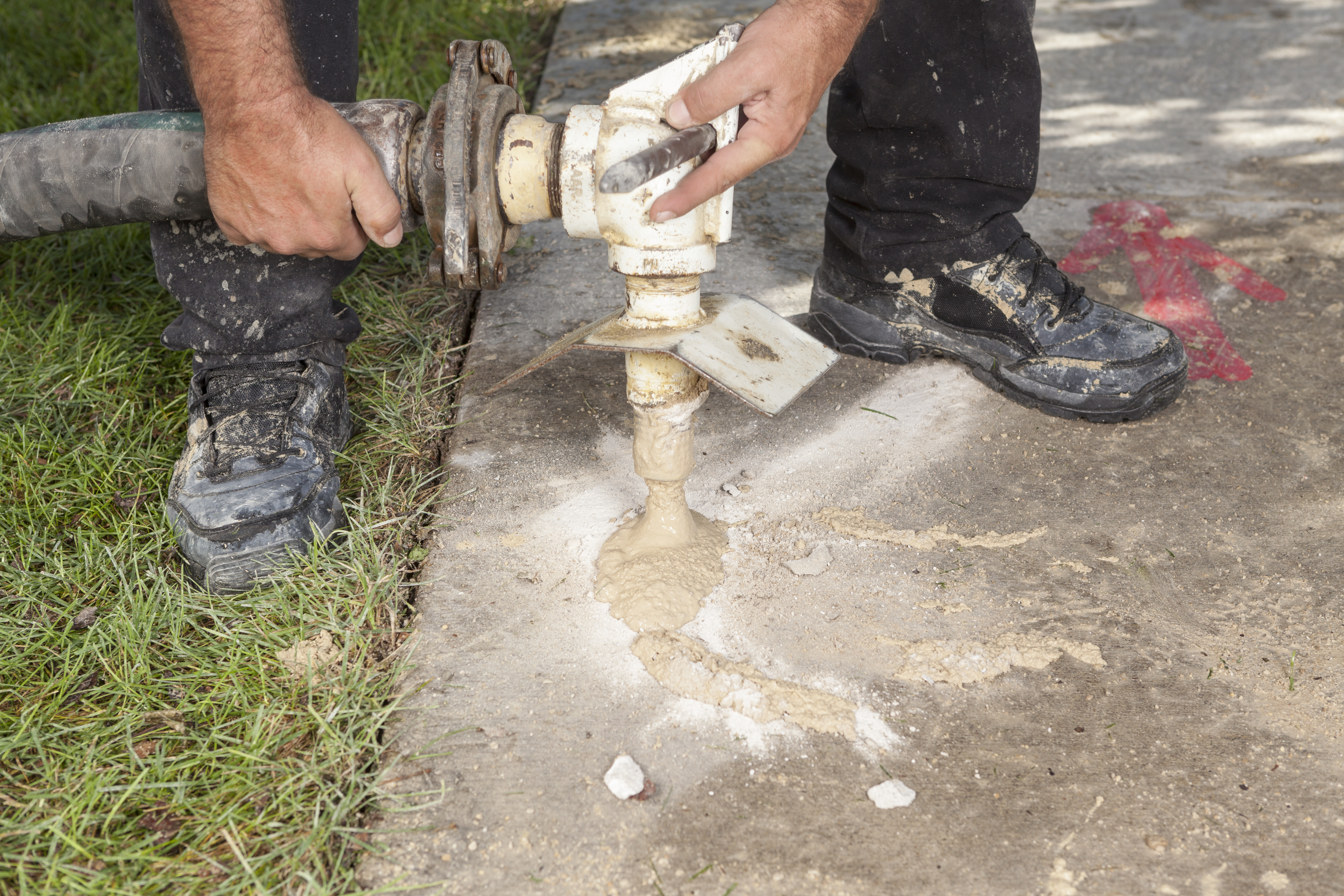
DIY mudjacking is an advanced task, but learning how to raise a concrete slab is great to know for many scenarios. Let's take a look at how to DIY mudjack.