"He was able to quickly diagnose that the water leak from the water heater was a result of a ruptured tank, resulting in the need to replace the entire water heater."
Planetary Systems has been designing and installing renewable energy systems since 1994, and has over 1600 operational systems from .5kw to 22kw, worldwide. We have always been and remain committed to tested and reliable, yet cutting edge technologies to advance local power generation capabilities. We firmly believe all electrical power should be locally generated and using as much energy as practically feasible from wind, solar, hydro-electric and other renewable sources. \n Planetary Systems offers our own battery technology, integrated power solutions, and the best available products available in the world marketplace.\n\nOur offerings are based on value-added products, not bargain basement prices, and include complete testing, design and integration of systems plus expert technical assistance.
We believe setting the correct expectations. Being a 'nuts and bolts' company we don't maintain a store front. We would rather pass the financial savings on to you, giving our undivided attention.\n
If you dream it, we can build it. What's the biggest difference between us and them? We build to last! We offer a full line of Green and Energy Star Certified products, backed by our labor and manufacturer's lifetime transferable warranties. Credit Cards Welcome Financing Available OAC.
No state requires you to vent an electric water heater. Other installation requirements for water heaters will vary, though, depending on the state and local jurisdiction in which you live. Some places require permits, while others don’t. Some may force you to place the appliance a certain distance from any walls or other appliances, while others don't. When you find a local professional to install a water heater, this expert will ensure you follow all the local regulations.
If you want instant hot water and to reduce water waste while improving convenience, a hot water recirculating system is worth it, especially if you find your hot water heater is not hot enough. These systems can save thousands of gallons of water each year so you don't have to wait for hot water at faucets and showers. The upfront investment can be high, especially for systems requiring additional plumbing, but the long-term savings on water bills and added comfort make them a worthwhile upgrade.
Unless you have previous plumbing experience or extensive experience with water heaters, you should avoid replacing your electric water heater yourself. This process involves disconnecting wiring and parts from the old water heater and reinstalling them onto the new one, among other difficult tasks. This job is best left to the pros to make sure that everything is connected correctly to avoid serious leaks or malfunctions.
Every city and state will have its own set of installation codes and laws. Some won’t require you to obtain a permit before replacing your water heater, though we recommend you do, regardless of the local codes. On the other hand, some cities and states might require secondary permits for plumbing and electrical work related to the installation. Check with a local water heater installation company and local building codes to confirm which permits are required and what the specific laws are.
Tankless water heaters are more expensive than those with a storage tank, but they come with some impressive benefits that most homeowners find worth the higher investment. Most importantly, they provide unlimited hot water, so you’ll never run out like you would with a storage tank. Tankless heaters are also more efficient, so comparing gallon-for-gallon, you’ll spend less on hot water with a tankless heater. Tankless water heaters are also smaller, require less maintenance, and tend to last longer than storage tank water heaters.
The Broadus, MT homeowners’ guide to water heater services
From average costs to expert advice, get all the answers you need to get your job done.
A water heater flush costs $160 on average but can vary based on the unit size, type, labor, location, and more. Keep reading to learn how much you could pay.
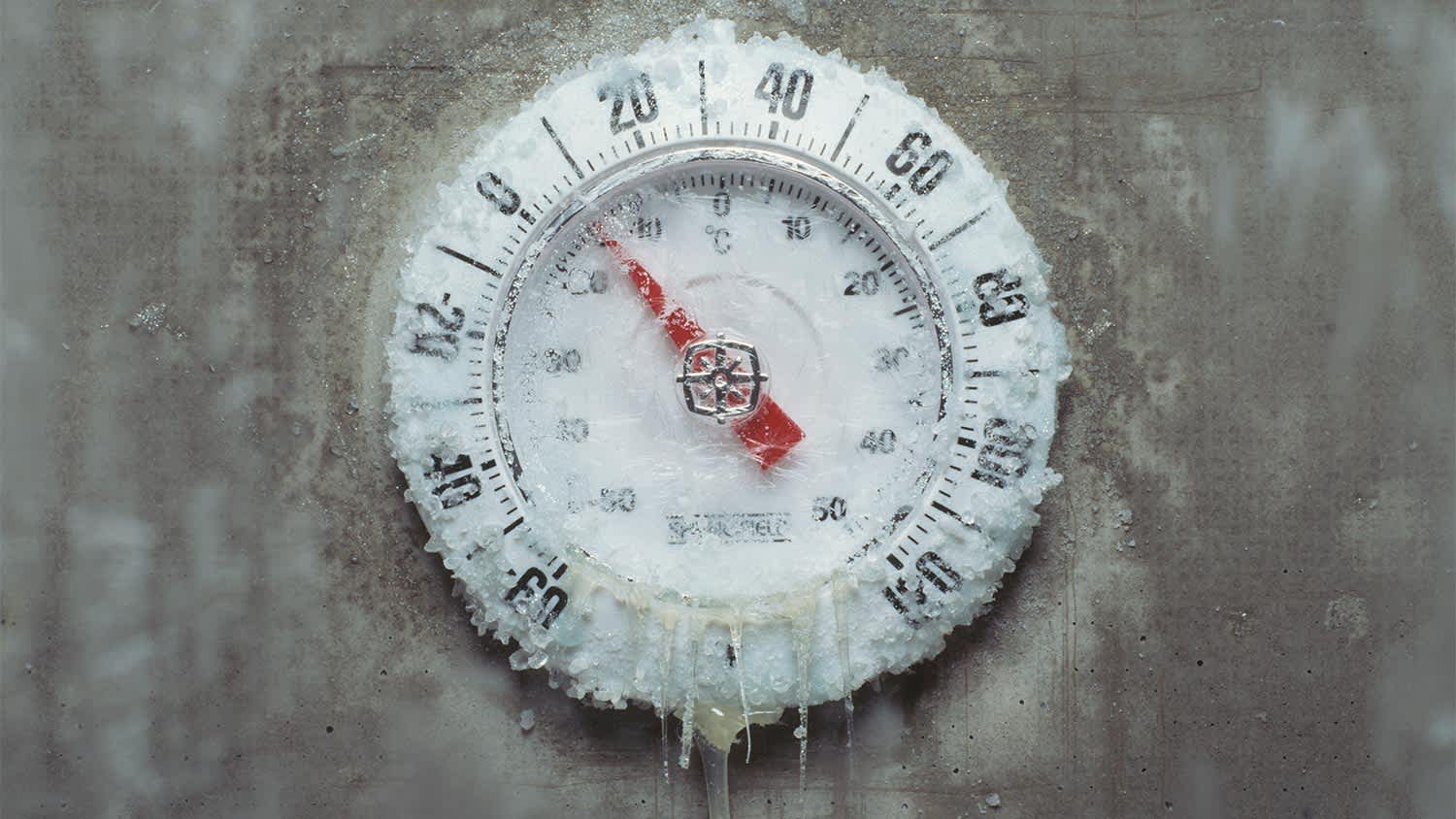
Worried your water heater might freeze this winter? Learn to spot the warning signs and how to safely thaw your tank or tankless system out if necessary.
Hybrid water heaters will have you weighing high initial costs versus long-term savings. Is it the right option for you? Explore the pros and cons of hybrid water heaters.
The average lifespan of water heaters is 6 to 15 years for conventional models and up to 20 for tankless ones, but it can be less if they are not properly maintained.