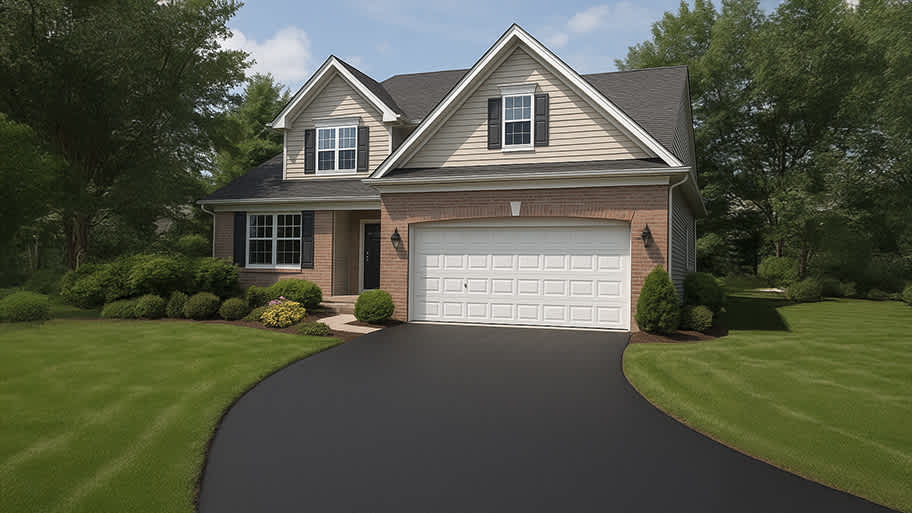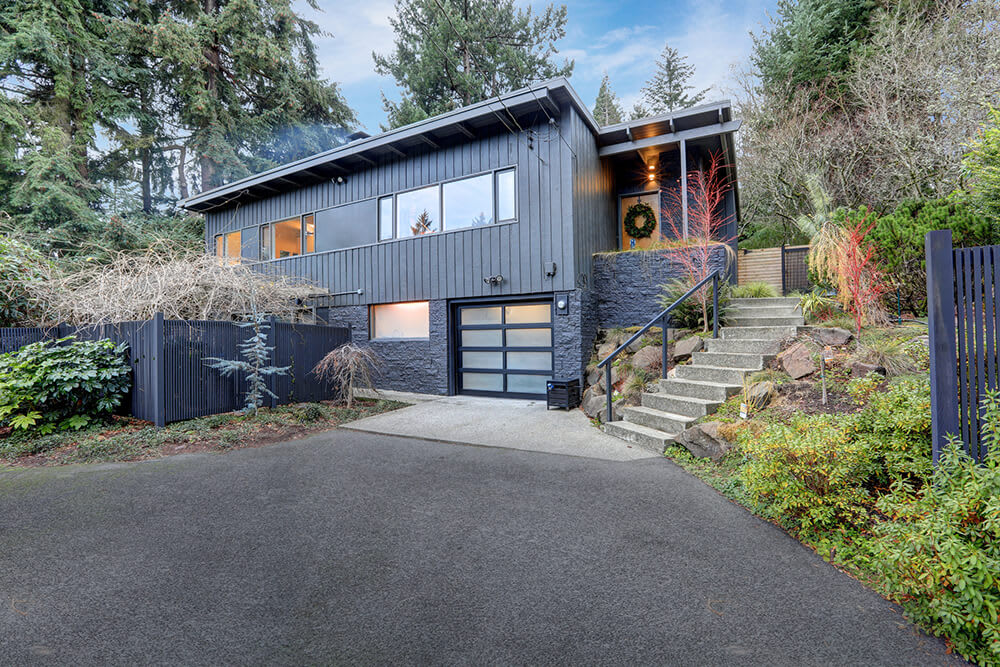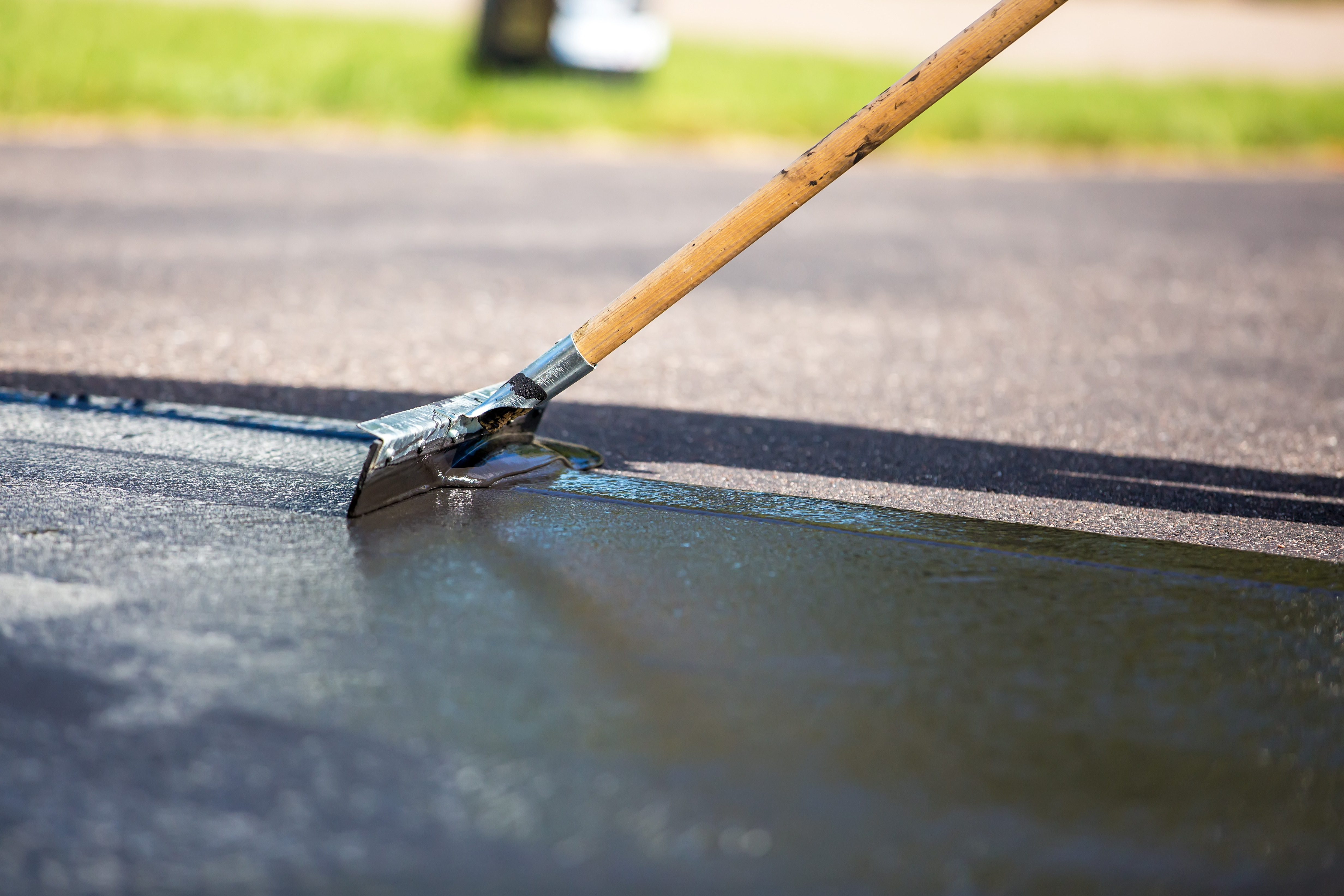


"John and sons completed our asphalt driveway repairs and sealcoating in about two hours. Looks great. John initially contacted us the same day I requested service through Angi. He was responsive throughout the process and we're happy to have worked with him."
"Lane and his team were great to work with. After a quick site inspection of my driveway, I received a competitive quote for crack repair and seal coating, next day. Thunderstorms caused the cancellation of our initial work day, but Lane quickly got me back on the schedule. My driveway was a year or two overdue for repair, but LB Asphalt & Construction has it looking new again. I?ll be calling Lane for future work without hesitation."
Plastering and Masonry services done with integrity since 2000. I have been in the trades for most my life and know what works and what doesn't! I pride myself on the quality work I provide, while delivering great customer service.\nPlease see some of the services I offer below and call -or- click to schedule an estimate today!\n
Driveway Sealcoating questions, answered by experts
You should contact your driveway installer before winterizing a newly installed driveway. Winterizing it before the asphalt or concrete has fully cured can damage the driveway. But in many cases, you don't need to winterize a newly installed driveway anyway since it's likely freshly sealed and won't have much damage yet.
It is not recommended to seal brand-new asphalt immediately. You should wait at least three months after installation to allow the asphalt time to cure properly. Applying a seal coat too soon can trap the asphalt's oils and chemicals, preventing it from fully hardening. This can result in a weaker surface that is more susceptible to damage. After the three-month curing period, sealing the asphalt is beneficial as it can extend its lifespan by protecting it from water, UV rays, and other damaging elements.
Asphalt is made of aggregate materials (sand, rocks, and gravel) and bitumen, a viscous, petroleum-based, waterproof substance. These materials are mixed together at extremely high temperatures to form asphalt.
By using quality sealants and ensuring precise alignment during installation.
No. You cannot use asphalt products on concrete driveways. To seal a concrete driveway, use acrylic, epoxy, polyurethane, silane, siloxane, and silicate sealers or deep penetration sealers made specifically for concrete. Meanwhile, asphalt sealers contain refined coal tar (asphalt emulsion), water, sand, clay, polymers, and additives and are incompatible with concrete’s surface texture and higher density.
The Boulder, MT homeowners’ guide to driveway sealcoating
From average costs to expert advice, get all the answers you need to get your job done.
Driveway extensions can provide valuable parking and recreation space and add to the value of your home on resale. Find out how much driveway extensions cost.
Learn how to find a top-rated asphalt driveway sealing pro by checking credentials and asking the right questions to ensure your pavement is protected.