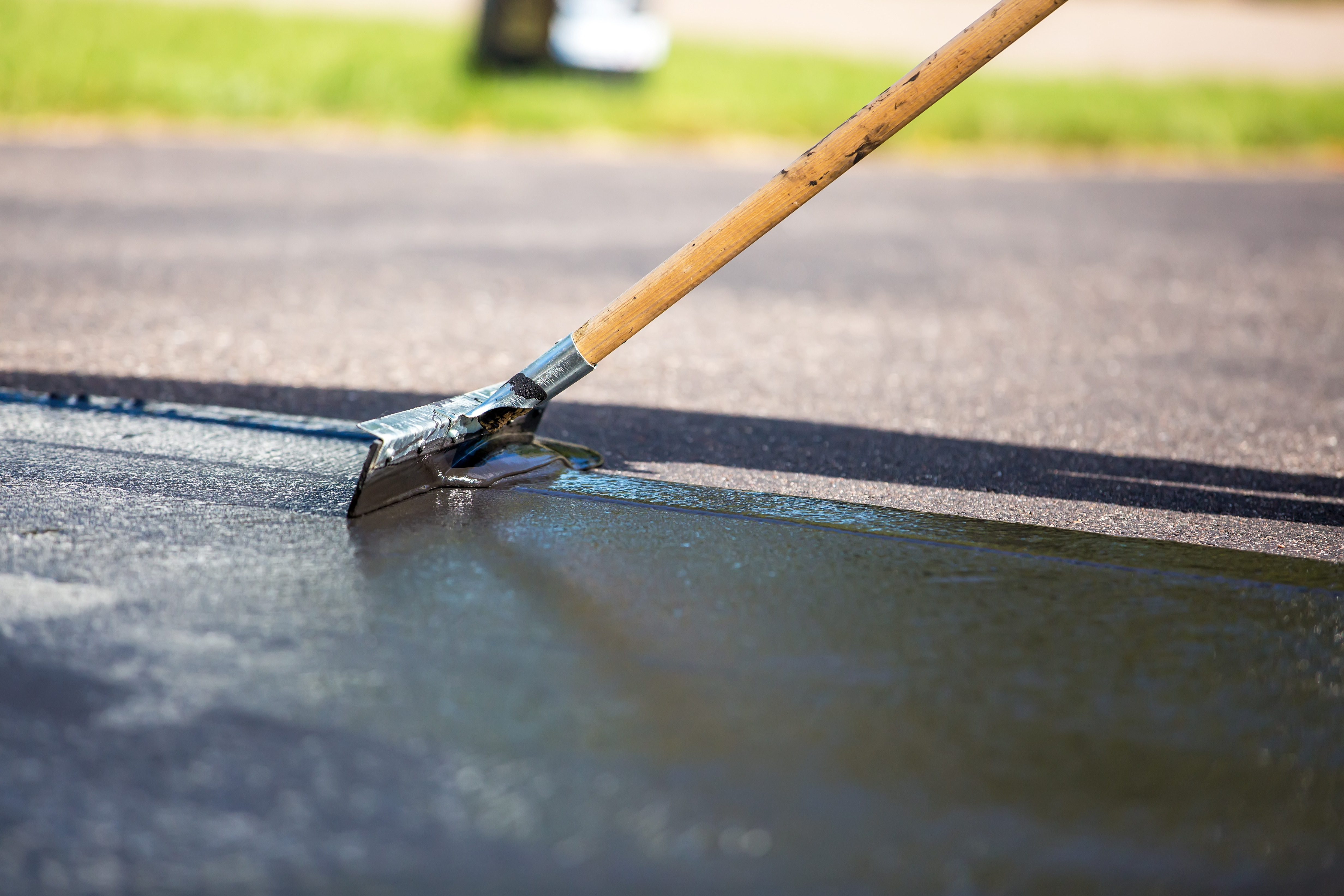






Top-rated driveway sealcoating pros.

Get matched with top driveway sealcoating pros in Dillon, MT

Enter your zip and get matched with up to 5 pros

Need a pro for your driveway sealcoating project in Dillon, MT?

Select your specific project to find the pro for you.

Find Driveway sealcoating pros in Dillon

Avatar for Integrity Plastering and Masonry
Integrity Plastering and Masonry
New to Angi
Asphalt SealingAsphalt Sealing- For Business

Serving Dillon, MT and surrounding areas

In business since 2024

Free estimates

Emergency services offered

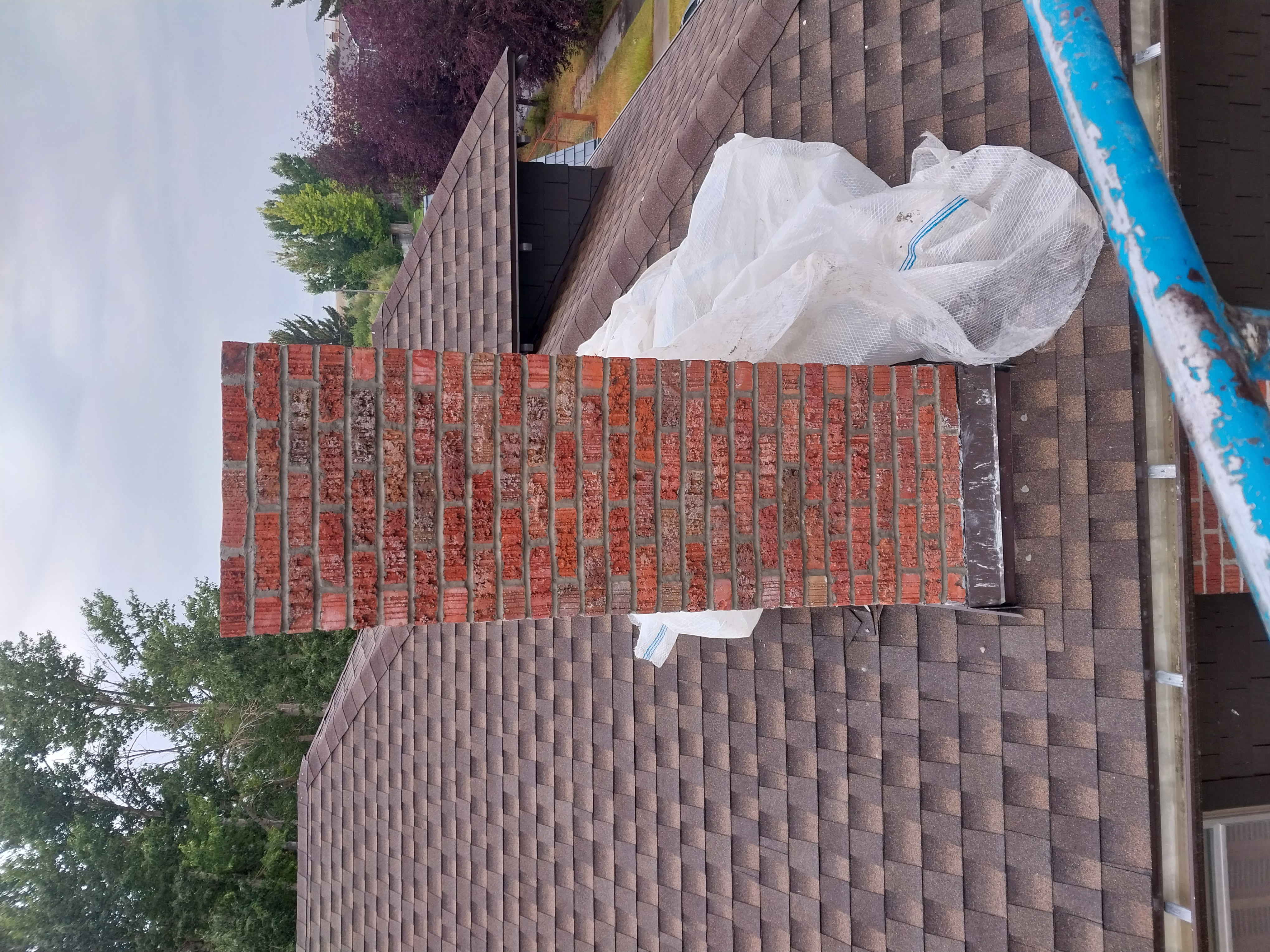
Plastering and Masonry services done with integrity since 2000. I have been in the trades for most my life and know what works and what doesn't! I pride myself on the quality work I provide, while delivering great customer service.\nPlease see some of the services I offer below and call -or- click to schedule an estimate today!\n

Front gable
Driveway Sealcoating questions, answered by experts

Depending on the product used, you should avoid using your driveway for 48 to 72 hours after sealing it. In general, water-based driveway sealers cure much faster compared to oil-based and solvent-based sealers. Some driveways are even ready in just four to five hours.

Many services include sealing as part of the repair process. Confirm with your contractor.

Though they may look similar, tar and bitumen come from different sources. Bitumen is a petroleum product—extracted during crude oil refining—and is mostly made up of hydrocarbons. Tar comes from burning down organic materials like coal or wood. Bitumen is strictly oil-based, while tar is a mix of compounds from natural sources. Both are used as binders in paving; however, bitumen is the standard for today’s asphalt. Tar use has mostly faded out of road construction.

When comparing installation costs, asphalt is often less expensive upfront than concrete. Asphalt prices typically range from $7 to $15 per square foot, while concrete can range from $3 to $18 per square foot. However, long-term costs should also be considered. Concrete driveways generally last longer (up to twice as long) and require less maintenance, which can make them more affordable over their lifespan. While asphalt has a lower installation cost and is easier to repair, it requires more frequent maintenance, such as sealing, which can add up over time. Therefore, while concrete is more expensive initially, its durability may offset the cost in the long run.

New asphalt typically needs 24 to 72 hours to dry before it can handle light foot traffic and careful driving. Although it may appear solid after a few days, the full curing process, where the asphalt reaches its peak strength, takes much longer—generally from 30 days to a year.

During this extended curing time, the surface remains relatively soft and can be damaged by heavy vehicles, sharp objects, or high temperatures. To protect your investment, it's best to avoid parking heavy machinery on the asphalt until it has fully cured.

The exact time required for drying and curing depends on several factors, including the weather, the specific asphalt mix, and its thickness. For the most accurate advice tailored to your situation, consult with your asphalt contractor.

The Dillon, MT homeowners’ guide to driveway sealcoating

From average costs to expert advice, get all the answers you need to get your job done.