



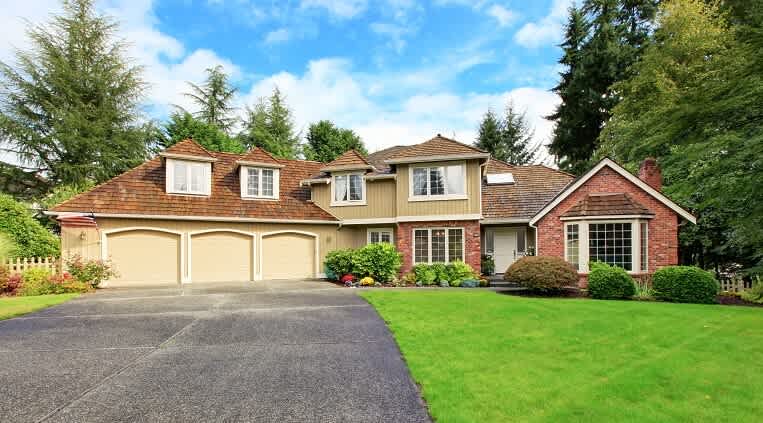
Top-rated driveway sealcoating pros.

Get matched with top driveway sealcoating pros in Black Eagle, MT

Enter your zip and get matched with up to 5 pros

Need a pro for your driveway sealcoating project in Black Eagle, MT?

Select your specific project to find the pro for you.

Find Driveway sealcoating pros in Black Eagle

No results for Driveway sealcoating pro in

Try adjusting your search criteria.
Driveway Sealcoating questions, answered by experts

If the goal is to reduce your lifetime asphalt driveway repair cost, driveway sealers with oil bases tend to last longer because their composition allows them to penetrate deeper into your driveway's asphalt. This provides deeper, longer-lasting protection compared to water-based products that tend to simply sit on the surface of the asphalt. Knowing that you won't have to redo your driveway as often could leave more room in your budget to cover something like the cost of a heated driveway.

No. You cannot use asphalt products on concrete driveways. To seal a concrete driveway, use acrylic, epoxy, polyurethane, silane, siloxane, and silicate sealers or deep penetration sealers made specifically for concrete. Meanwhile, asphalt sealers contain refined coal tar (asphalt emulsion), water, sand, clay, polymers, and additives and are incompatible with concrete’s surface texture and higher density.

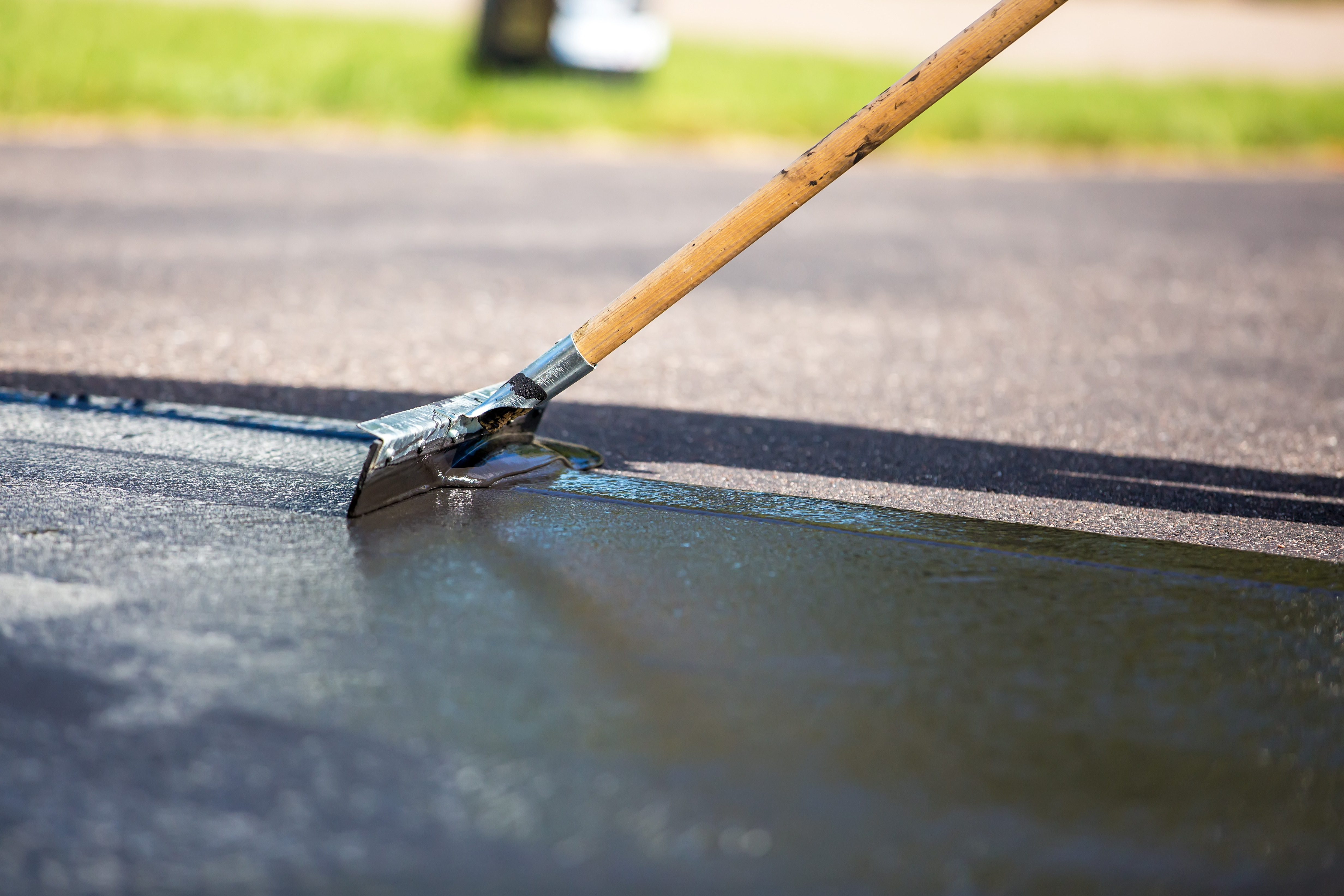
If you don’t want to seal the entire driveway using a squeegee, you can use a roller instead. Rolling the driveway sealer also provides an even, sufficient coating, although it might require more skills to control the speed and pressure. We don’t recommend spraying the driveway sealer because it would cause more splash, hence wasting more material. If anything, you may spray the sealant and go over the surface again with a squeegee to ensure proper coating.

Asphalt is made of aggregate materials (sand, rocks, and gravel) and bitumen, a viscous, petroleum-based, waterproof substance. These materials are mixed together at extremely high temperatures to form asphalt.

New asphalt goes through two stages: drying and curing. Drying typically takes 24 to 72 hours, after which the surface is solid enough for light use like walking or careful driving. While you may be able to park on it after 72 hours, the surface is still soft and should be treated gently. Full curing is a much longer process, taking anywhere from 30 days to a full year for the asphalt to reach maximum strength. During this extended curing period, the asphalt is susceptible to damage from heavy vehicles, sharp objects, and high temperatures. Factors like weather, the specific asphalt mix, and application thickness all influence drying and curing times. For the most accurate timeline and to ensure the longevity of your new asphalt, it is always best to consult with your installation contractor for their specific recommendations.

The Black Eagle, MT homeowners’ guide to driveway sealcoating

From average costs to expert advice, get all the answers you need to get your job done.