






Top-rated basement waterproofing pros.

Get matched with top basement waterproofing pros in Beechwood, MS

Enter your zip and get matched with up to 5 pros

Need a pro for your basement waterproofing project in Beechwood, MS?

Select your specific project to find the pro for you.

Find Basement waterproofing pros in Beechwood

Showing 1-10 of 16
Basement Waterproofing questions, answered by experts

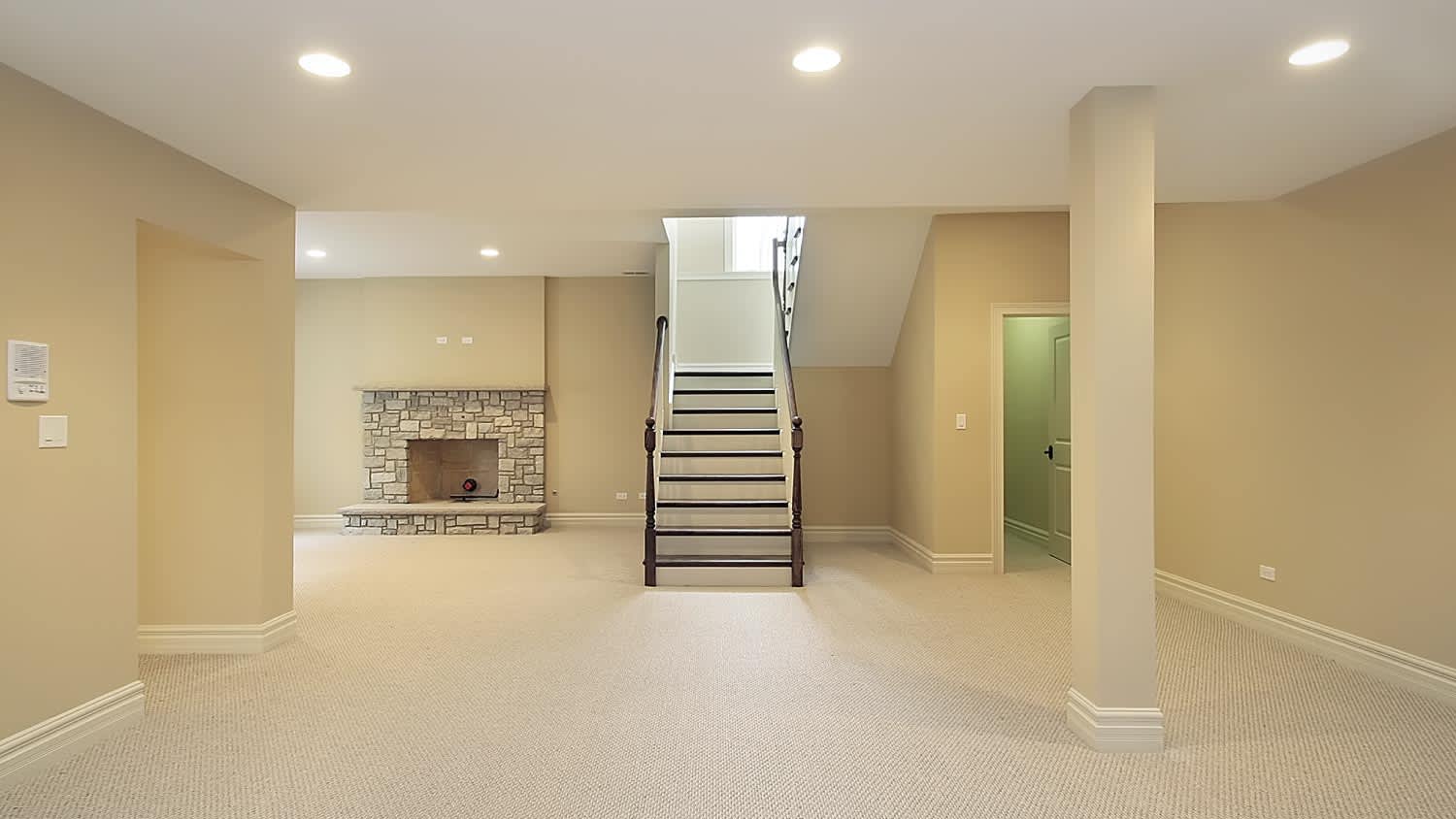
Living in a finished basement is acceptable, but only if the space has the proper points of egress and includes smoke and carbon monoxide (CO) detectors to ensure the safety of the occupants. A good way to ensure your finished basement is suitable for use as living space is to get the basement finishing project properly permitted.

No, your basement dehumidifier doesn’t need to be on 24/7. While it’s an excellent tool for tackling damp, musty air, especially in humid seasons, leaving it running nonstop can backfire. Over-drying the space can mess with your sinuses, warp wood, and even crack certain materials. Instead, only use your humidifier when moisture levels rise above 50%, and then give it a break when the humidity levels drop.

It’s not the number of weep holes that should be of concern to builders but rather their spacing. Weep holes are usually spaced anywhere between 16 inches on center when using round tubes or wicking materials and 24 inches on center when using open-head joints. This is a more conservative spacing than the 33-inch maximum spacing on center that’s mentioned in the International Residential Code. All in all, the total number of weep holes a brick exterior should have will depend on the size of the structure.

If you decide to fill the space around your home’s foundation with landscaping materials, it’s important to consider the aesthetic as well as technical factors like drainage and protection from pests and the elements. Materials such as gravel, rubber mulch, concrete, and brick masonry are all good options.

Topical sealers adhere to the surface of concrete to create a protective layer. In many cases, this is all you need for concrete that sees light to moderate traffic, such as your basement. Penetrating sealers, on the other hand, bond with the free lime in the top layer of concrete to form calcium silicate, which prevents liquid from passing through. This type of sealer protects the surface from water, oil, and gasoline spills.
The Beechwood, MS homeowners’ guide to basement waterproofing services

From average costs to expert advice, get all the answers you need to get your job done.